
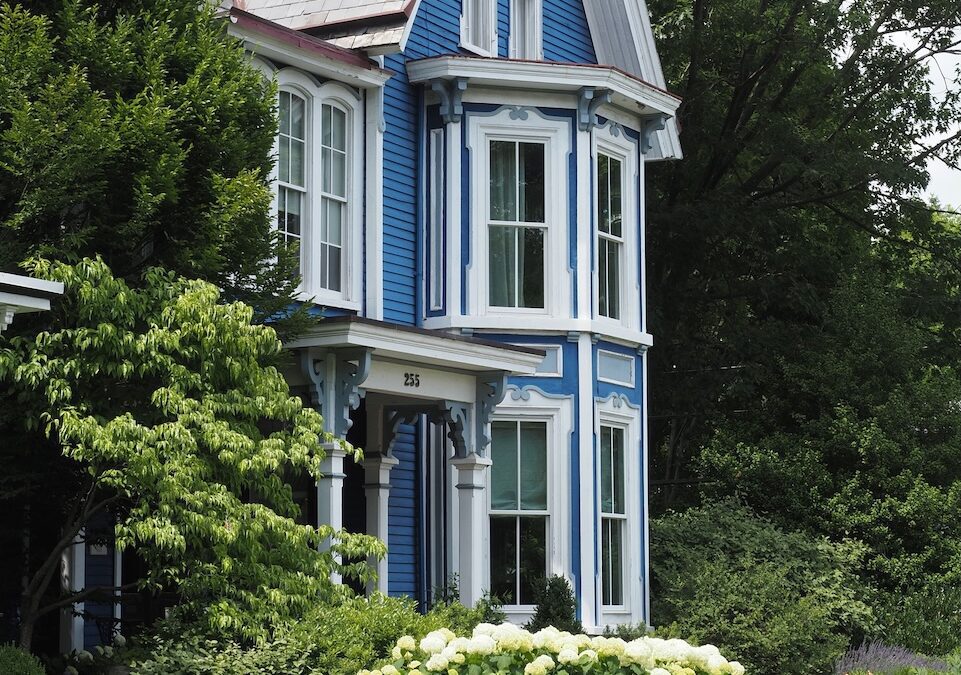
If you’re comparing bay vs. bow windows, you’re probably looking for more than a simple style upgrade.
Both options can bring in more natural light, create additional interior space, and give your home’s exterior a distinctive look. However, bay and bow windows have important differences in their design, projection, number of panes, and overall appearance.
At SHS Pros, we help homeowners improve their homes with high-quality replacement windows designed to enhance comfort, energy efficiency, and curb appeal. If you’re considering a bay vs. bow window, understanding the differences between these two popular styles can help you choose an option that complements your home’s architecture and meets your needs.
This guide compares bay windows vs. bow windows, including their design, natural light, ventilation, energy efficiency, space, and overall benefits, so you can make a confident decision for your home.
Not sure whether a bay or bow window is right for your home? Contact SHS Pros online or call 704-531-2122 explore your options and find a window solution that fits your home and lifestyle.
Bay vs. Bow Windows: What Is the Difference?
The biggest difference between bay windows vs. bow windows is their shape and construction.
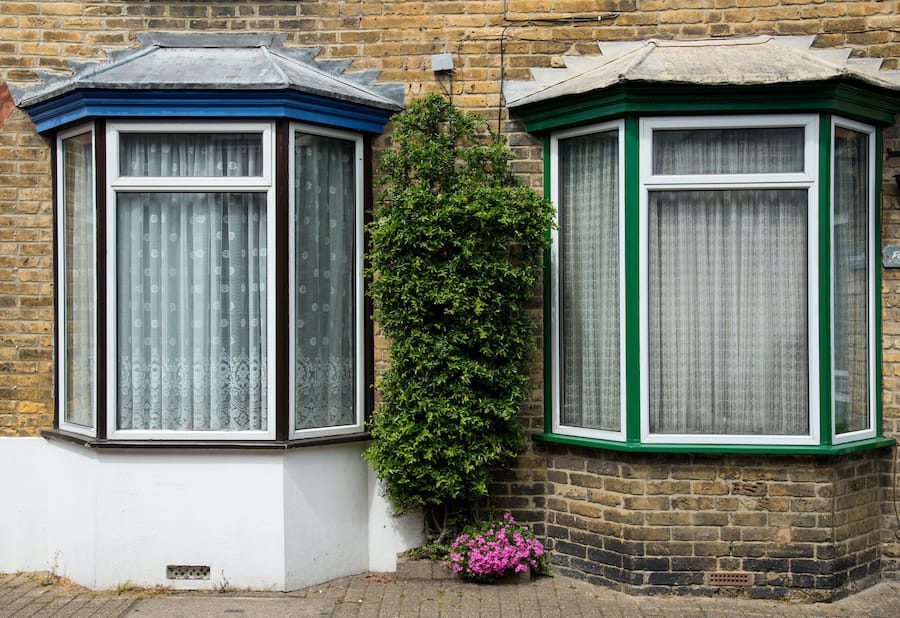
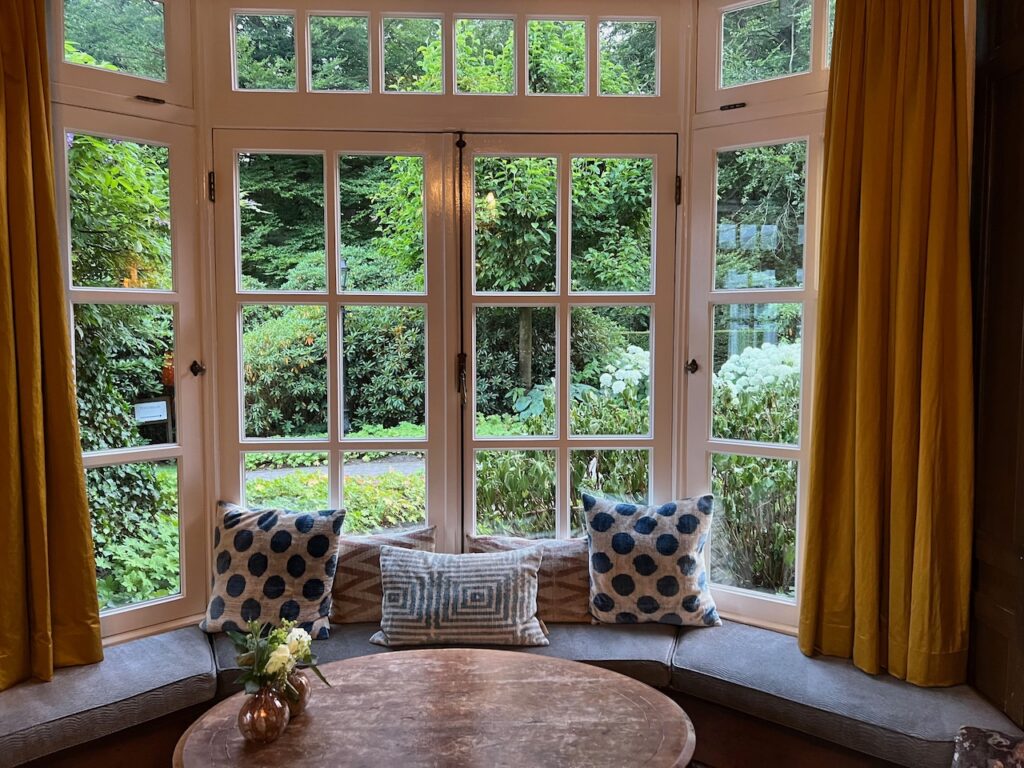
A bay window typically consists of three window sections that project outward from the wall. The center section is usually larger and may be fixed, while the two side windows are positioned at angles. This creates a more pronounced, angular appearance.
A bow window generally consists of four or more window sections arranged in a gentle curve. Because the individual windows are positioned at smaller angles, the overall projection has a rounded appearance rather than the sharper angles of a bay window.
Both styles can extend beyond the exterior wall of your home, creating additional interior space and a broader view of the outdoors.
Bay Windows vs. Bow Windows at a Glance
| Feature | Bay Windows | Bow Windows |
| Number of sections | Usually 3 window sections | Usually 4 or more window sections |
| Overall shape | Angular, geometric appearance | Softer, curved appearance |
| Projection | Often projects farther outward | Creates a wider, more gradual projection |
| Natural light | Increases natural light | Increases natural light |
| Curb appeal | Adds a distinctive architectural feature | Adds a softer, rounded architectural feature |
| Customization | Available with different frame materials, glass options, and configurations | Available with different frame materials, glass options, and configurations |
What Are Bay Windows?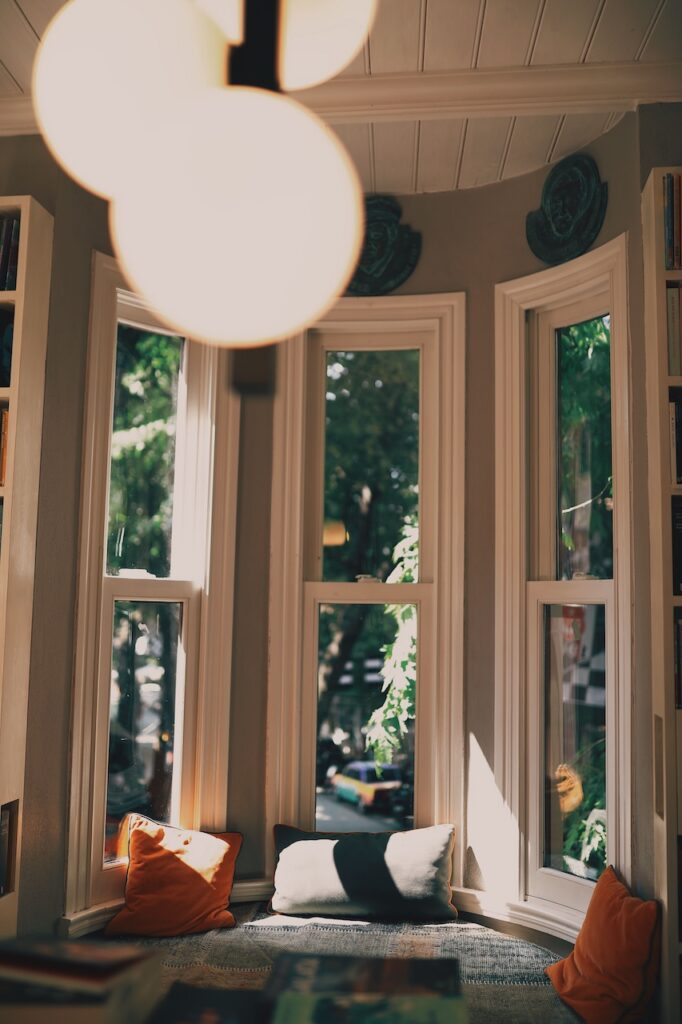
A bay window is a group of windows that projects outward from the exterior wall of a home. A traditional configuration has a large center window flanked by two smaller windows set at angles.
The three-section design makes a bay window particularly noticeable from the outside. Inside the home, the projection can create a small nook that homeowners may use for seating, plants, décor, or simply additional visual space.
Bay windows can work well with many architectural styles, from traditional homes to more contemporary designs.
Benefits of Bay Windows
A bay window can offer several practical and aesthetic advantages:
- More natural light: Multiple window sections can bring daylight into a room from different directions.
- Expanded views: The angled side windows can provide a broader view of the surrounding property.
- Additional interior space: The projection can create a useful nook inside the room.
- Distinctive curb appeal: Bay windows add dimension to an otherwise flat exterior wall.
- Flexible configurations: Depending on the product, homeowners may have options for fixed and operable sections.
- Multiple design choices: Frame materials, glass packages, colors, and grille patterns can be customized.
What Are Bow Windows?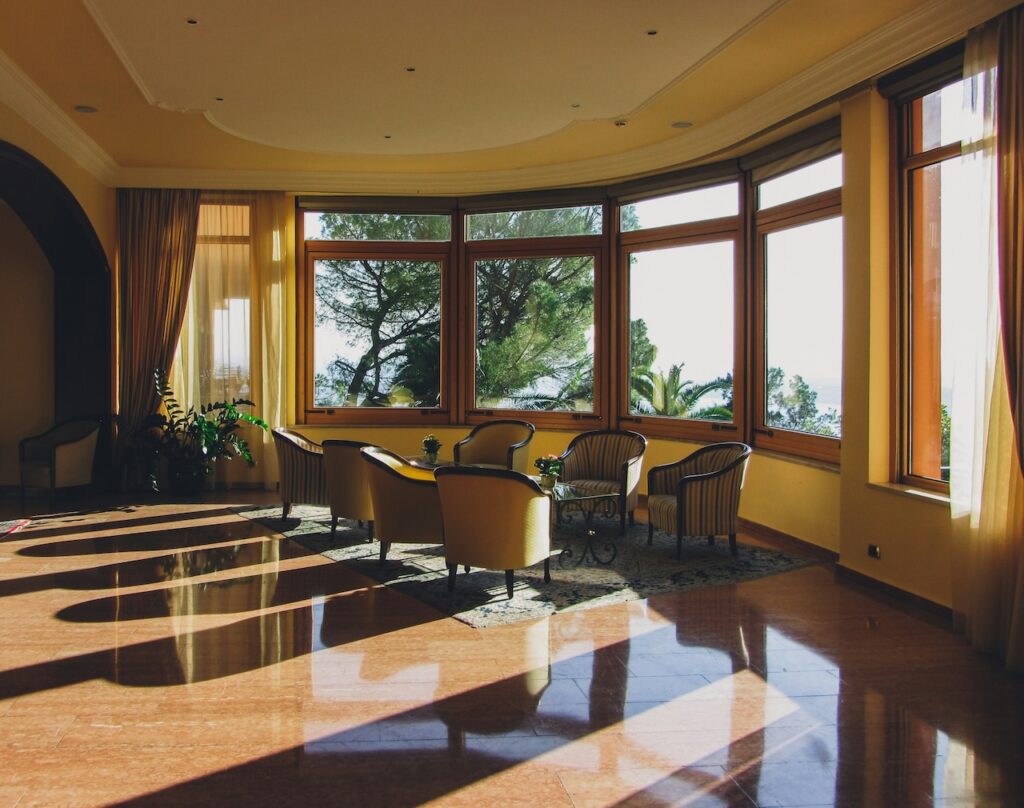
A bow window is made from multiple window sections arranged to form a gentle curve. Instead of the sharper angles associated with a bay window, the individual windows create a rounded projection from the exterior wall.
Because bow windows generally use more window sections, they can provide a wide viewing area. Their curved shape also gives them a softer architectural appearance that can complement homes where a less angular design is preferred.
Bow windows can be especially appealing when a homeowner wants to make a large room feel brighter and more open.
Benefits of Bow Windows
Some of the potential benefits of a bow window include:
- Wide outdoor views: Multiple sections create a broad viewing area.
- Abundant natural light: More glass can help bring additional daylight into a room.
- A softer appearance: The curved shape can complement traditional and transitional architecture.
- Potential for a larger projection: Depending on the design, a bow window can create noticeable additional interior space.
- Customization: Homeowners can choose different configurations and materials depending on the manufacturer and project.
When selecting a bow window, it’s important to consider the size of the opening, available wall space, the home’s architecture, and how the window will be used.
Which Provides More Natural Light?
Both bay and bow windows can increase the amount of natural light entering a room because they typically incorporate multiple glass sections.
However, a bow window may provide a particularly broad glass area because it commonly contains four or more window units. The final amount of daylight depends on the window’s size, glass configuration, orientation, surrounding structures, and frame design.
A bay window can also provide excellent daylight because its side windows are angled toward different directions.
If natural light is one of your biggest priorities, don’t focus only on whether you choose a bay or bow window. Ask about the actual glass area, glass coatings, frame design, and available configurations.
Which Is More Energy Efficient?
One of the most common questions homeowners ask when comparing bay vs. bow windows is whether one is more energy efficient.
The answer is that energy performance depends heavily on the specific window product and installation—not simply whether the window is a bay or bow.
Factors that can affect performance include:
- Glass type
- Number of panes
- Low-E coatings
- U-factor
- Solar Heat Gain Coefficient (SHGC)
- Frame material
- Air leakage
- Installation quality
- Local climate
Certified windows are evaluated using performance ratings from the National Fenestration Rating Council, including U-factor and SHGC. These ratings help homeowners compare how different products perform.
For Charlotte-area homeowners, choosing a window suited to the local climate is especially important.
Which Costs More?
The cost of bay windows vs. bow windows varies significantly from one project to another.
The final price can depend on:
- Window size
- Number of window sections
- Frame material
- Glass package
- Customization
- Installation requirements
- Structural modifications
- Interior and exterior finishing
- Existing window condition
- Labor and accessibility
A bow window may cost more than a basic bay window because it commonly incorporates more individual window units and may require additional materials and installation work. However, there is no universal price difference that applies to every project.
That’s why homeowners should be cautious about choosing a window based solely on an online price range. A professional assessment can identify the actual requirements of your home.
Which Is Better for Your Home?
There isn’t one universally “better” choice when comparing a bay window vs. bow window. The right option depends on what you want the window to accomplish.
Choose Bay Windows If You Want:
- A more angular architectural style
- A prominent exterior feature
- A classic three-window configuration
- A defined interior nook
- A combination of fixed and operable window sections
Choose Bow Windows If You Want:
- A softer, curved appearance
- A wider panoramic view
- More individual window sections
- A larger expanse of glass
- A design that follows the curve of a wall more gradually
Your home’s existing architecture should also influence your decision.
A window that looks great in a competitor’s project may not necessarily complement your home’s rooflines, siding, exterior proportions, or interior layout.
Bay and Bow Windows: What Materials Can You Choose?
The frame material is another important part of a replacement window project.
Vinyl Windows
Vinyl is a popular option because it is generally low maintenance and can provide good insulating performance.
Fiberglass Windows
Fiberglass windows are another option for homeowners who prioritize durability and performance.
Aluminum-Clad Windows
Aluminum-clad windows combine a wood core with an exterior aluminum covering designed to provide additional protection. They can be an attractive option for homeowners who want the appearance of wood while adding exterior durability.
The best material depends on your budget, maintenance preferences, design goals, and performance requirements.
How to Choose Between Bay vs. Bow Windows
Before making a decision, consider these five questions:
- How much wall space is available?
Measure the existing opening and evaluate the surrounding interior and exterior space. - What style fits your home?
Think about whether an angular bay or curved bow better complements your home’s architecture. - How much natural light do you want?
Consider the window’s orientation, size, and glass area—not just the style. - Do you need ventilation?
Some configurations allow certain sections to open, while others may use fixed glass. Your contractor can explain the available options. - What are your energy-efficiency goals?
Compare U-factor, SHGC, glazing, frame materials, and other performance specifications.
Why Professional Installation Matters
The location and orientation of a window can affect daylight, glare, and solar heat gain. Thoughtful window placement and natural daylight can help homeowners get more from their replacement windows.
Bay and bow windows require careful planning because they extend beyond the home’s existing wall plane. Proper measurements, flashing, insulation, sealing, and finishing all contribute to the long-term performance of the installation.
Even an excellent window can perform poorly if it is installed incorrectly.
During a professional replacement project, the installer should evaluate the existing opening, confirm measurements, protect surrounding areas, properly install the window components, and inspect the finished installation.
Bay vs. Bow Windows: Get Professional Help Choosing the Right Option
When comparing bay vs. bow windows, the best choice is the one that balances your home’s architecture, available space, natural-light goals, energy-efficiency needs, and budget. Bay windows offer a distinctive angular profile and classic three-section design, while bow windows create a softer curve and can provide a broad panoramic view.
At SHS Pros, we help homeowners find replacement windows that improve their home’s comfort, appearance, and energy efficiency. Whether you’re considering the classic angles of a bay window or the curved design of a bow window, our experienced team can help you compare your options and find the right fit for your home.
Not sure whether bay or bow windows are right for your home? Contact SHS Pros online or call 704-531-2122 today to discuss your options and take the next step toward beautiful, high-performance replacement windows.
Frequently Asked Questions About Bay vs. Bow Windows
Are bay windows or bow windows better?
Neither is automatically better. Bay vs. bow windows comes down to your home’s architecture, available space, desired appearance, viewing area, ventilation needs, and budget.
What is the main difference between a bay window and a bow window?
A bay window generally uses three window sections arranged at more pronounced angles. A bow window typically uses four or more sections arranged in a gentle curve.
Do bay and bow windows add interior space?
Both can project outward from the exterior wall and create additional interior space. The amount of usable space depends on the size and configuration of the installation.
Are bow windows more expensive than bay windows?
They can be, but there is no fixed price difference. Bow windows often use more individual window sections, but the total project cost depends on size, materials, glass, installation requirements, and customization.
Are bay and bow windows energy efficient?
They can be. Energy efficiency depends on the specific window’s glass, frame, air leakage, U-factor, SHGC, installation, and other specifications. The NFRC window ratings provide standardized information that can help homeowners compare different products.
Can bay and bow windows be used as replacement windows?
Yes. Both bay and bow configurations can be part of a replacement window project when the existing opening and structure are appropriate for the installation.
