
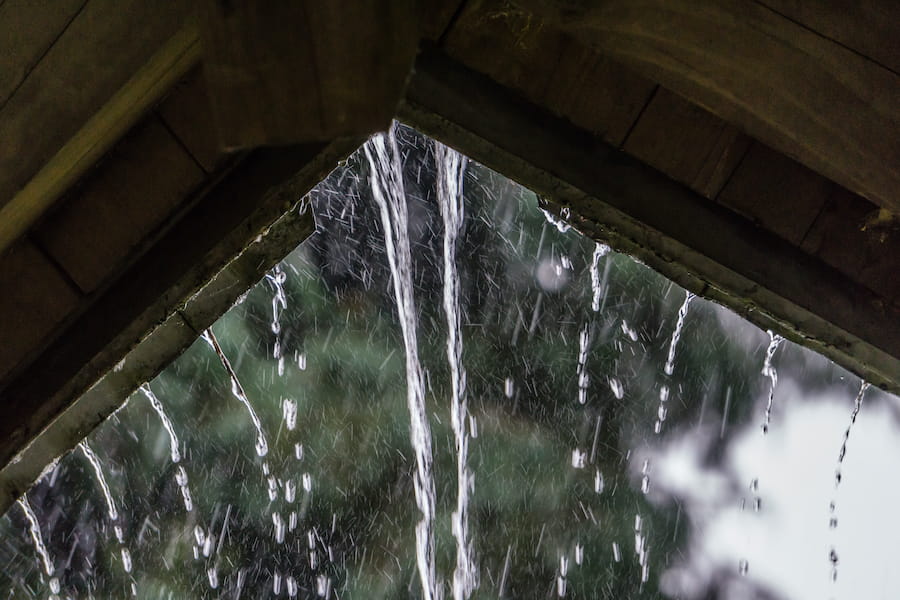
For most homeowners, that immediately raises two concerns: Will the project be delayed, and what happens if the old roof is already coming off when the weather changes?
In most cases, roof replacement shouldn’t continue in active rain when surfaces become wet, slippery, or unsuitable for proper installation. Rain can create safety concerns, expose roofing materials to moisture, and interfere with the installation process.
That doesn’t mean every cloudy forecast cancels your project.
At Southern Home Services, we’ve helped Greater Charlotte homeowners with roofing and exterior projects since 2001. We know weather rarely follows the calendar perfectly, which is why careful planning is such an important part of a successful roof replacement.
In this guide, we’ll explain can you replace a roof in the rain, what happens if rain arrives mid-project, how your home is protected, and why waiting for better conditions can actually be a sign of a well-managed roofing job.
If your roof is leaking, aging, or showing signs of storm damage, call our team today at (704) 531-2122 or contact us online to schedule a roofing consultation.
Can Roofers Work in the Rain?
Generally, roofing work should pause when rain creates unsafe or unsuitable installation conditions.
A roof is already a challenging surface to work on. Add water, and shingles, decking, and underlayment can become significantly more slippery.
Safety is one concern, but it isn’t the only one.
During roof replacement, crews temporarily remove the layers designed to keep water out of your home. Once shingles and underlayment come off, portions of the roof deck may be exposed.
That’s why an experienced roofing contractor won’t simply “work through” rain to stay on schedule. The priority shifts to protecting the home and waiting for conditions that support safe, proper installation.
Does a Chance of Rain Mean Your Roof Replacement Is Canceled?
Not necessarily.
A chance of scattered showers is very different from a full day of steady rain or severe thunderstorms.
Roofers typically consider:
- When rain is expected
- How long it may last
- How heavy it could be
- Wind conditions
- Roof pitch
- How much roofing can safely be removed
- How quickly exposed areas can be protected
- Whether surfaces will have time to dry
That means a project may still move forward even when rain appears in the forecast.
The better question isn’t simply, “Will it rain today?”
It’s:
“Can the crew work safely and keep the home protected if conditions change?”
Why Is Rain a Problem During Roof Replacement?
A finished roof is designed to handle weather. A roof halfway through replacement is not.
That difference matters.
Wet Surfaces Create Safety Hazards
Roofing crews move across sloped surfaces while carrying tools and materials. Even light rain can make those surfaces slick.
If the roof becomes unsafe, work should pause rather than continue simply to meet the original schedule.
The Roof Deck Can Be Exposed
Once the old shingles are removed, crews can inspect the roof decking underneath.
That step is important because damaged or deteriorated decking needs to be repaired before a new roofing system is installed.
The deck should also be dry before roofing materials cover it. Installing over wet or compromised decking can create unnecessary problems later.
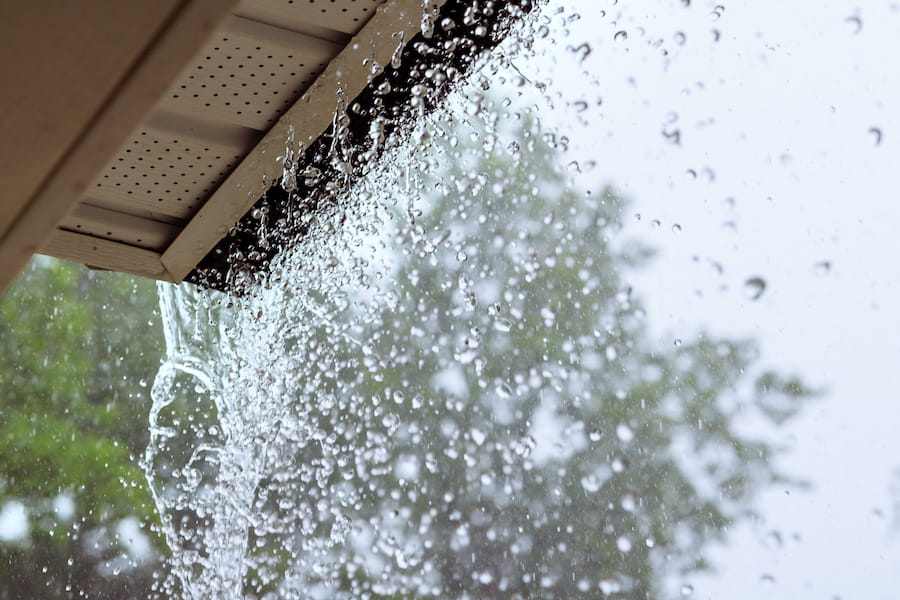
Underlayment May Need Time to Dry
Another common misconception is that rain no longer matters once underlayment is installed.
If underlayment becomes saturated, wrinkled, or otherwise affected by moisture, crews may need to wait before shingles are installed.
So even after the rain stops, work may not restart immediately.
What Happens if It Starts Raining Mid-Project?
This is usually the moment homeowners worry about most.
The roof is open, dark clouds move in, and rain starts falling.
A professional crew should already have a plan.
Depending on where the project stands, they may:
- Stop removing additional roofing
- Protect exposed decking
- Secure loose materials
- Cover vulnerable areas
- Check temporary weather protection
- Resume work when conditions improve
At that point, protecting the structure becomes more important than staying exactly on schedule.
This is one reason contractors should avoid exposing more of the roof than they can reasonably manage within the available weather window.
What if the Roof Deck Gets Wet?
A few drops of rain don’t automatically mean the roof replacement is ruined.
The real questions are:
- How wet did the deck become?
- How long was it exposed?
- Is the material still sound?
- Has it dried sufficiently to continue?
If the roof deck gets wet, the crew may need to give it time to dry before moving forward. If moisture reveals damaged or deteriorated wood, that material should be repaired or replaced.
That can add time to the project, but it’s better to deal with the problem now than seal moisture or damaged materials beneath a new roof.
Can Shingles Be Installed Right After the Rain Stops?
Sometimes, but not always. Clear skies don’t automatically mean installation should resume immediately.
Before continuing, the contractor may need to confirm that:
- Decking is dry
- Underlayment is ready for installation
- Workers can move safely
- Roofing materials haven’t been compromised
- Additional rain isn’t expected shortly
That’s why you may see a roofing crew wait after the rain has ended.
They aren’t necessarily wasting time. They may simply be waiting for proper installation conditions.
How Do Roofers Protect Your Home When Rain Is Possible?
Good weather planning starts before tear-off.
Experienced crews typically monitor the forecast closely and limit how much of the roof is exposed at one time.
Before work begins, homeowners should feel comfortable asking:
- What happens if rain moves in?
- How much of my roof will be open at once?
- How will exposed areas be protected?
- What happens if the decking gets wet?
- When will work resume after a weather delay?
- How will rain affect the completion date?
A professional roofing contractor should be able to answer these questions clearly.
Will Rain Delay the Entire Roof Replacement?
It can, but sometimes only temporarily.
A project expected to take two days might take three if rain interrupts the schedule. In other cases, crews may only lose a few hours.
Prolonged weather can create a longer delay.
That can be frustrating, especially when you’ve already planned around the project, but a short delay is usually preferable to rushing work under poor conditions.
The goal should be a properly installed roof, not simply the fastest finish.
What Should You Do if Your Roof Is Already Leaking During Heavy Rain?
If your roof is actively leaking, your first instinct may be to climb up and investigate it.
Don’t.
Wet and storm-damaged roofs can be extremely dangerous.
Instead:
- Move furniture and valuables away from the leak
- Place containers under dripping water where safe
- Stay away from water near electrical fixtures
- Document visible damage
- Contact a roofing professional once conditions allow
If permanent repairs can’t be completed immediately, temporary protection may be recommended until the weather improves.
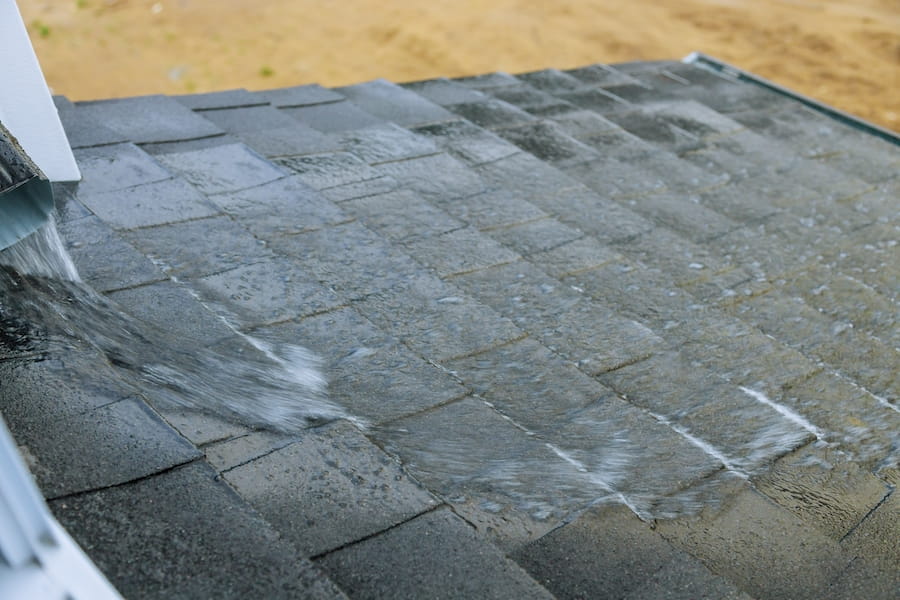
Will a Weather Delay Leave Your Home Exposed Overnight?
It shouldn’t.
If a project pauses because of rain, the crew should make sure vulnerable areas are protected before leaving the jobsite.
If your roof remains partially under construction overnight, ask:
- What temporary protection is in place?
- Which sections are complete?
- When is work expected to resume?
- What happens if additional rain arrives?
You should never have to guess whether your home is protected.
Why Weather Planning Matters When Choosing a Roofing Contractor
Most homeowners compare roofing companies based on price, warranties, materials, and timeline.
Those things matter, but there’s another question worth asking:
“What happens when the project doesn’t go exactly according to plan?”
Weather is one of the clearest examples.
At Southern Home Services, we’ve served Greater Charlotte homeowners since 2001. We’re a GAF Master Elite Contractor and a CertainTeed SELECT ShingleMaster Premier company, and we approach roof replacement as a complete roofing system rather than simply a shingle installation.
That means considering the roof deck, underlayment, flashing, drip edge, ventilation, penetrations, and shingles together.
It also means knowing when conditions are right to keep working and when it’s smarter to pause.
Protect Your Roof, Even When the Weather Changes
So, can you replace a roof in the rain? In most cases, active rain is a reason to pause, protect exposed areas, and wait until the roof is dry enough for safe, proper installation.
A weather delay can be frustrating, but it’s far better than rushing through conditions that could compromise safety or the finished roof. The right contractor will have a plan for protecting your home, communicating schedule changes, and resuming work when conditions improve.
If your roof is leaking, storm-damaged, or simply ready for replacement, call Southern Home Services at (704) 531-2122 or contact us online to schedule a roofing consultation. We’ll inspect your roof, explain your options, and help you move forward with a replacement plan built around the condition of your home, the forecast, and proper installation practices.
FAQ: Can You Replace a Roof in the Rain?
Can roofers replace shingles while it’s raining?
Roofing work should generally pause when rain creates unsafe working conditions or makes surfaces unsuitable for proper installation.
Will a little rain ruin a roof replacement?
Not necessarily. The impact depends on how much moisture reached exposed materials, how long they stayed wet, and how quickly the area was protected and allowed to dry.
What happens if the roof deck gets wet?
The decking may need time to dry before installation continues. If moisture exposes rot or deterioration, those areas should be repaired before they’re covered.
Can shingles be installed on wet underlayment?
In general, roofing materials should be installed over properly prepared, dry surfaces. Wet or wrinkled underlayment may need time to dry before installation continues.
Will rain delay my roof replacement?
It can. Some delays last only a few hours, while heavier or prolonged rain may add a day or more to the schedule.
Is a weather delay a bad sign?
Not necessarily. A contractor who pauses because conditions aren’t safe or appropriate may be protecting both the crew and the quality of your finished roof.
