
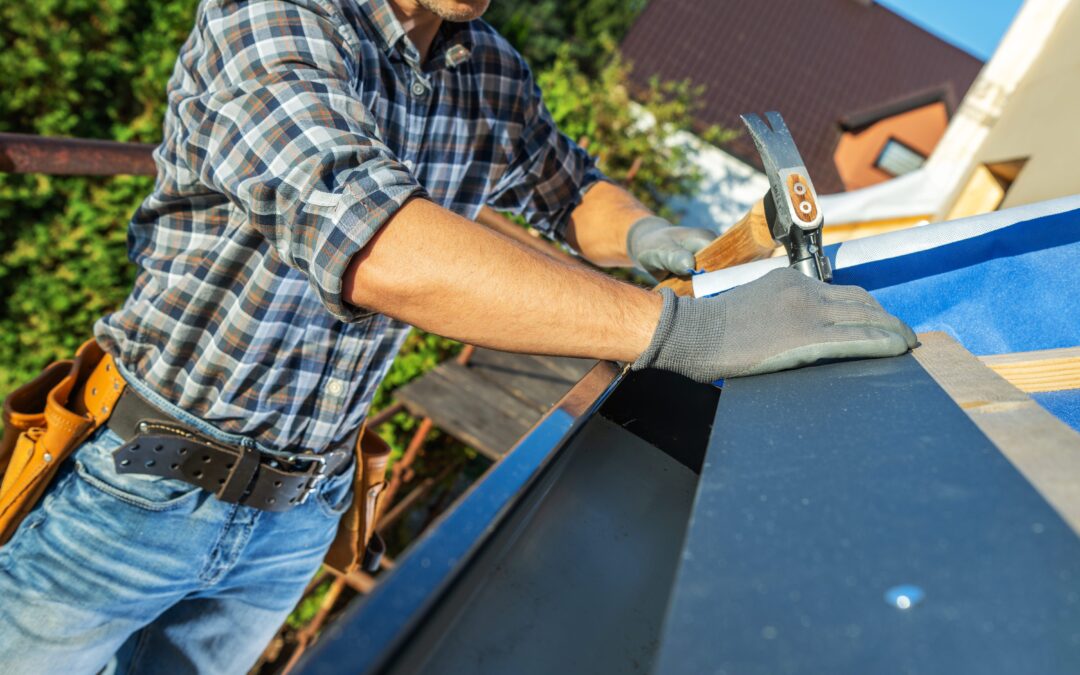
Imagine this scenario: A late-summer storm barrels across Mecklenburg County, drenching your roof in heavy rain. Days later, you notice a brown stain spreading across your living room ceiling. Even though your roof’s shingles looked intact, the hidden layer beneath them—the roof underlayment—wasn’t able to stop the intrusion.
At Southern Home Services, we often meet Charlotte homeowners who are unsure whether the standard felt or synthetic underlayment is sufficient to protect their home, or if investing in a self-adhering ice and water shield is more worthwhile. As your local roofing contractor, our goal is to simplify that choice.
In this guide, we’ll explain how underlayment protects your roof, compare the benefits and drawbacks of ice and water shield vs. traditional underlayment, and highlight which factors matter most in Charlotte’s climate so you can make the best decision for your home.
What Is Roof Underlayment?
Before comparing ice and water shield vs. traditional underlayment, it’s important to understand what underlayment actually is.
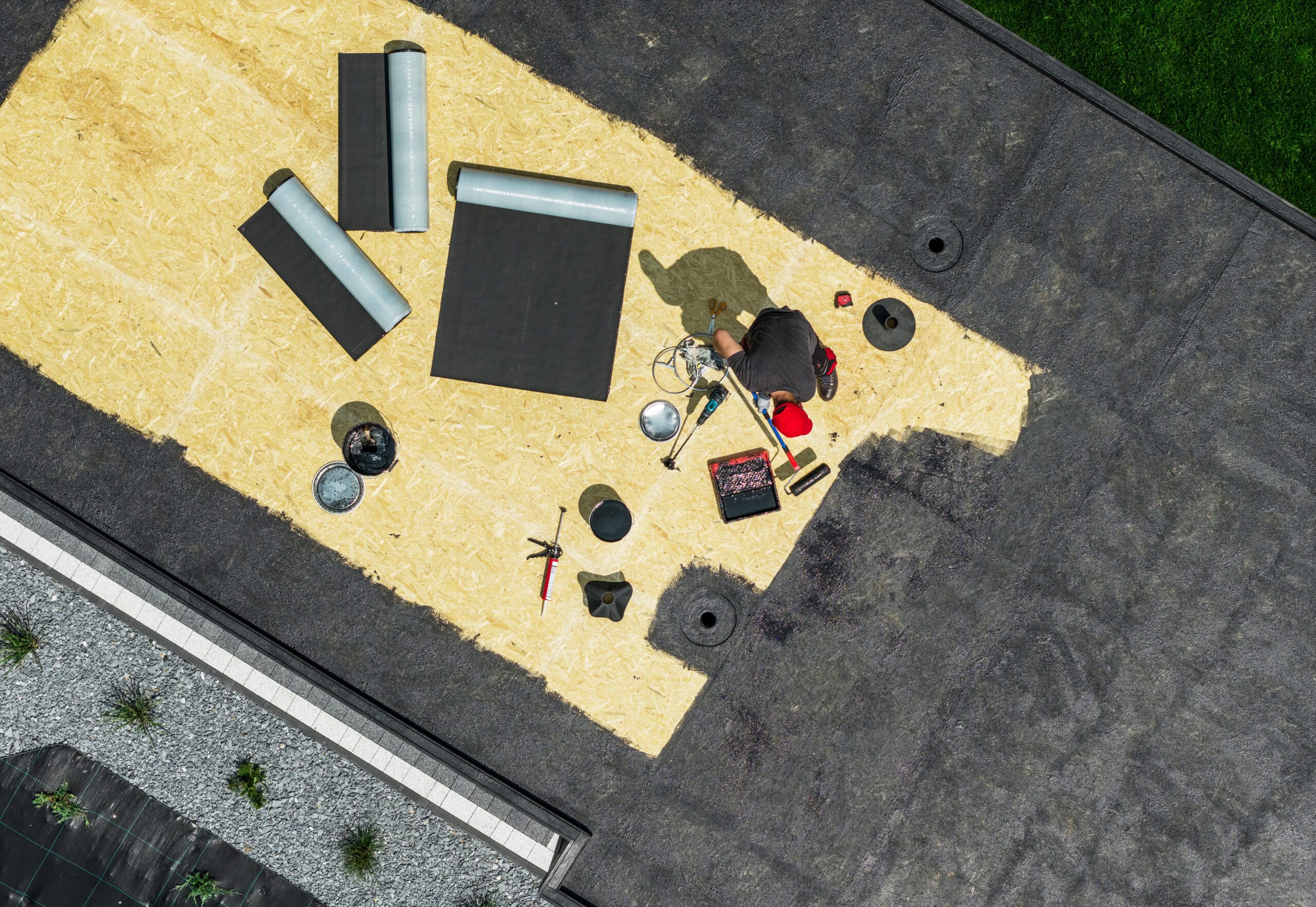
Underlayment is the hidden protective layer installed between your roof deck (the wooden base) and the visible shingles or other roofing material. Its main job is to act as a backup defense against water, wind, and weather when the outer roof covering is compromised.
Why Do I Need It?
Think of underlayment as your roof’s “safety net.” If shingles are lifted by strong winds or rain is driven sideways during a storm, underlayment provides that extra barrier to keep moisture from seeping into your attic or living space. While it’s not a visible part of your roof, it plays a critical role in the long-term health and performance of your roofing system.
Underlayment in Charlotte’s Unique Climate
Charlotte is no stranger to heavy rainfall, receiving an average of 43 inches annually. Rapid freeze-thaw cycles characterize its winters, while its position within a hurricane impact zone subjects the area to intense fall rains.
Serving as your roof’s secondary layer of protection, underlayment becomes crucial when shingles crack, lift, or experience other forms of compromise. In a climate where temperatures can rise above 90°F in the summer and dip below freezing in the winter, the chosen underlayment must be adept at managing moisture, heat expansion, and the occasional ice storm.
Ice and Water Shield vs. Traditional Underlayment
What Is Traditional Underlayment?
When comparing ice and water shield vs. traditional underlayment, it helps to first define what “traditional” means. Traditional underlayment is typically available as asphalt-saturated felt (commonly known as 15-lb or 30-lb “tar paper”) or as modern synthetic sheets crafted from polypropylene or polyester blends. Both types are rolled out, secured with nails or staples, and serve as a moisture barrier between the roof deck and the outer roofing material.
- Asphalt-Saturated Felt: The longstanding choice, composed of cellulose fibers soaked in asphalt. While affordable and readily available, it is more vulnerable to tearing and water absorption.
- Synthetic Underlayment: Engineered fabrics that are lighter, stronger, and more UV-resistant than felt. They typically offer better traction for installers and efficiently shed water.
What Is Ice and Water Shield?
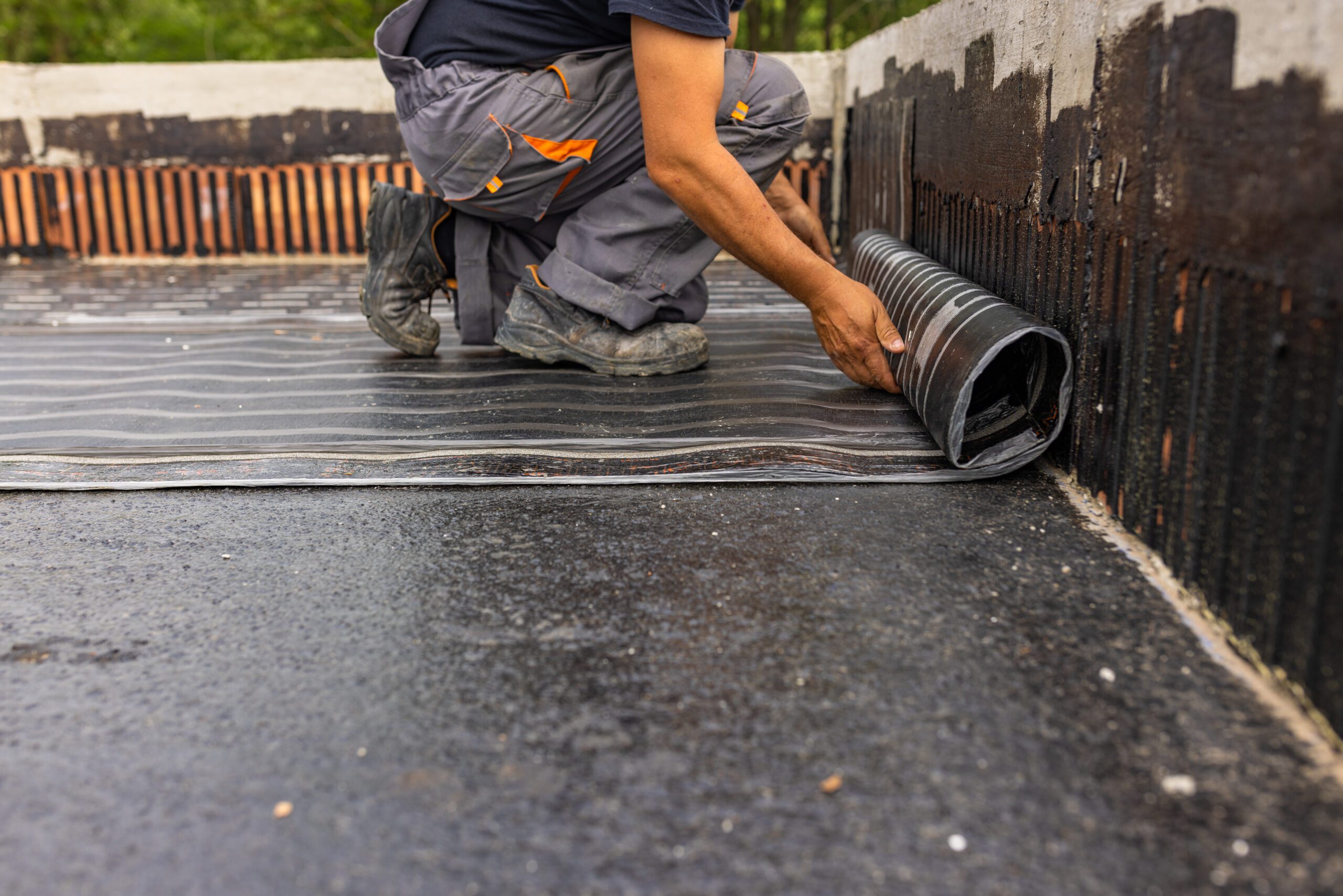
While traditional underlayment is nailed or stapled down, ice and water shield is a self-adhering membrane composed of a rubberized asphalt or polymer-modified bitumen compound.
Topped with a high-strength film, it bonds directly to the roof deck, self-sealing around nails and fasteners, creating an almost impenetrable barrier against water intrusion.
Ice and Water Shield vs. Traditional Underlayment: Benefits and Drawbacks
Traditional Underlayment
Benefits:
- Cost-Effectiveness: Felt and basic synthetic underlayment presents a cheaper initial investment, a practical choice for homeowners prepping a property for sale.
- Ease of Installation: Minimal surface prep and standard fasteners streamline the installation process, making it quicker for straightforward re-roof projects.
- Breathable Defense: Regular asphalt felt allows some moisture to vent, helping to accommodate seasonal humidity in Charlotte attics despite not being fully vapor-permeable.
Drawbacks:
- Risk of Tears and Blow-Off: High winds, typical during tropical storms, can tear felt sheets before shingles are installed.
- Nail Leakage Pathways: Each fastener introduces potential leak points if water backs up under the shingles.
- Limited Longevity: UV exposure during installation can degrade felt quickly, and while synthetics are more robust, they still lack the self-sealing advantage of ice and water membranes.\
Ice and Water Shield
Benefits:
- Self-Sealing Technology: The rubberized layer wraps around nails, shielding against wind-driven rain reaching your plywood deck.
- Exceptional Leak Protection: Perfect for roof valleys, eaves, rakes, skylights, and chimneys—areas susceptible to pooling or penetration.
- Ice-Dam Safeguard: While Charlotte rarely endures extended freezing spells like the northern states, occasional black-ice events can form ice dams. The membrane stops refreezing water from entering your attic.
- Prolonged Lifespan: Many premium shields boast warranties of 30 to 50 years, enduring multiple shingle life cycles.
Drawbacks:
- Greater Material Expense: Anticipate spending approximately $100–$120 per roofing square, compared to $30–$40 for standard felt, which might dissuade budget-conscious homeowners.
- Permanent Bond Challenge: Once adhered, removing the shield for future repairs is labor-intensive and might necessitate replacing decking sections.
- Ventilation Requirement: The non-breathable membrane mandates proper attic ventilation to avoid moisture trapping and deck degradation from underneath.
Climate-Specific Considerations for Charlotte
Our region’s climate patterns demand a strategic approach:
- Heat & Humidity: High temperatures can cause asphalt felt to wrinkle, creating shingle lift. Ice and water shield resists this distortion.
- Heavy Rains: Tropical moisture from the Atlantic frequently drenches Charlotte, and self-sealing membranes excel under sustained downpours.
- Surprise Ice Events: A select few nights each winter feature sudden ice storms generating short-lived but damaging ice dams, particularly on shaded north-facing eaves.

Ice and Water Shield vs. Traditional Underlayment: Comparison Chart
| Feature | Ice & Water Shield | Traditional Underlayment (Felt) |
| Installation | Peel-and-stick, self-adhering (no nail holes) | Fastened with nails or staples |
| Water Protection | Fully waterproof; seals around fasteners | Water-resistant but not waterproof |
| Heat Endurance | Withstands high temperatures; won’t degrade | More vulnerable to heat over time |
| Cost | 2–3x more expensive per square | Lower cost |
| Longevity | Extends roof life, reduces repairs | Shorter lifespan, more frequent repairs |
| Breathability | Non-permeable; requires proper ventilation | Slightly breathable; allows moisture escape |
When to Choose Ice and Water Shield vs. Traditional Underlayment
Strategic Application: North Carolina building codes necessitate ice and water shield in valleys and around penetrations on specific roof pitches. Many homeowners choose a “hybrid” strategy:
- Install ice and water shield along eaves (extending 24–36 inches beyond the interior wall), valleys, and all roof penetrations.
- Apply premium synthetic underlayment on the field areas to control costs while still benefiting from superior tear resistance compared to felt.
This method safeguards crucial areas without excessively inflating your budget.
Cost and ROI
While the upfront investment in ice and water shield is higher, the long-term savings from reduced repairs often outweigh the cost difference. In the ice and water shield vs. traditional underlayment debate, homeowners should consider not just the upfront material expense, but the decades of added protection.
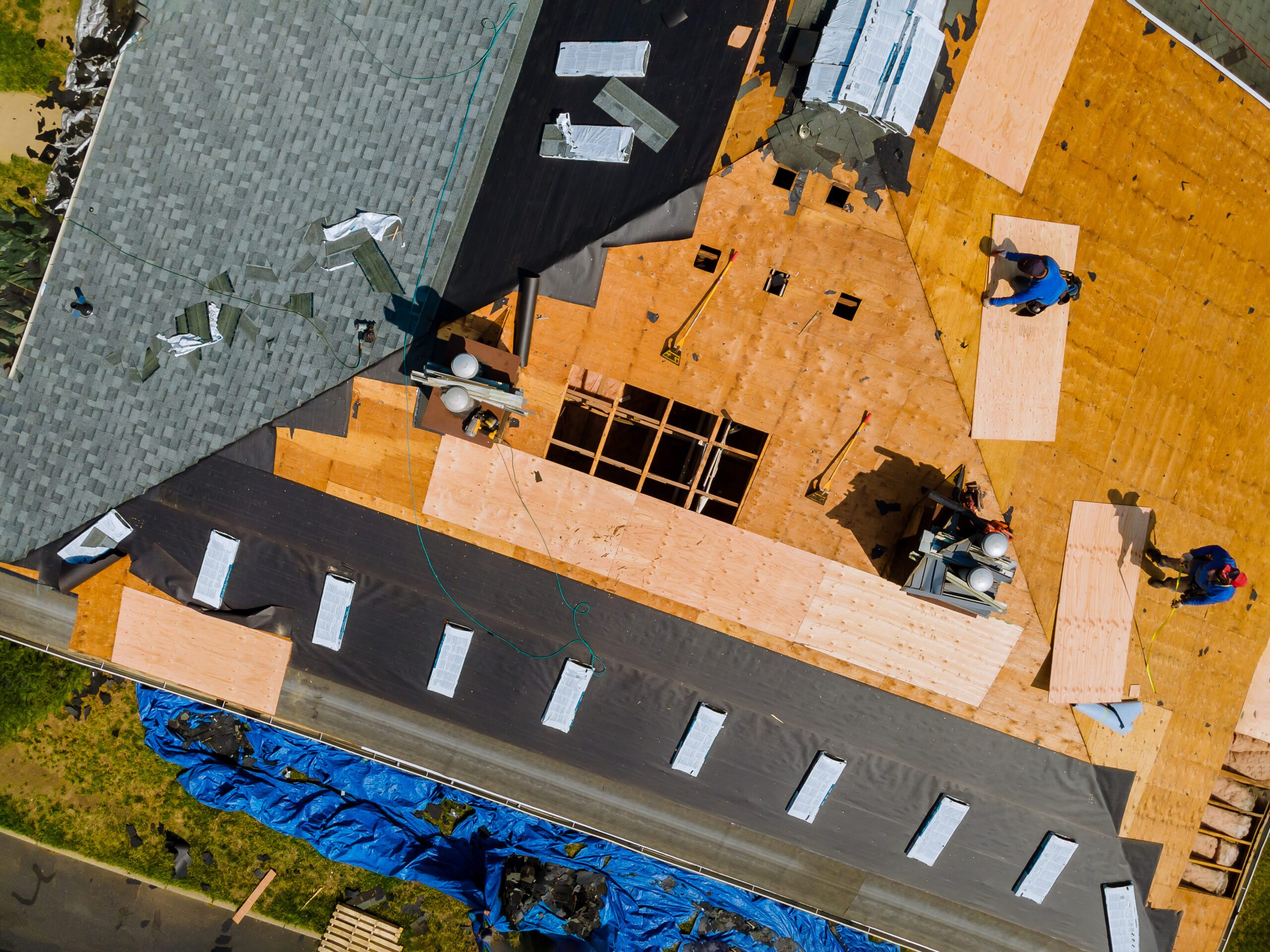
Examine this example based on a 2,000-square-foot Charlotte home with a 6/12 pitch, translating to roughly 26 roofing squares:
- Exclusive Synthetic Underlayment: Material ~$1,000; labor ~$1,500; with an expected lifespan of 15–20 years.
- Comprehensive Ice & Water Shield: Material ~$2,600; labor ~$2,000 (accounting for extra preparation and care); lifespan ranging from 30–50 years.
- Hybrid System (Ice & Water on 30% of deck + Synthetic for the remainder): Material ~$1,700; labor ~$1,800; lifespan mirroring the longest-lived component (30+ years).
When spread over the roof’s lifespan, the marginally higher expense of ice and water shield equals just a few additional dollars per month, but could potentially save thousands on interior water-damage repairs.
Choose Southern Home Services for Expert Installation
Even the most advanced product fails if improperly installed. At Southern Home Services, we get it right every time. Our certified teams adhere to a meticulous procedure:
- Roof Deck Inspection & Repair: We replace any compromised sheathing—a crucial step before applying any self-adhering membrane.
- Surface Preparation: The roof deck is cleared of sawdust and debris; moisture levels are assessed to ensure optimal adhesion.
- Accurate Starter Strip Alignment: Chalk lines are snapped, release film peeled, and the membrane rolled from the eave upward to avoid air pockets.
- Overlap & Stagger Technique: Each course overlaps the previous by at least 6 inches, with end laps of 3 feet, in accordance with manufacturer specifications.
- Ventilation Audit: We calculate intake (soffit) and exhaust (ridge) vents at a 1:150 attic-space ratio, ensuring balanced airflow and preventing moisture accumulation.
Our promise is direct: a watertight roof installed to code, on time, and supported by our Southern Home Services workmanship guarantee. If you’re comparing ice and water shield vs. traditional underlayment and want expert guidance, contact Southern Home Services today to schedule a free consultation and protect your home with confidence.
Frequently Asked Questions: Ice and Water Shield vs. Traditional Underlayment
Does ice and water shield make my attic hotter?
Not if your attic ventilation is well-balanced. Proper soffit and ridge vents maintain airflow and temperature stability.
Can I install ice and water shield over old felt underlayment?
Technically possible, but not recommended. For the best bond and leak protection, install directly on the roof deck.
Is ice and water shield required by code in Charlotte?
Mecklenburg County follows the North Carolina Residential Code, which requires ice barriers in areas at risk of ice dams. While Charlotte’s risk is lower than northern states, inspectors often require it in valleys and low-slope roof sections.
Which is better: ice and water shield vs. traditional underlayment?
Ice and water shield provides superior, long-lasting protection but at a higher cost. Traditional felt is more budget-friendly but less durable. Many homeowners choose a hybrid system for balanced protection.
