
A leaking ceiling, missing shingles, or visible storm damage can quickly leave homeowners wondering how serious a roofing problem really is. In many cases, the biggest question is not whether the roof needs attention, but whether a targeted repair will be enough or if a full replacement is the better long-term solution.
Understanding roof repair vs. replacement is important for protecting your home, managing costs, and avoiding larger structural issues down the road. While some roofing problems can be resolved with localized repairs, others may signal deeper wear that makes replacement the more reliable and cost-effective option.
At Southern Home Services, we’ve spent over two decades helping homeowners assess roofing damage, evaluate long-term performance concerns, and determine the most practical solution based on the roof’s age, condition, and overall integrity.
Be a proactive homeowner. Call 704-610-1969 or contact us online to schedule a professional roof inspection with our expert team today.
Understanding Roof Repair vs. Replacement
Choosing between roof repair or replacement involves more than simply fixing visible damage. The right solution depends on the overall condition of the roofing system and whether the issue is isolated or part of a larger pattern of deterioration.
Several key factors help determine the best long-term approach, including:
- Roof age and expected remaining lifespan
- Extent and location of damage
- Frequency of previous repairs
- Signs of water intrusion or structural deterioration
- Overall roof performance and material condition
In many cases, targeted repairs can effectively resolve localized issues and extend the roof’s lifespan. However, if damage is widespread, recurring, or tied to aging materials, a full replacement may provide better long-term protection, reliability, and value.
When Roof Repair May Be the Better Option
Roof repair is often the best option when damage is isolated, and the overall roofing system is still in good condition. Addressing smaller issues early can help extend the roof’s lifespan and prevent more expensive problems later.
Issues That Can Often Be Repaired
- A few missing or damaged shingles
- Minor flashing damage around vents or chimneys
- Small, localized leaks
- Limited wind or storm damage
- Early signs of wear without widespread deterioration
When Roof Repair Makes Sense
- The roof is relatively newer
- Previous repairs have been minimal
- The underlying structure remains sound
- Most roofing materials are still performing well
A professional inspection can help determine whether the damage is isolated enough for repair or if larger roofing issues are beginning to develop. Contact us today to schedule an inspection with one of our roofing experts.
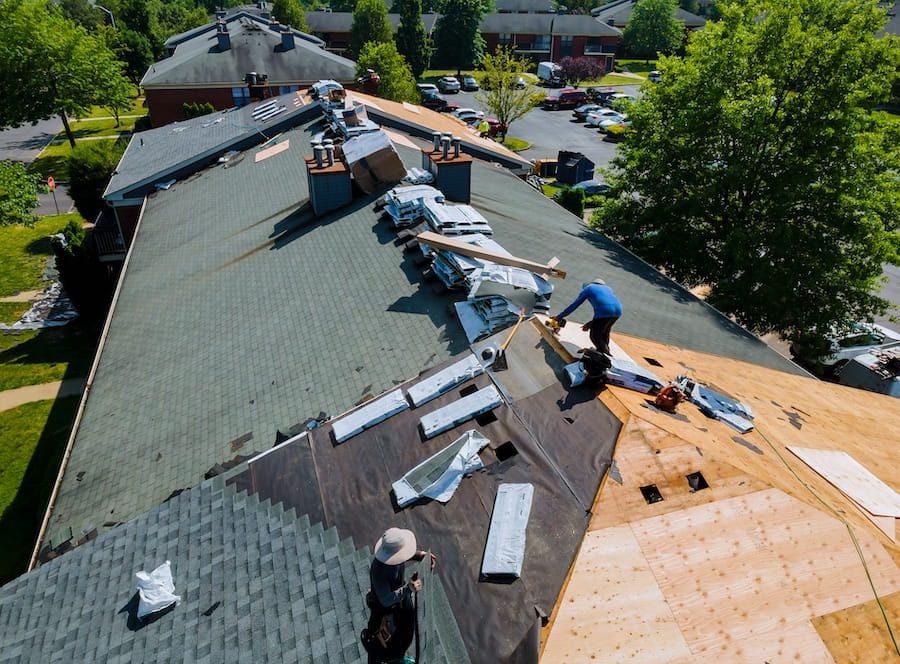
Signs You Need a Roof Replacement
In some cases, repairs may temporarily address visible damage while larger roofing problems continue developing beneath the surface. When issues become widespread or recurring, a full roof replacement is often the more reliable and cost-effective long-term solution.
Key Signs It’s Time for a New Roof
- Roof is approaching or exceeding its expected lifespan
- Frequent or recurring leaks
- Widespread shingle cracking, curling, or granule loss
- Sagging roof sections or soft spots
- Moisture buildup or structural concerns in the attic
Repeated repairs on an aging roof can quickly become more expensive than replacement, still leaving homeowners vulnerable to future damage.
According to the National Roofing Contractors Association (NRCA), aging roofing systems and recurring repair needs are often strong indicators that replacement may provide better long-term protection and performance.
Why Roof Age Matters
Roofing materials have expected service lifespans, and age plays a major role in deciding between repair and replacement.
Typical roofing lifespan estimates:
- Asphalt shingles: 20–30 years
- Cedar shake roofing: 20–40 years, depending on maintenance
- Premium roofing systems: Often longer with proper installation and upkeep
As roofing materials age, they naturally become less effective at resisting weather exposure, UV damage, and moisture infiltration. If a roof is already nearing the end of its expected lifespan, investing in major repairs may only provide short-term relief before replacement becomes necessary.
Storm Damage and Insurance Considerations
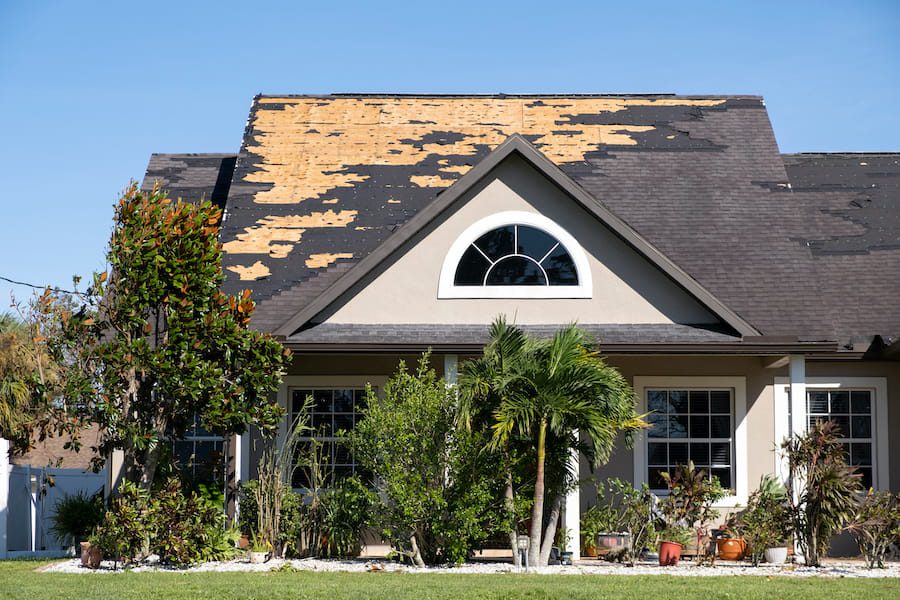
Storm damage often plays a major role in deciding between roof repair and replacement. In areas like the Carolinas, roofs regularly face high winds, heavy rain, hail, and occasional tropical storm systems that can cause both visible and hidden damage.
While some issues are obvious, such as missing shingles, others, like flashing damage or moisture intrusion, may not be immediately visible without a professional inspection.
Signs of Storm Damage to Look For
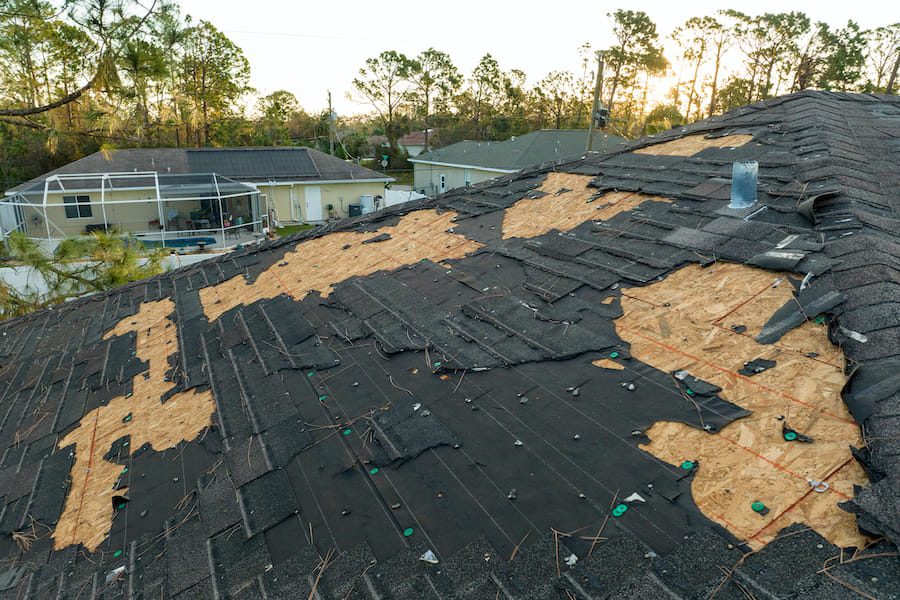
- Missing or lifted shingles from wind damage
- Hail impact marks that weaken roofing materials
- Damaged flashing around chimneys, vents, or roof edges
- Signs of water intrusion or interior leaks
- Hidden structural issues beneath the surface
In many cases, homeowners’ insurance may help cover repair or replacement costs depending on the cause of damage and policy coverage. A professional inspection is the best way to confirm the extent of damage and support any potential claim.
Cost Considerations: Repair vs. Replacement
Repairs usually cost less upfront, but repeated repairs over time can become more expensive than full replacement.
Repairs may be more cost-effective when:
- Damage is isolated
- Roof is relatively new
- No structural issues are present
Replacement may offer better long-term value when:
- Repairs are becoming frequent
- Damage is widespread
- Energy efficiency has declined
- Roofing materials are heavily deteriorated
The goal is not just to fix visible damage, but to protect the long-term performance of the entire roofing system.
Why Professional Inspections Matter
Many roofing issues are difficult to fully identify from the ground. Problems like moisture intrusion, flashing failure, and hidden structural deterioration often develop beneath the surface and can worsen over time if left unaddressed.
A professional inspection helps homeowners:
- Identify both visible and hidden roofing damage
- Understand the severity of existing issues
- Determine whether repair or replacement is the better long-term solution
- Avoid unnecessary repeat repairs on aging roofing systems
Professional evaluations provide a clearer understanding of the roof’s condition so homeowners can make more informed decisions about protecting their home and budget.
The Southern Home Services Difference
At Southern Home Services, we help homeowners make confident roofing decisions based on long-term performance, not short-term fixes. Our team evaluates the overall condition of the roofing system to determine whether repairs are practical or if replacement will provide better long-term protection and value.
We provide:
- Honest roof evaluations and recommendations
- Roof repair and full replacement services
- Asphalt shingle and cedar shake roofing systems
- GAF and CertainTeed roofing products
- Professional installation focused on durability and performance
Our goal is to help homeowners avoid unnecessary costs, protect their investment, and choose roofing solutions designed to perform reliably for years to come.
Schedule Your Roof Inspection Today
Choosing between roof repair and replacement is not always simple, but acting early can help prevent more extensive and expensive damage later.
Whether your roof has minor wear, storm damage, or signs of aging, the experts at Southern Home Services can help you assess your roof’s condition and recommend the best long-term solution.
Make a confident roofing decision with a team you can trust. Call 704-610-1969 or contact us online to schedule a professional roof inspection.
FAQ: Roof Repair vs. Replacement
How do I know if I need roof repair or roof replacement?
The decision depends on several factors, including roof age, extent of damage, leak frequency, and overall roof condition. Minor isolated issues may only require repairs, while widespread deterioration or recurring problems often indicate replacement is the better long-term solution.
What are signs my roof may need replacement?
Common signs include:
- Frequent leaks
- Missing or curling shingles
- Sagging roof sections
- Extensive storm damage
- Granule loss
- A roof nearing the end of its expected lifespan
When is roof repair usually enough?
Roof repair is often effective when damage is localized and the overall roofing system is still in good condition. Small leaks, limited storm damage, or a few missing shingles can often be repaired without full replacement.
Is it cheaper to repair a roof or replace it?
Repairs generally cost less upfront, but repeated repairs on an aging roof can become more expensive over time. In some cases, replacement offers better long-term value and protection.
How long does a typical roof last?
Roof lifespan depends on the material and installation quality:
- Asphalt shingles: typically 20–30 years
- Cedar shake roofing: approximately 20–40 years with maintenance
- Premium roofing systems: often longer with proper upkeep
Can storm damage require full roof replacement?
Yes. Severe hail, wind, or storm damage can compromise large portions of a roofing system, making replacement more practical than repeated repairs.
Why is a professional roof inspection important?
Professional inspections help identify hidden damage, moisture intrusion, flashing issues, and structural concerns that may not be visible from the ground.
Does homeowners' insurance cover roof repair or replacement?
In many cases, insurance may help cover storm-related roof damage depending on the cause of damage, policy terms, and inspection findings.
What roofing materials does Southern Home Services install?
Southern Home Services installs asphalt shingle roofing, cedar shake roofing, GAF roofing systems, CertainTeed roofing products, and other high-performance roofing solutions.
How can Southern Home Services help me decide between repair and replacement?
Our team provides professional inspections and honest evaluations to help homeowners determine whether repairs are sufficient or if replacement is the smarter long-term investment.
