
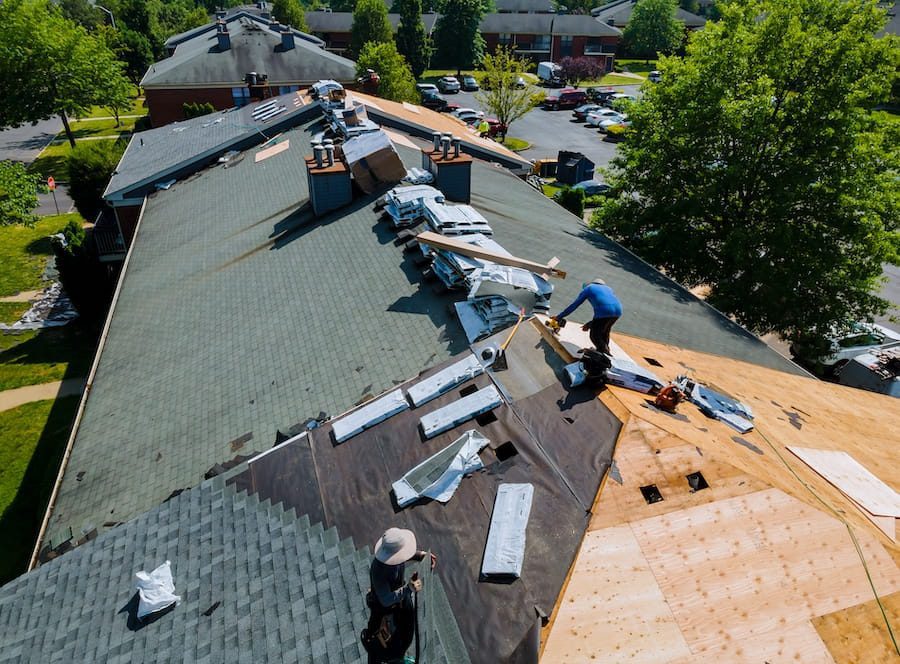
Quick answer: For most homeowners in the Charlotte area, fall (September through November) is the best time of year to replace a roof. Mild Piedmont temperatures between 45°F and 85°F let asphalt shingles seal properly, drier weather keeps the project on schedule, and your new roof is ready before winter. That said, the right time depends on the Carolina climate, your budget, and how much life your current roof has left. Below, we break down every season so you can decide with confidence.
Key takeaways
- Best overall season: Fall — ideal temperatures for shingle sealing and drier, more stable weather.
- Best for saving money: Late fall through winter (November–February), when demand and prices drop.
- Trickiest season here: Peak summer heat and spring’s severe-storm season.
- Watch the calendar: Spring (March–June) is prime hail and thunderstorm season in the Carolinas; late summer and fall can bring tropical downpours.
- The exception to every rule: If your roof is leaking or storm-damaged, the best time to replace it is now — waiting only costs more.
The short answer: why fall wins in the Carolinas
Asphalt shingles — the roof on the vast majority of Charlotte-area homes — need specific conditions to bond correctly. They seal best when daytime temperatures sit between 45°F and 85°F, which lets the factory adhesive strips warm up and lock each shingle down against wind. Fall in the Piedmont delivers exactly that: warm, sunny days without the punishing heat of July or the freeze risk of January.
Fall also lands in a sweet spot on the calendar. Spring’s hail and thunderstorm season has passed, the worst of the summer humidity has broken, and winter hasn’t arrived. That means fewer weather delays and a new roof that’s fully sealed and weather-tight before the first cold snap. If you’re planning a roof replacement, fall is the target most Charlotte homeowners should aim for.
The trade-off? Everyone else knows this too. Fall is peak season for roofing companies, so booking early matters. Below, we walk through all four seasons — including the two times of year most Charlotte homeowners overlook.
Season-by-season breakdown
Spring: good temperatures, but it’s storm season
Spring is the second-best window for a roof replacement in the Charlotte area. As winter cold lifts, temperatures climb back into the ideal range for shingle installation, and daylight hours grow longer, giving crews more working time.
The catch is that spring is the Carolinas’ most active period for severe thunderstorms, damaging wind, and hail — typically from March through June. Those systems bring the heavy rain that stalls roofing projects, and hail is one of the leading causes of roof damage in our region. Spring is also when many homeowners discover winter damage, so contractor calendars fill up fast in March and April.
Best for: Homeowners who want mild weather and can stay flexible if storms cause delays.
Summer: reliable, but the heat and humidity are real
Early summer is dependable — long, dry days and predictable weather make it easy to schedule and finish a roof. But deep-summer heat in the Piedmont creates real challenges. When rooftop temperatures climb into the 90s and beyond, asphalt shingles become soft and vulnerable to scuffing, and the adhesive can activate before shingles are perfectly aligned. Crews often start at sunrise and stop by early afternoon to protect both the material and their own safety, which can stretch a project across more days.
Charlotte’s humidity adds another layer, and late summer can bring heavy downpours from tropical systems moving inland off the Atlantic. Early summer (late May and June) tends to be the smarter half of the season — it’s often a slower booking period, which can mean better pricing and scheduling flexibility.
Best for: Homeowners who book early summer, before peak heat, and want a low chance of rain delays.
Fall: the sweet spot
Fall is the best time of year to replace a roof for most Charlotte homeowners, and it’s no accident that September is one of the busiest months for roofing companies. Temperatures settle into the ideal 45°F–85°F band, so shingles seal quickly and completely. Rain tapers off, humidity drops, and crews can work full, productive days.
There’s a practical bonus, too: sealing a roof in fall means it’s fully bonded and wind-resistant before winter weather arrives. Because demand peaks, prices can run higher and calendars book out weeks in advance — so if fall is your target, reach out in late summer to lock in a date.
Best for: Almost everyone. The only downside is higher demand and cost.
Winter: cheapest season — and often workable in Charlotte
Winter is where the Carolinas diverge from the rest of the country. In northern states, snow, ice, and sustained sub-40°F temperatures make winter the worst — and sometimes impossible — season for roofing. Charlotte winters are milder: many days land in the 45°F–60°F range, which is perfectly workable for a new roof.
That opens a real opportunity. Winter is the slow season, so roofing companies often have shorter wait times, more scheduling flexibility, and better pricing — sometimes their lowest of the year. The key is that the Piedmont still gets genuine cold snaps and the occasional ice storm. On mornings below 40°F, shingles turn brittle and their adhesive won’t seal until temperatures rise, so an experienced local crew will time the work around warmer, dry days.
Best for: Budget-focused homeowners who can be a little flexible on timing.
Season comparison at a glance
| Season | Weather for install | Typical cost | Availability | Best for |
|---|---|---|---|---|
| Spring | Good temps, hail & storm risk | Moderate–high | Filling up fast | Flexible homeowners |
| Summer | Hot & humid; early summer best | Moderate | Good in early summer | Rain-free scheduling |
| Fall | Ideal | Highest | Books out early | Almost everyone |
| Winter | Workable on mild days | Lowest | Widest, fastest | Saving money |
The Carolina climate factor
Generic “best season” advice written for the whole country doesn’t quite fit Charlotte, because the Piedmont climate plays by its own rules. Three factors matter most.
Heat and humidity. Carolina summers are long, hot, and humid. That extends the window where extreme heat complicates shingle installation, and it’s a big reason fall and mild winter days are so valued here.
Spring hail and severe storms. The Charlotte region sees its most active hail, wind, and thunderstorm period in spring. Hail is one of the leading causes of sudden roof damage and insurance claims locally, which is why many Carolina roof replacements happen in late spring and summer — homeowners are repairing what spring storms tore up.
Tropical downpours in late summer and fall. Charlotte sits inland, so a direct hurricane hit is rare, but the remnants of Atlantic systems regularly push heavy rain and gusty wind into the Piedmont. The Atlantic hurricane season runs June 1 through November 30 and peaks in late summer, so a fully sealed, storm-ready roof is exactly what you want heading into that stretch.
The takeaway: in the Carolinas, the calendar isn’t just about temperature. It’s about getting ahead of the storms, not chasing them.
The science: why temperature decides everything
Asphalt shingles have a strip of heat-activated adhesive on the back. After installation, the sun warms that strip until it softens and bonds each shingle to the one below — creating the wind-tight seal that protects your home. This is why temperature is the single most important factor in timing a roof replacement. Leading manufacturers like GAF engineer their asphalt shingles around this thermal-sealing process.
- Below ~40–45°F: Shingles become stiff and brittle, more likely to crack when nailed, and the adhesive won’t activate. Shingles installed in cold weather may not seal until warmer days return — leaving them vulnerable to wind in the meantime. Manufacturer warranties often won’t cover blow-offs on shingles that never sealed.
- 45°F–85°F (the sweet spot): Shingles stay flexible, seal reliably, and crews work efficiently.
- Above ~90°F: Shingles soften, scuff easily under foot traffic, and can seal prematurely before alignment — which is why summer crews start early and work in the cooler hours.
A skilled roofing contractor can install in less-than-ideal conditions using proper techniques (hand-sealing, adjusted nailing, staging around the weather), but the closer you get to that 45°F–85°F range, the smoother and more durable the result.
When the “best time” is right now
All of this seasonal strategy assumes you have the luxury of planning ahead. Sometimes you don’t — and that’s okay. If any of the following is true, the best time to replace your roof is as soon as possible, regardless of season:
- Your roof is actively leaking or water is staining your ceilings.
- Shingles are missing, curling, or scattered across your yard after a storm.
- You can see daylight or sagging in your attic.
- A professional inspection found widespread damage or a failing roof deck.
A compromised roof only gets worse — and more expensive — the longer it waits. Water intrusion damages insulation, drywall, framing, and can lead to mold. If the damage is limited, a targeted roof repair may buy you time to plan a replacement for the ideal season. Not sure which you need? Our guide on roof repair vs. replacement walks through how to tell. Either way, if your roof is failing, don’t wait for the “perfect” month.
How to time your replacement to save money
If your roof still has some life left and you’re planning ahead, timing can meaningfully lower your cost. A few strategies:
- Book in the off-season. Late fall through winter (roughly November–February) is the slow season for most Charlotte roofers. Lower demand often means better pricing and faster scheduling. Early summer (late May–June) can offer a similar lull.
- Get ahead of the rush. Prices and wait times spike right after major storms and during peak fall. Planning a few months out gives you negotiating room and your pick of dates.
- Schedule the estimate early. Even if you want a fall install, get inspected and quoted in mid-to-late summer to lock your spot before calendars fill.
- Spread out the cost. A new roof is a major investment, and you don’t have to pay for it all at once. Flexible financing options can make it easier to move on a replacement at the right time rather than waiting for damage to force your hand.
For context, a typical roof replacement in the U.S. averages around $9,400, and commonly runs between $6,000 and $13,000 depending on your home’s size, roof pitch, and materials. Off-season timing won’t change the biggest cost drivers, but it can shave a meaningful amount off labor and give you more room to negotiate.
Don’t forget the permit
In the Charlotte area, replacing a roof generally requires a building permit. Permitting and inspections for most of the region are handled through Mecklenburg County Code Enforcement, which helps ensure the work meets North Carolina building code. A reputable, licensed contractor will pull the required permit for you and schedule the inspection as part of the job — so this shouldn’t add to your to-do list, but it’s worth confirming your roofer handles it. Permitting steps can also add a little lead time, which is one more reason to plan ahead rather than scramble after a storm.
Related questions Charlotte homeowners ask
How long does a roof replacement take?
Most residential roof replacements take one to three days for an average-size home in good weather. Larger homes, steep pitches, multiple layers to tear off, or bad weather can extend that. This is another reason season matters — fall and mild winter days let crews finish quickly, while summer heat and winter cold can stretch the timeline.
How often do you need to replace a roof?
It depends on the material. A standard asphalt shingle roof typically lasts 20 to 30 years, though intense Carolina sun, heat, and storms can shorten that. Architectural (dimensional) shingles last longer than basic 3-tab shingles, and metal or tile roofs can last 40–50+ years. If your roof is approaching the 20-year mark, it’s smart to start planning.
Can you replace a roof in winter in Charlotte?
Yes — and it’s often the best-kept secret for saving money. Charlotte winters are usually mild enough for proper shingle installation on days above 45°F, and you’ll typically find shorter wait times and better pricing. Just work with a contractor who knows how to time the work around our occasional cold snaps and ice storms.
How to choose the right roofing contractor
The best season in the world won’t save a bad installation. When you’re ready, look for a licensed, insured, local contractor with strong reviews, manufacturer-backed products and warranties, and a clear written estimate. A reputable roofer will inspect your roof honestly, tell you whether a repair will do, pull the proper permit, and help you time the replacement for the best combination of weather and value. For a full checklist, see our guide on how to find a roofing contractor in Charlotte.
At Southern Home Services, we help homeowners across the Charlotte, NC area plan roof replacements around our climate — not against it. Whether you’re getting ahead of spring storm season or hunting for the best off-season value, we’ll give you a straight answer and a free, no-pressure inspection.
Ready to plan your roof replacement? Schedule your free roof inspection today »
Frequently asked questions
What is the best time of year to replace a roof in Charlotte, NC?
For most Charlotte-area homeowners, fall (September–November) is the best time to replace a roof, thanks to mild 45°F–85°F temperatures that let shingles seal properly and drier, more stable weather that keeps the project on schedule. Winter is the best time for saving money, since it’s the slow season for local roofers.
What is the cheapest time of year to replace a roof?
Late fall through winter (November–February) is typically the cheapest time to replace a roof in the Charlotte area. It’s the slow season for roofing companies, so lower demand often means better pricing, discounts, and faster scheduling. Early summer can offer smaller savings, too.
Is it OK to replace a roof in the summer?
Yes, but early summer is better than peak summer. Extreme Carolina heat can soften asphalt shingles and force crews to work only in the cooler morning hours, which can stretch the project across more days. Late May and June often bring better pricing and fewer delays than July and August.
Can you install a roof in cold weather?
Asphalt shingles install best above 45°F. Below about 40°F they become brittle and their adhesive won’t seal until temperatures rise, which can leave them vulnerable to wind. Most Charlotte winter days are mild enough for installation, and experienced crews time the work around cold snaps and ice.
How long does it take to replace a roof?
Most average-size homes take one to three days in good weather. Larger or steeper roofs, multiple tear-off layers, and poor weather can extend the timeline.
Do I need a permit to replace my roof in Charlotte?
Yes. Replacing a roof in the Charlotte area generally requires a building permit through Mecklenburg County Code Enforcement. A licensed contractor will pull the permit and schedule the required inspection as part of the project.
