
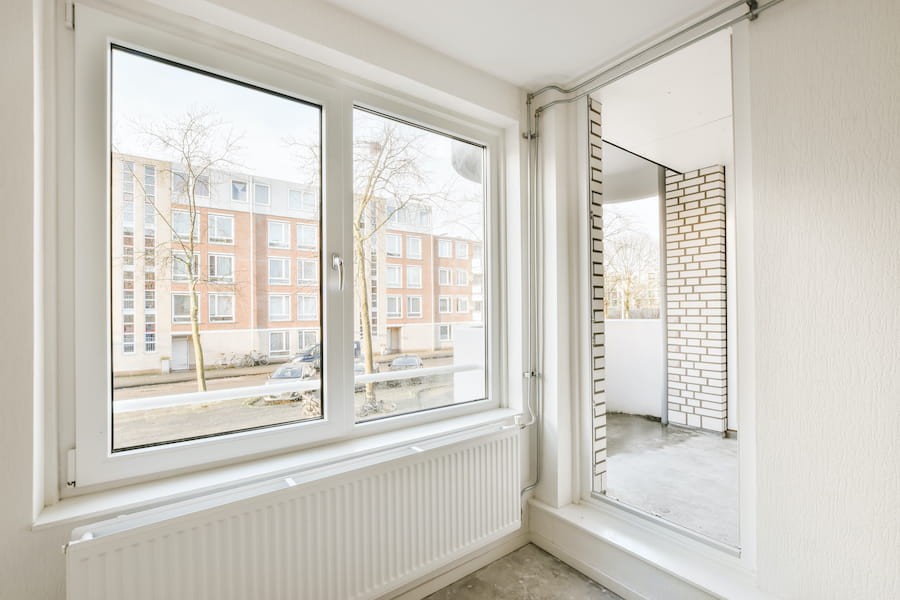
Casement windows have become a popular choice for homeowners who want their windows to do more than simply let in light. Their clean lines work well with both modern and traditional architecture, their wide-opening design makes it easy to bring in fresh air, and their tight seal can support strong energy performance.
Unlike double-hung or sliding windows, casement windows are hinged on one side and open outward, usually with a crank. That simple difference changes the way they function. You get a broad, uninterrupted view, flexible ventilation, and a window that can be easier to operate in places like kitchens or above counters. At the same time, the outward swing means placement matters, especially near patios, walkways, and landscaping.
At Southern Home Services, we’ve helped homeowners throughout Greater Charlotte make informed exterior renovation decisions since 2001. In this guide, we will break down the most important casement window pros and cons, compare them with other popular window styles, and help you decide whether their blend of style, functionality, and energy-efficiency potential makes sense for your home.
If you’re planning a window replacement project, get guidance you can trust. Connect with our team today at (704) 531-2122 or contact us online to explore window styles, materials, glass packages, and performance options that fit your home and priorities.
What Is a Casement Window?
A casement window is hinged along one vertical side and opens outward, usually with a crank or similar operating mechanism. Because the entire sash swings open, casement windows can provide generous ventilation and a broad, unobstructed view. When closed, the sash presses firmly against the frame and weatherstripping, which can also help create a tight seal.
That combination of airflow, visibility, and performance makes casement windows a popular choice in several areas of the home, including:
- Above kitchen sinks
- In bedrooms and living spaces
- Beside picture windows
- In pairs for larger openings
- In modern or contemporary window layouts
They’re also available in several common frame materials, including vinyl, fiberglass, and wood, so homeowners can choose an option that fits their priorities for style, maintenance, and energy efficiency.
7 Advantages of Casement Windows
Casement windows are popular because they combine clean design, practical operation, and strong performance. Their side-hinged sash creates benefits you won’t get from every window style, especially when it comes to airflow, views, and ease of use.
1. Excellent Ventilation
One of the biggest advantages of casement windows is ventilation. Because the entire sash swings outward, the opening can capture more fresh air than many sliding styles. Depending on the direction of the breeze, the open sash may even help guide air indoors.
That makes casement windows especially useful in kitchens, bedrooms, and living spaces where airflow matters.
2. Clear, Expansive Views
Casement windows typically use one large sash instead of two overlapping sections, so there isn’t a horizontal meeting rail across the center of the glass.
As a result, you get a cleaner, more open view. This can be especially appealing if your home overlooks a backyard, garden, or wooded property. Casements also pair well with picture windows when you want a larger glass area without giving up ventilation.
3. Strong Energy-Efficiency Potential
Casement windows can also perform well from an energy-efficiency standpoint. When closed, the sash presses against the weatherstripping around the frame, which can help create a tight seal and reduce unwanted air leakage.
That said, window style is only part of the equation. The U.S. Department of Energy notes that performance also depends on factors such as U-Factor, Solar Heat Gain Coefficient (SHGC), glazing, frame material, climate, and air leakage.
So while casement windows can be a strong starting point, you’ll still want to compare the ratings of the specific product you’re considering.
4. Convenient Operation in Hard-to-Reach Areas
Casement windows are also practical in places where lifting a sash would be awkward.
For example, a window above a kitchen sink or counter can be difficult to reach directly. Since many casement windows operate with a crank, you don’t have to lift the sash by hand.
5. Flexible Ventilation Control
Another benefit is control. Casement windows don’t have to be fully open to let in fresh air.
You can crack the sash slightly for a gentle breeze or open it farther when you want more ventilation. That flexibility can be especially useful during mild spring and fall weather.
6. Versatile Design Options
Casement windows are often associated with modern homes, but they aren’t limited to contemporary architecture.
Their clean lines suit modern designs, while grille patterns, frame materials, finishes, and hardware can give them a more traditional look. You can also use a single casement in a narrow opening, install two side by side for symmetry, or pair them with fixed windows to create a larger focal point.
7. Interior Screens Stay Protected
Because casement windows open outward, the screen is usually installed on the interior side.
That keeps it out of the way of the sash and offers some protection from direct exposure to outdoor weather.
5 Disadvantages of Casement Windows
Casement windows offer plenty of benefits, but they won’t be the right fit for every opening. Before you use them throughout your home, it’s worth considering a few practical limitations.
1. They Need Exterior Clearance
Because casement windows swing outward, they need open space outside the home.
That can make them less practical next to:
- Walkways
- Decks
- Patios
- Porches
- Dense landscaping
- Other high-traffic areas
An open sash can become an obstacle or be more vulnerable to accidental impact. That’s one of the biggest differences between casement and double-hung windows, since double-hung sashes stay within the frame instead of projecting outward.
2. They Have More Moving Parts
Casement windows rely on hinges, locks, and an operating mechanism, so there are more mechanical components than you’d find in a fixed window.
Good-quality hardware can last for years, but it may eventually need adjustment, maintenance, or replacement. That’s why it’s worth comparing hardware quality and warranty coverage along with the frame and glass.
3. Open Sashes Are More Exposed to Wind
When a casement window is open, the sash extends away from the house and is more exposed to strong winds.
You’ll want to close casements during severe weather so the sash, hinges, and operating hardware aren’t placed under unnecessary stress.
4. Placement Takes More Planning
Casement windows need enough room to swing freely, so nearby landscaping and exterior features matter.
Shrubs, shutters, railings, or architectural details can interfere with the sash. Before choosing a casement, think about what’s outside the window as well as what you’ll see from inside.
5. Cleaning Convenience Varies
Casement windows can be easy to clean in some situations, but that isn’t true for every model.
Accessibility depends on the sash size, opening angle, design, and location. By comparison, many modern double-hung windows have tilt-in sashes that make both sides of the glass easier to reach from indoors.
If easy maintenance is a priority, it’s worth testing how the specific casement window operates before you choose it.
Casement Windows vs. Double-Hung Windows
For many homeowners, the real question isn’t whether casement windows are a good choice. It’s whether they make more sense than another popular option, such as double-hung windows.
The biggest difference comes down to how they open. Double-hung windows have two sashes that slide vertically, while casement windows use a single sash that swings outward. That difference affects ventilation, views, cleaning, and where each style works best.
Here’s the practical comparison:
| Feature | Casement Windows | Double-Hung Windows |
| Opening | Swings outward | Slides vertically |
| Ventilation | Large opening and directional airflow | Top, bottom, or both sashes can provide airflow |
| View | Typically more uninterrupted glass | Horizontal meeting rail divides the view |
| Operation | Usually crank-operated | Sashes lift and lower |
| Exterior clearance | Required | Not required |
| Hard-to-reach areas | Often convenient | Can be harder to operate |
| Cleaning | Varies by model | Tilt-in models can be very convenient |
| Style | Clean, streamlined appearance | Classic, familiar appearance |
Neither is universally better.
A casement may make sense above a kitchen sink where reaching and lifting a sash would be inconvenient. A double-hung window may work better beside a patio or walkway where an outward-opening sash would get in the way.
Many homes benefit from using different window styles in different rooms rather than selecting one style for every opening.
Where Do Casement Windows Work Best?
Casement windows are most effective in spaces where their wide opening, clear views, and easy operation can really shine. The key is choosing locations where you can take advantage of those benefits without the outward swing getting in the way.
Above Kitchen Sinks
Casement windows are a natural fit above kitchen sinks and counters because a crank is often easier to reach than a sash you have to lift.
They also give you a broad view while making it simple to bring fresh air into the kitchen.
Living Rooms and Family Rooms
In living spaces, casements work well when you want plenty of natural light without giving up ventilation.
A pair of casement windows can also create a balanced, symmetrical look in a larger opening while keeping the view open and bright.
Bedrooms
Casement windows can be a good choice for bedrooms because they provide generous ventilation and clear sightlines.
If the window is intended to serve as an emergency escape opening, make sure the size and configuration meet applicable building-code requirements.
Beside Picture Windows
If you like the expansive look of a picture window but still want fresh air, casement windows can be placed on one or both sides.
That combination gives you a large focal point with plenty of glass while keeping part of the opening operable.
Where Might Casement Windows Not Be the Best Choice?
Casement windows are highly functional, but their outward swing can be a drawback in areas with limited exterior space or frequent foot traffic.
Another window style may be more practical when the opening is next to a:
- Narrow walkway
- Frequently used deck
- Patio seating area
- Porch
- Exterior staircase
- Heavily landscaped area
Because the sash projects outward when opened, it can become an obstacle or be more exposed to accidental contact. Pella also notes that casement windows may not be ideal in high-traffic exterior areas for this reason.
That’s why it’s often better to choose replacement windows room by room and location by location instead of using the same style throughout the entire home.
Why Trust Southern Home Services When Choosing Casement Windows?
Choosing the right casement window takes more than comparing styles. Since 2001, Southern Home Services has helped Greater Charlotte homeowners evaluate replacement windows based on performance, durability, design, and long-term value.
When we help homeowners compare casement windows, we look closely at:
- Frame material: Vinyl, fiberglass, and aluminum-clad windows each offer different benefits for efficiency, maintenance, durability, and appearance.
- Glass package: Low-E coatings, pane count, insulating gas, and other upgrades can influence comfort and performance.
- Performance ratings: U-Factor, SHGC, and air leakage ratings help compare products more objectively.
- Hardware quality: Cranks, locks, and hinges should feel smooth, secure, and durable.
- Warranty coverage: Strong product and installation warranties can provide added long-term protection.
- Installation quality: Even a high-performing window can fall short if it isn’t properly sized, flashed, sealed, and installed.
Southern Home Services also offers trusted product lines, including Pella windows and SoftLite windows, so homeowners can compare materials, styles, and performance features before deciding what fits their home best.
Because we offer a broad range of replacement window options, our goal is to help you understand the differences and choose a solution that makes sense for your home, rather than pushing every project toward the same product.
Make the Most of Your Window Replacement
Casement windows can be an excellent choice when you want more airflow, broader views, and easy operation, especially in kitchens, living spaces, and other areas where those benefits really matter. But because they swing outward, the best results come from choosing them selectively and pairing them with the right frame material, glass package, and placement for your home.
If you’re considering replacement windows, Southern Home Services can help you look beyond the style alone and evaluate what will actually work best in each opening. Call (704) 531-2122 or contact us online to schedule a window consultation and get expert guidance on casement windows, alternative styles, materials, and performance options for your home.
FAQ: Casement Window Pros and Cons
Q: What is the biggest advantage of casement windows?
Ventilation is one of their biggest advantages. Because the entire sash can swing outward, casement windows create a large opening for airflow while also providing relatively unobstructed views.
Q: What is the biggest disadvantage of casement windows?
They require exterior clearance. The open sash projects away from the house, which can make casements less practical next to busy walkways, decks, patios, or other areas where people regularly pass close to the window.
Q: Are casement windows more energy efficient than double-hung windows?
Casement windows can create a tight seal when closed, but window style alone does not determine energy efficiency. Compare the specific products’ U-Factor, SHGC, air leakage, glazing, frame construction, and ENERGY STAR certification rather than assuming one style will always outperform another.
Q: Are casement windows good for kitchens?
Yes. They are especially popular above kitchen sinks because a crank or similar operator can be easier to use across a countertop than a sash that must be lifted by hand.
Q: Can casement windows have screens?
Yes. Because casement windows swing outward, screens are typically positioned on the interior side of the window.
Q: Do casement windows work with traditional homes?
Yes. Although their large glass area can complement contemporary architecture, casements are available with different frame materials, finishes, grille patterns, and hardware that can work with traditional home styles as well.
Q: Are casement windows worth it?
That depends on the opening and your priorities. They can be particularly appealing when you value ventilation, open views, convenient operation, and strong energy-performance potential. If the window is beside a walkway or another area without enough exterior clearance, a different operating style may be more practical.
Related Topics
