
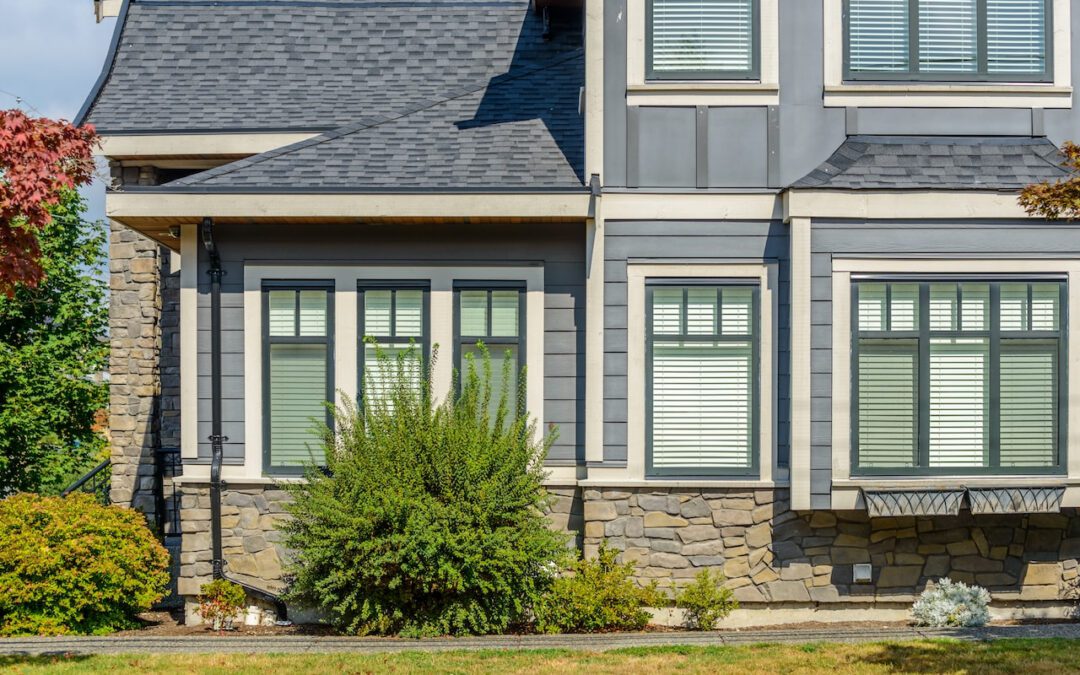
Planning to upgrade the windows in your home?
Learning how to measure windows for replacement can help you understand your project, compare window options, and get a more accurate starting point for quotes. However, window measurements need to be precise, and even windows that look identical may have slightly different dimensions.
If you’re replacing windows in the Charlotte area, SHS Pros can help you through the entire process.
Our team provides professional window replacement with options including vinyl, wood, aluminum-clad, and fiberglass windows. Get a free window replacement quote from SHS Pros to have your measurements and project needs professionally evaluated.
What You Need to Measure Replacement Windows
Before you start, gather a few basic tools. You don’t need a complicated collection of equipment to take preliminary measurements.
You’ll need:
- A steel tape measure
- Paper or a phone for recording measurements
- A pencil
- A calculator, if needed
- A helper for larger windows
A helper can make the process easier, especially when measuring wide windows. One person can hold the tape while the other records the measurement.
It is also important to measure every window individually. Two windows in the same room may not have exactly the same dimensions.
Understand the Parts of a Window
Knowing a few basic window terms can make the measuring process easier.
- Jambs: The vertical portions of the window frame on either side of the opening.
- Sill: The horizontal portion at the bottom of the window.
- Head: The horizontal portion at the top of the window frame.
- Sash: The part of the window that holds the glass and may move when the window opens.
These terms are commonly used when discussing window measurements and replacement products.
How to Measure Windows for Replacement
For most standard replacement windows, you’ll want to record the width and height of the existing window opening.
How to Measure Window Width
Start by measuring the width of the window opening.
From inside your home, measure horizontally from one side jamb to the other. Take measurements at three different locations:
- Across the top
- Across the middle
- Across the bottom
Write down all three measurements.
If the measurements are different, the smallest measurement is generally the most useful measurement for ordering a replacement window. This accounts for openings that may not be perfectly square or uniform.
Example:
- Top: 35 ¾ inches
- Middle: 35 ⅝ inches
- Bottom: 35 ½ inches
In this example, the smallest width is 35 ½ inches.
Don’t assume you can use the measurement from a nearby window. Record the measurements for each opening separately.
How to Measure Window Height
Next, measure the height of the window opening.
Take three vertical measurements:
- Left side
- Center
- Right side
Measure from the appropriate sill surface up to the top of the window opening.
Again, record all three measurements and use the smallest measurement when appropriate for the replacement window being ordered. This helps account for variations in the existing opening.
Example:
- Left: 59 ⅝ inches
- Center: 59 ½ inches
- Right: 59 ¾ inches
The smallest measurement is 59 ½ inches.
Always follow the measurement requirements provided by the window manufacturer or installer because the exact procedure can vary depending on the window style and replacement method.
Should You Measure Window Depth?
Sometimes, yes.
Depth can be important when determining whether a particular replacement window will work with the existing opening.
This measurement can be more complicated because existing windows may contain stops, tracks, parting strips, or other components that affect what should be measured.
Because of this, depth is one measurement that is especially worth confirming with your window professional before ordering.
If you’re unsure which surfaces to measure, don’t guess. An incorrect depth measurement can create problems when selecting a replacement window.
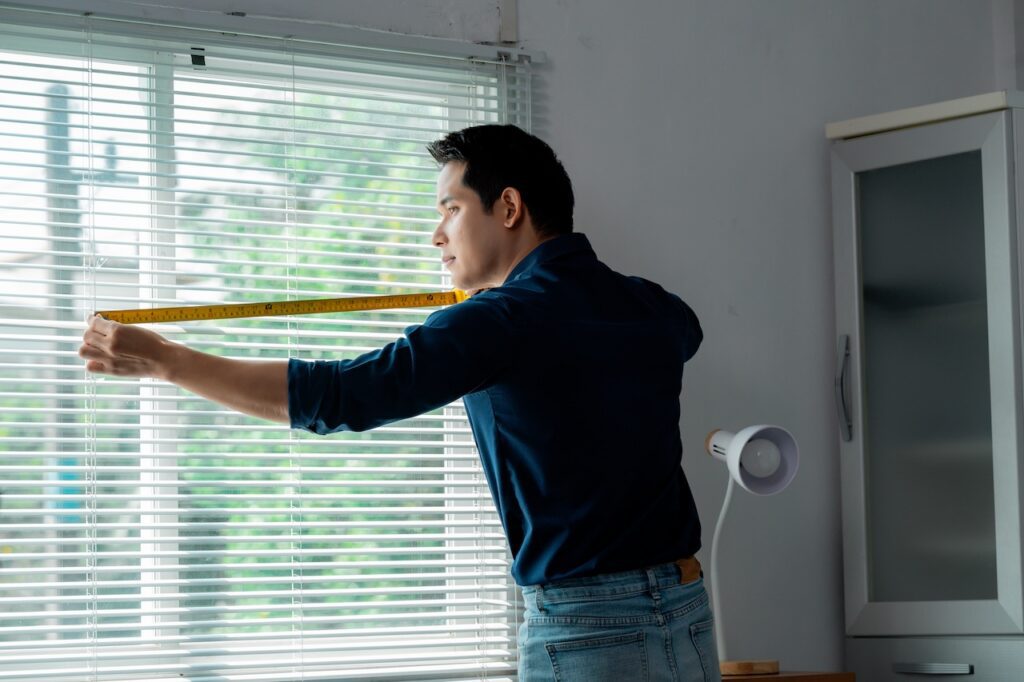
How to Measure Windows for Replacement Without Making Common Mistakes
Taking a few extra minutes during the measuring process can help prevent mistakes.
Don’t Measure Just One Window
One of the most common mistakes is assuming every window in a home is the same size.
Even windows that appear identical can have differences in their openings. Measure each window separately and label the measurements according to its location.
For example:
- Living room — Window 1
- Living room — Window 2
- Primary bedroom — Window 1
- Kitchen — Window 1
This makes it much easier to keep your measurements organized when you’re comparing replacement window options.
Don’t Measure the Glass Only
When you’re learning how to measure windows for replacement, remember that you’re generally concerned with the appropriate window opening or frame dimensions.
Measuring only the glass can give you a number that doesn’t accurately represent the size needed for the replacement unit.
Don’t Round Measurements Too Early
Record your measurements as precisely as your tape measure allows.
Instead of immediately writing down “36 inches,” you may want to record the actual measurement, such as 35 ⅝ inches. Your installer or window manufacturer can then determine the appropriate ordering dimensions.
Measure Twice
A second measurement is a simple way to catch an accidental mistake.
After recording the width and height, measure them again. If the numbers don’t match, stop and determine why before moving forward.
What If Your Window Opening Isn’t Square?
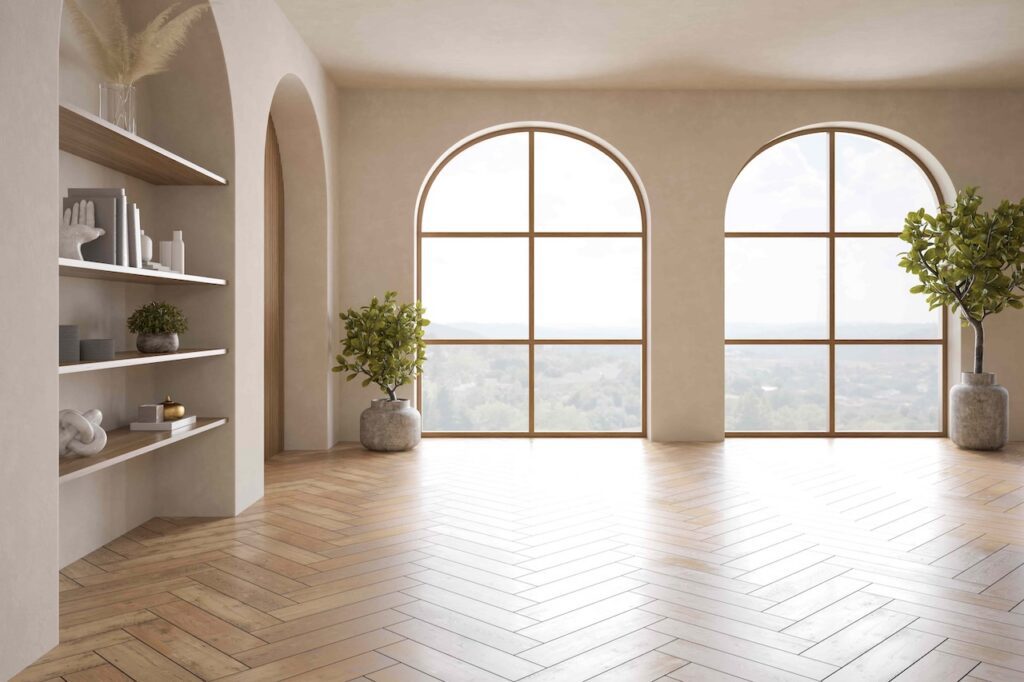
Older homes and even newer homes can have window openings that aren’t perfectly square.
This is one reason taking measurements at multiple points is important. If the top, middle, and bottom widths differ, or the three height measurements don’t match, don’t automatically assume you measured incorrectly.
The variation may reflect the actual opening.
A professional installer can evaluate the opening and determine how the replacement window should be sized and installed. This is particularly important when the opening has noticeable irregularities, signs of water damage, or structural concerns.
Does Window Style Affect How You Measure?
Yes.
The basic principles of measuring width and height apply to many standard windows, but the details can vary depending on the type of window and installation.
Common window styles include:
- Double-hung
- Single-hung
- Casement
- Sliding
- Picture
- Bay
- Bow
- Awning
SHS Pros offers several window styles, including double-hung, casement, sliding, picture, bay, bow, and specialty-shaped windows.
Window design, frame materials, glazing, gas fills, spacers, and operating style can all influence a window’s performance.
Specialty windows—such as bay, bow, arched, or unusually shaped windows—may require additional measurements and professional evaluation.
What to Do With Your Replacement Window Measurements
Once you’ve measured your windows, don’t immediately order replacement units based solely on your numbers.
Use your measurements as a starting point for conversations with your contractor or window supplier.
Your measurements can help you:
- Estimate the scope of your project
- Compare potential window sizes
- Prepare for a consultation
- Organize your replacement project
- Get a general idea of what you’ll need
However, the final measurements used to manufacture or order replacement windows should be confirmed by the appropriate professional.
SHS Pros’ window replacement process includes an installer visit to confirm measurements and review the scope of work before the project moves forward.
That extra verification is important because the measurement isn’t the only factor that determines whether a replacement window will fit properly.
What Else Should You Consider When Replacing Windows?
Getting the measurements right is only the beginning. You’ll also need to consider the window’s material, glass, style, energy performance, appearance, and installation requirements.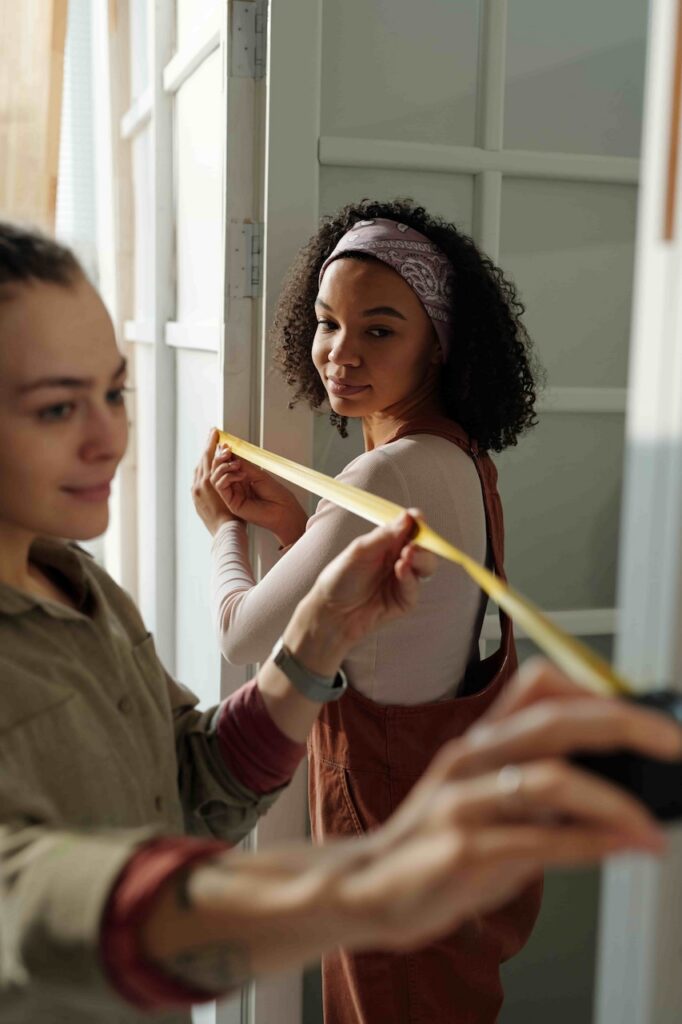
Think About Window Materials
Replacement windows are available in several materials, including vinyl, wood, fiberglass, and aluminum-clad options.
Each material has different characteristics related to appearance, maintenance, durability, insulation, and price.
The Department of Energy notes that frame material can affect a window’s overall thermal performance, while glazing is also an important factor in energy efficiency.
If you’re unsure which material is right for your home, a professional can help you compare the options based on your goals and budget.
Think About Installation, Not Just the Window
A high-quality window still needs to be installed correctly.
Proper installation helps the window perform as intended and can help prevent issues involving drafts, water intrusion, or poor operation.
That’s why it’s important to consider the contractor as carefully as the product itself.
When Should You Have a Professional Measure Your Windows?
DIY measurements can be useful for planning, but professional measurements are recommended before ordering replacement windows.
Consider having a professional handle the measurements if:
- Your windows are unusually shaped.
- The opening appears uneven or damaged.
- You aren’t sure where to measure.
- You’re replacing several different window styles.
- You suspect water damage around the frame.
- You are changing the size or configuration of a window.
- You’re ordering custom windows.
A professional can evaluate more than the width and height. They can also identify installation challenges, inspect the existing opening, and determine what products are appropriate for the project.
This is particularly helpful because replacement windows are often made to specific opening dimensions.
A Simple Window Measurement Checklist
Before your consultation, make sure you have:
- Width measured at the top, middle, and bottom
- Height measured at the left, center, and right
- Measurements recorded for every window
- Each window labeled by location
- Any unusual conditions noted
- Photos of windows that have visible damage or unusual construction
Remember that these measurements are a starting point. Your window professional should verify the dimensions before the final order is placed.
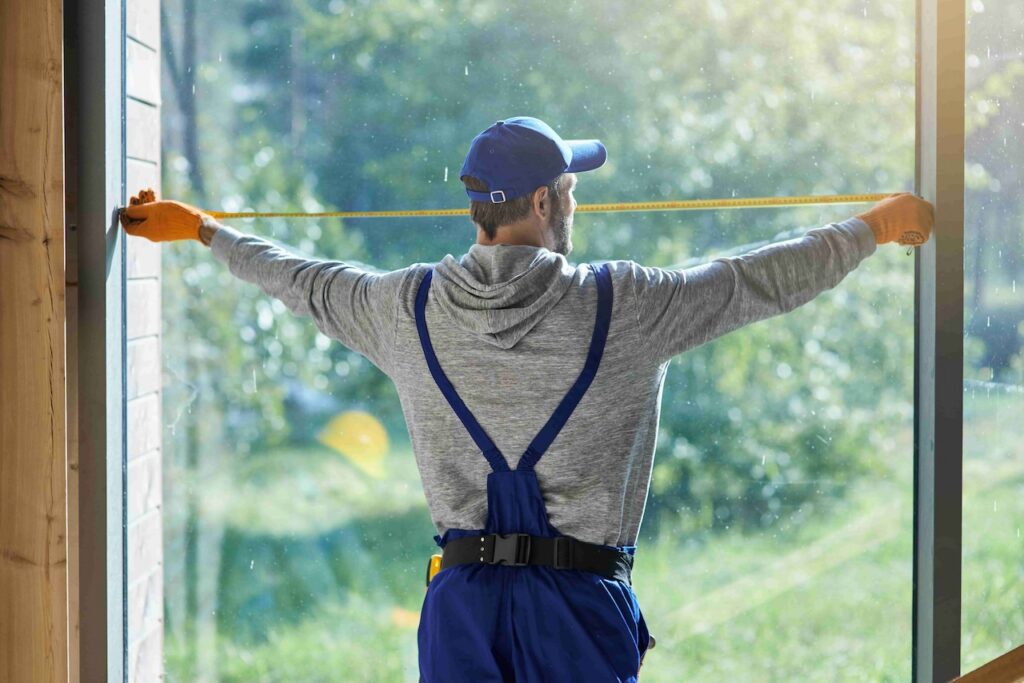
Get Professional Help With Your Window Replacement
Knowing how to measure windows for replacement can help you feel more prepared when planning a home improvement project, but accurate measurements are only one part of a successful window installation.
From choosing the right window style and material to evaluating energy efficiency and confirming final dimensions, there are several decisions that can affect your finished project.
If you’re a homeowner in Charlotte or the surrounding area, SHS Pros can help you navigate the process from product selection through installation. Our team offers a range of replacement window options and provides professional measurements to help ensure your new windows are properly fitted.
Ready to replace your windows? Contact SHS Pros today online or call 704-531-2122 for a free quote and take the next step toward more comfortable, attractive, and energy-efficient windows.
Frequently Asked Questions About Measuring Replacement Windows
What measurements do I need for replacement windows?
For most standard replacement windows, you’ll need the width and height of the existing window opening. Depending on the window and installation method, you may also need to measure the depth.
Should I measure the window frame or the glass?
Generally, you should not measure only the visible glass. Replacement window measurements are based on the appropriate dimensions of the existing opening or frame. The exact measurement method can vary depending on the window and replacement application.
Can I replace a window with a different size?
Sometimes. Changing the size of a window can involve modifying the existing opening, which may affect the wall structure, exterior siding, interior trim, and installation process. A professional should evaluate the opening before changing the window size.
How much does window replacement cost?
The cost depends on factors such as the number of windows, window size, style, material, glass options, and installation requirements. For an accurate estimate based on your home, contact SHS Pros for a free quote.
Related Topics
-
Window Guide: Tips from Your Local Window Contractor in Charlotte, NC
-
Window Replacement Myths and What to Know About Upgrading Your Windows
- Casement Window Pros and Cons: Are They Right for Your Home?
