
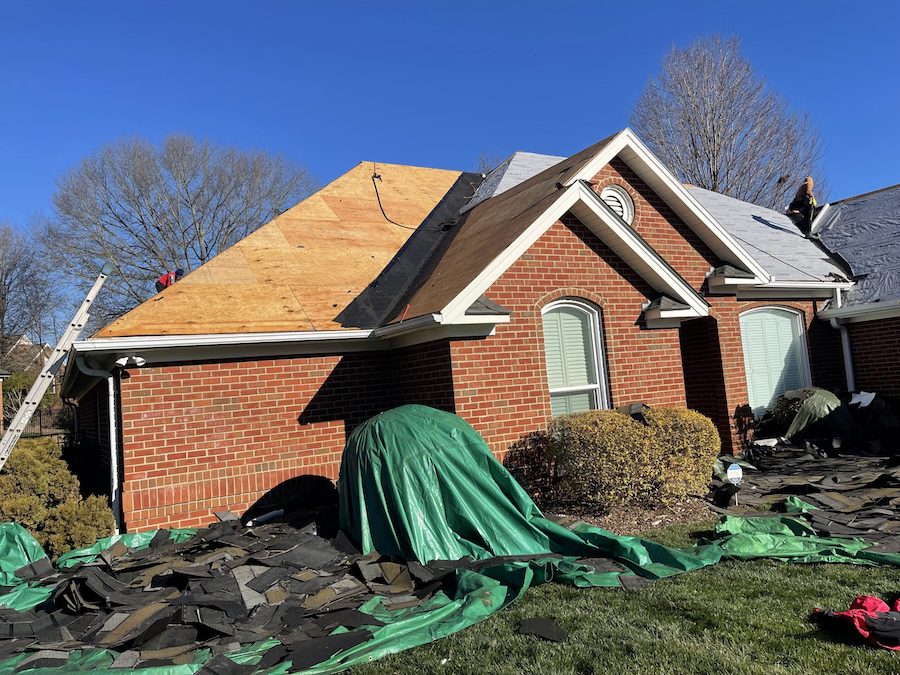
Once you know your roof needs to be replaced, one of the first questions is usually: How long is my house going to be a construction zone?
For many homes, the active installation is shorter than homeowners expect. A straightforward asphalt-shingle roof can often be replaced in about one to three days, but the full timeline depends on much more than square footage. Roof pitch, architectural complexity, weather, material choice, access, and the condition of the roof deck can all affect how quickly the project moves.
At Southern Home Services, we’ve helped Greater Charlotte homeowners protect and improve their homes since 2001. With decades of exterior renovation experience, we understand how to evaluate the factors that influence a roof replacement schedule and how to set realistic expectations before work begins.
This comprehensive guide explains how long a roof replacement takes from start to finish, what happens during each phase of installation, which issues can add time, and how to prepare for a smoother project. If you’re considering a new roof, call (704) 531-2122 or contact us online to schedule a consultation and get a project timeline based on your specific home.
How Long Does It Take to Replace a Roof?
For many homes, a standard asphalt-shingle roof replacement takes about one to three days of active installation. That’s a useful benchmark, but it shouldn’t be treated as a fixed promise.
A smaller, straightforward roof with easy access and sound decking may move quickly. A larger, steeper, or more complex roof with multiple valleys, dormers, chimneys, skylights, or hidden water damage can take longer.
The best timeline is always based on the actual roof, not a generic average. A professional inspection gives the contractor a clearer picture of the size, complexity, access, existing condition, and potential problem areas that could affect the schedule.
Installation Time vs. the Full Project Timeline
When a roofer says your replacement should take two days, they’re usually referring to the construction period, not the time between your first consultation and the finished roof.
Before installation begins, the project may involve:
- Inspecting and measuring the roof
- Confirming that replacement is appropriate
- Selecting shingles and colors
- Preparing and approving the estimate
- Ordering materials
- Scheduling the crew
- Monitoring the weather
- Preparing the property
So if your installation is expected to take two days but is scheduled several weeks out, those timelines aren’t conflicting. The active installation and the full project schedule are two different things.
What Happens During Roof Replacement?
Understanding what happens on the job can help explain why some roofs take longer than others.
Preparing the Property
Before the old shingles come off, crews need to establish a safe work area, position materials and equipment, protect parts of the property, and plan how debris will be removed.
Access matters. Fences, landscaping, narrow driveways, and tight property lines can make staging materials and cleanup more complicated.
Removing the Existing Roof
The old roofing materials are removed so the roof deck can be inspected.
This is typically one of the loudest and messiest parts of the project, so homeowners should expect plenty of activity around the home.
Inspecting the Roof Deck
Once the shingles are removed, crews can see the condition of the decking underneath.
If the deck is sound, installation can continue. If crews uncover rot, moisture damage, or deteriorated wood, those areas should be repaired before the new roofing system goes on.
That can add time, but correcting the problem is more important than rushing to meet an arbitrary completion date.
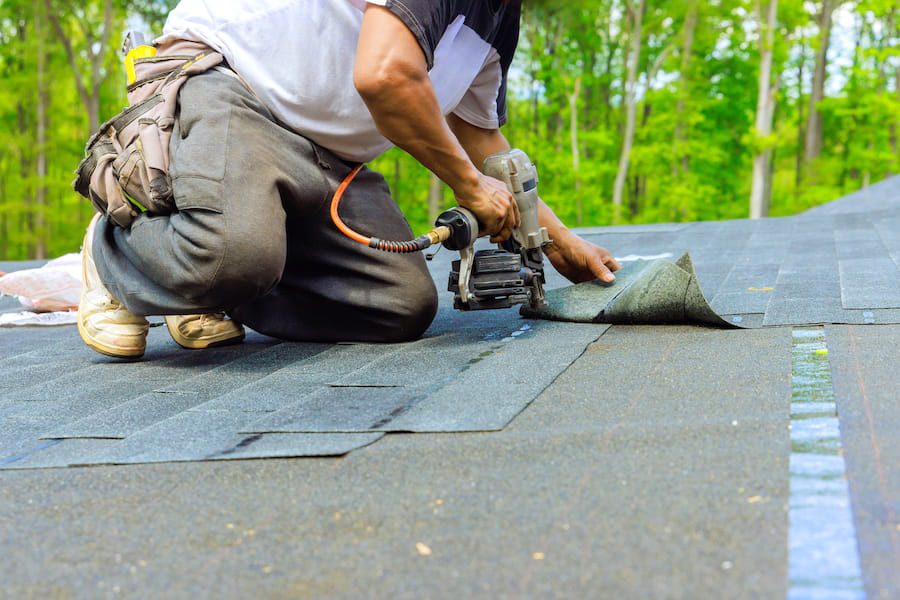
Installing the New Roofing System
Once the deck is ready, installation can move forward.
Depending on the roofing system, that may include:
- Underlayment
- Leak barriers
- Drip edge
- Flashing
- Starter shingles
- Field shingles
- Ventilation components
- Ridge caps
Cleanup and Final Review
The project isn’t finished when the last shingle is installed.
The crew still needs to remove debris, collect loose nails and materials, clean the property, and complete final checks.
6 Factors That Can Affect Roof Replacement Time
Several factors can turn a straightforward project into a longer one.
1. Roof Size
Larger roofs naturally take more time because there’s more material to remove, inspect, prepare, and install.
2. Roof Pitch and Complexity
A simple roof with a few planes can usually be worked on more efficiently than one with steep slopes, multiple valleys, dormers, hips, chimneys, skylights, and other penetrations.
Complex roofs also require more measuring, cutting, flashing, and safety precautions.
3. Roofing Material
Not every material installs at the same pace.
Asphalt shingles are relatively efficient to remove and install, while heavier or more specialized roofing systems may require additional labor and handling.
The timeline should reflect the roofing system you’re actually installing, not a generic average.
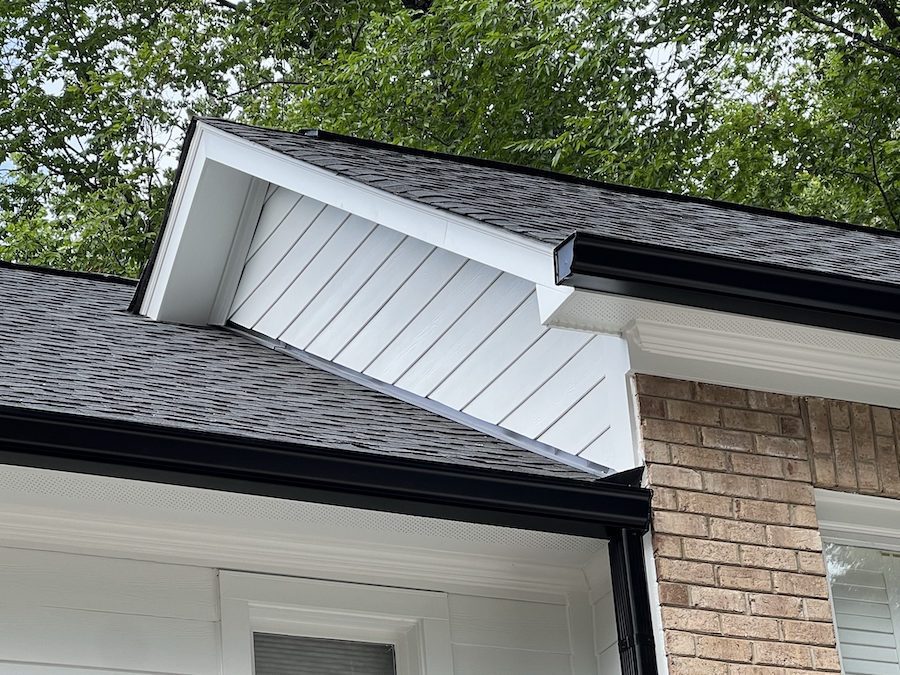
4. Hidden Decking Damage
Damage underneath the shingles is one of the biggest unknowns before tear-off.
If water intrusion has affected the roof deck, those areas may need to be replaced before installation can continue. The more extensive the damage, the more time the project may require.
5. Weather
Roofing crews can’t control the forecast.
Rain, strong winds, frost, wet surfaces, or other unsafe conditions can delay work. OSHA guidance requires roofing work to stop when weather conditions create unsafe footing unless appropriate protections are in place.
A weather delay can be frustrating, but waiting for safe installation conditions is better than rushing the project.
6. Additional Roofing Work
A replacement may reveal other work that needs attention, such as:
- Flashing repairs
- Ventilation improvements
- Roof deck replacement
- Penetration repairs
- Other roofing-system details
Addressing those issues correctly may extend the timeline, but it can also help prevent future problems.
Can a Roof Be Replaced in One Day?
Yes, some roofs can be replaced in one day.
A smaller or relatively simple asphalt-shingle roof with good access, favorable weather, an experienced crew, and no significant decking issues may be completed quickly.
But one-day completion shouldn’t automatically be the goal.
The old roof still needs to be removed, the decking inspected, vulnerable areas protected, flashing handled correctly, shingles installed properly, and the property cleaned afterward.
If those steps require another day, that doesn’t mean the project is behind schedule. A realistic timeline is more valuable than the shortest possible one.
Can You Stay Home During Roof Replacement?
Usually, yes.
That said, roof replacement is noisy. You’ll hear footsteps, nail guns, hammering, scraping, and materials moving directly overhead.
You may prefer to leave during the noisiest part of the project if you:
- Work from home
- Have young children
- Have pets that react strongly to noise
- Simply prefer a quieter environment
Even if you stay home, keep children and pets away from the exterior work area.
How Can You Prepare for Installation Day?
You can’t control the weather or hidden roof damage, but you can help make the jobsite easier to work around.
Before installation:
- Move vehicles away from the house if requested.
- Relocate patio furniture, grills, and planters.
- Keep children and pets away from the work zone.
- Make sure gates and access points are available.
- Remove fragile items from walls or shelves if vibration is a concern.
- Ask where materials and dumpsters will be placed.
- Confirm how cleanup and final inspection will be handled.
A little preparation can reduce avoidable delays and make the project easier on everyone.
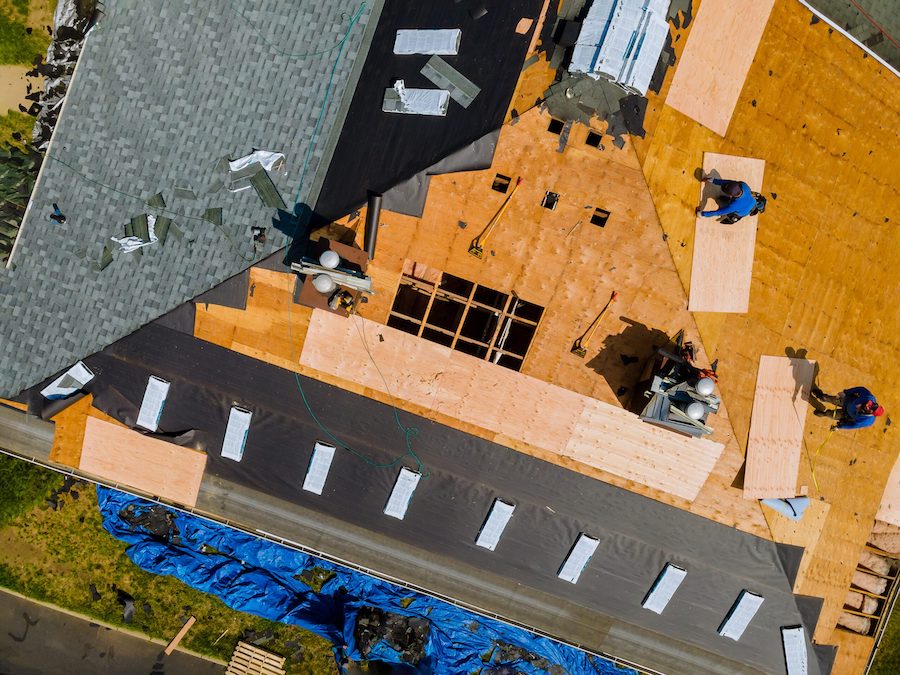
Why Experience Matters
A roof replacement should never be a race to finish first. The better measure of a roofing contractor is how well they plan the project, communicate with homeowners, handle unexpected conditions, and install the entire roofing system correctly.
At Southern Home Services, we’ve served Greater Charlotte homeowners since 2001, and our roofing credentials reflect that experience. We are a GAF Master Elite Contractor and a CertainTeed SELECT ShingleMaster Premier company, hold licensing in both North Carolina and South Carolina, and use HAAG-certified residential roofing inspectors.
That expertise matters because a roof is more than shingles. A complete system can include underlayment, flashing, drip edge, penetration protection, ventilation, and other components that all need to work together. Our goal is to make sure each part is installed properly so the finished roof performs as intended, not simply to get through the job as quickly as possible.
Plan Your Roof Replacement With Confidence
So, how long does a roof replacement take? For many homes, active installation can be completed in about one to three days, but the right timeline depends on your roof’s size, pitch, materials, complexity, condition, and the weather.
The goal isn’t to find the contractor who promises the fastest turnaround. It’s to work with a team that can give you a realistic schedule, prepare for potential delays, and explain what will happen from tear-off through final cleanup.
If you’re ready to move forward with a roof replacement, call Southern Home Services at (704) 531-2122 or contact us online to schedule a roofing consultation. We’ll inspect your roof, explain your options, outline the expected timeline, and help you move into your project with a clear plan and fewer surprises.
FAQ: How Long Does a Roof Replacement Take?
How long does it take to replace an asphalt-shingle roof?
An average asphalt-shingle roof can often be replaced within a few days. GAF says an average-sized asphalt-shingle replacement can often be completed in one to two days, while Southern Home Services generally estimates one to three days for most Charlotte-area roof installations.
Can a roof be replaced in one day?
Yes. Some relatively straightforward asphalt-shingle roofs can be completed in one day when conditions are favorable. Larger, steeper, more complex, or damaged roofs may need additional time.
What causes a roof replacement to take longer?
Common factors include roof size, steep slopes, architectural complexity, material choice, difficult property access, weather delays, damaged decking, and additional work involving flashing or ventilation.
Does rain delay a roof replacement?
It can. Rain can create unsafe working conditions and affect when roofing materials can be installed. OSHA guidance requires roofing operations to stop when adverse weather creates hazardous conditions unless safe footing can be ensured.
Can I stay home while my roof is being replaced?
Usually, yes, but expect significant noise and activity. Families with young children, pets, or people working from home may find it more comfortable to leave during the noisiest stages of tear-off and installation.
Does finding rotten decking add time to a roof replacement?
Yes. Damaged decking generally needs to be addressed before the new roofing system is installed. Depending on the extent of the damage, that can add several hours or more to the project.
