
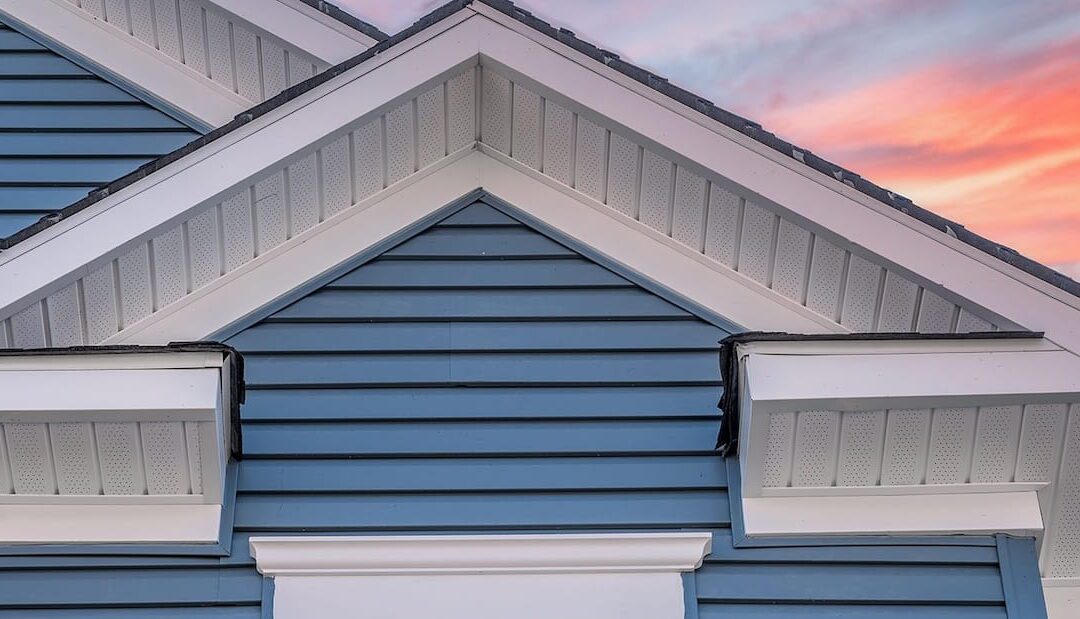
Choosing the right exterior for your home is one of the most important decisions you’ll make as a homeowner. Your home’s exterior affects curb appeal, energy efficiency, maintenance requirements, weather protection, and long-term property value. When comparing stucco vs siding, many homeowners find themselves weighing two very different materials that each offer unique benefits.
At Southern Home Services, we help homeowners make informed decisions about exterior remodeling projects. Whether you’re building a new home, replacing aging materials, or upgrading your home’s appearance, understanding the differences between stucco and siding can help you choose the best solution for your needs and budget.
In this guide, we’ll compare stucco vs siding in terms of appearance, durability, maintenance, cost, energy efficiency, and overall value.
Understanding Stucco
Stucco is a cement-based exterior finish made from a mixture of cement, sand, lime, and water. It is applied in multiple layers over a lath or masonry surface to create a seamless, textured appearance.
Stucco has been used for centuries and remains especially popular in warmer climates and architectural styles such as:
- Mediterranean
- Spanish Colonial
- Southwestern
- Contemporary
- Mission-style homes
One of stucco’s biggest advantages is its distinctive appearance. Unlike panelized siding products, stucco creates a continuous exterior surface without visible seams.
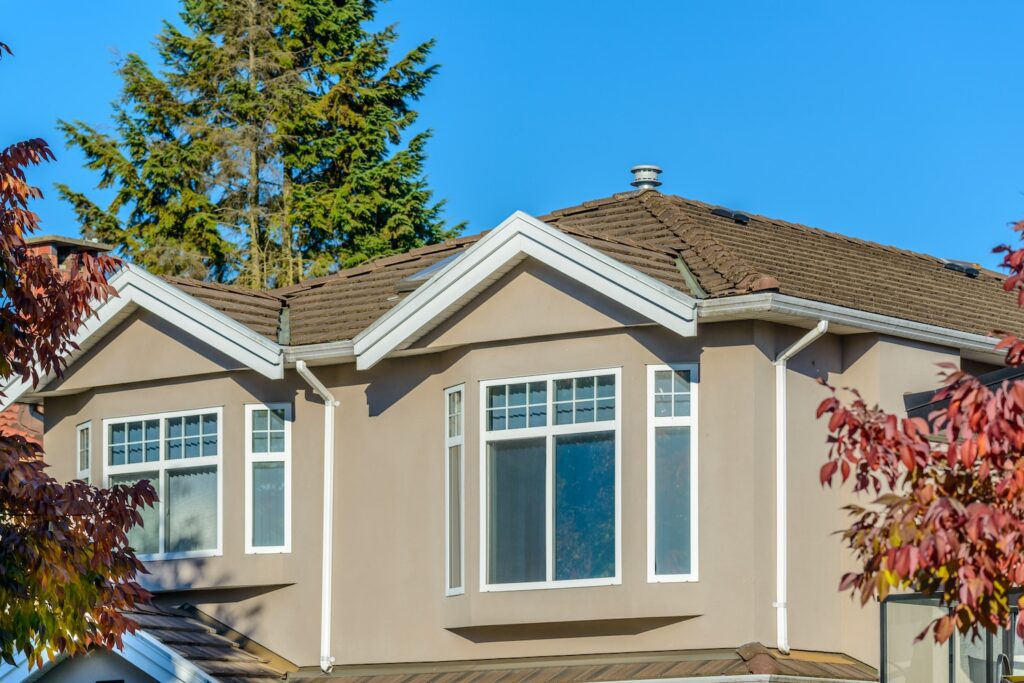
When properly installed and maintained, stucco can last for decades while providing excellent weather resistance and fire resistance.
Understanding Siding
The term “siding” covers a wide range of exterior cladding materials, including:
- Vinyl siding
- Fiber cement siding
- Engineered wood siding
- Wood siding
- Metal siding
Among these options, vinyl and fiber cement are the most common choices for homeowners considering an alternative to stucco.
Unlike stucco, siding is installed in panels or boards that attach directly to the home’s exterior walls. Modern siding products are available in numerous colors, textures, and profiles that can replicate the appearance of wood, stone, and even stucco itself.
Because siding comes in several material types, homeowners often have greater flexibility when balancing cost, appearance, and maintenance requirements.
Stucco vs Siding: Appearance
Appearance is often the first factor homeowners consider when choosing an exterior material.
Stucco Appearance
Stucco offers:
- A smooth, seamless finish
- Custom textures and finishes
- Distinctive architectural character
- High-end visual appeal
- A clean, monolithic look
Many homeowners choose stucco specifically because it creates a unique appearance that stands out from traditional siding installations.
Siding Appearance
Modern siding products offer tremendous design flexibility.
Benefits include:
- Multiple colors and styles
- Horizontal and vertical profiles
- Wood-look textures
- Shake and shingle options
- Board-and-batten styles
- Contemporary panel designs
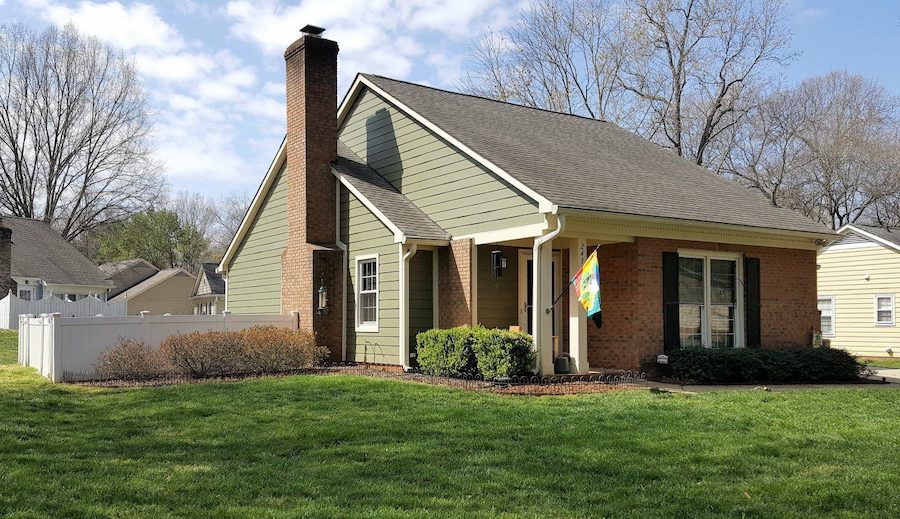
Fiber cement siding in particular can closely mimic natural wood while providing greater durability and lower maintenance.
Which Option Suits Your Style?
If you love Mediterranean or Southwestern architecture, stucco may be the clear winner. If you want more customization options and architectural flexibility, siding often has the advantage.
Durability Comparison
Durability is one of the biggest considerations when evaluating stucco vs siding.
Stucco Durability
Properly installed stucco is extremely durable and can last 50 years or more. Some stucco systems have lifespans approaching 100 years under ideal conditions.
Stucco performs especially well because it:
- Resists fire
- Handles UV exposure well
- Does not rot
- Is resistant to insects
- Withstands high temperatures
However, stucco can develop cracks over time as homes settle. Moisture intrusion can also become a concern if cracks or installation issues are not addressed quickly.
Siding Durability
Durability varies depending on the siding material.
Vinyl siding generally lasts 20 to 40 years and requires very little upkeep. Fiber cement siding can last upwards of 50 years when properly maintained.
Many siding products offer:
- Impact resistance
- Moisture resistance
- Insect resistance
- Excellent weather protection
- Long service lives
Fiber cement siding is particularly known for its resistance to fire, moisture, and harsh weather conditions.
Winner: Slight Edge to Quality Siding
While stucco is exceptionally durable, premium fiber cement siding often performs better across a wider range of climates and weather conditions.
Maintenance Requirements
Maintenance is another major factor when comparing stucco vs siding.
Stucco Maintenance
Stucco is generally considered low maintenance, but it does require periodic inspections.
Homeowners should:
- Check for cracks
- Repair damaged areas promptly
- Repaint or recoat as needed
- Monitor for moisture intrusion
One challenge with stucco is that repairs can be difficult to blend seamlessly with existing surfaces. Color and texture matching often require specialized expertise.
Siding Maintenance
Most siding products require less maintenance than stucco.
For example:
- Vinyl siding typically only needs occasional cleaning.
- Fiber cement siding requires periodic repainting.
- Engineered wood requires some maintenance but less than natural wood.
Many homeowners appreciate the ease of cleaning siding with a garden hose or pressure washer.
Winner: Siding
In most cases, siding requires less maintenance and fewer repairs throughout its lifespan.
Energy Efficiency
Your exterior material plays an important role in your home’s energy performance.
Stucco Energy Efficiency
Stucco’s thickness provides thermal mass, which can help regulate indoor temperatures.
This can be particularly beneficial in hot climates where daytime heat is absorbed slowly and released gradually.
Benefits include:
- Reduced temperature fluctuations
- Improved comfort
- Potential energy savings
Siding Energy Efficiency
Many modern siding systems incorporate insulated backing and advanced installation techniques.
Insulated siding can:
- Reduce air leakage
- Improve thermal performance
- Increase overall comfort
- Lower heating and cooling costs
The effectiveness often depends on the insulation system installed beneath the siding.
Winner: Depends on the System
Both options can contribute to energy efficiency when properly installed with quality insulation.
Weather Resistance
Weather performance often varies based on regional climate.
Stucco Performance
Stucco performs exceptionally well in:
- Warm climates
- Dry climates
- Sunny regions
- Areas with minimal freeze-thaw cycles
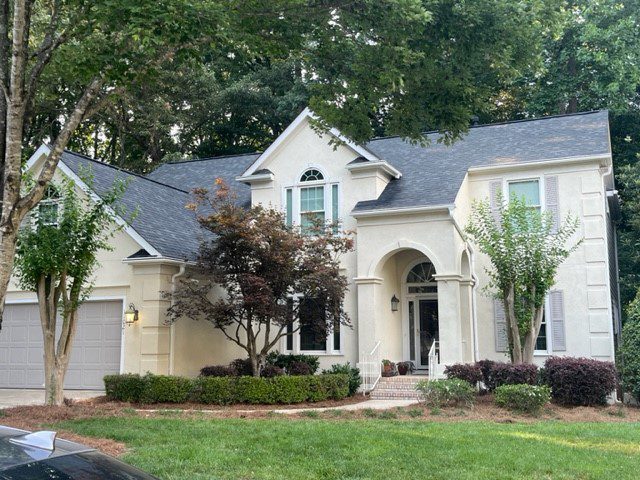
However, prolonged moisture exposure can sometimes create problems if water penetrates behind the stucco system.
Siding Performance
Quality siding systems generally perform well in:
- Humid climates
- Rainy regions
- Areas with freeze-thaw cycles
- Coastal environments
Fiber cement and vinyl siding are especially popular because they handle moisture effectively when installed correctly.
Winner: Siding in Most Climates
While stucco performs very well in certain regions, siding generally offers more consistent performance across a wider variety of weather conditions.
Cost Comparison
Budget often plays a major role in the stucco vs siding decision.
Stucco Costs
Stucco typically has a higher installation cost because it requires skilled labor and multiple application layers.
Factors affecting stucco costs include:
- Home size
- Surface preparation
- Finish type
- Labor rates
- Regional demand
Installation costs are often significantly higher than vinyl siding.
Siding Costs
Siding costs vary by material.
General pricing hierarchy:
- Vinyl siding
- Engineered wood siding
- Fiber cement siding
- Premium specialty siding products
Vinyl siding is usually one of the most affordable exterior options available. Fiber cement costs more but often provides greater durability and long-term value.
Quick Cost Comparison Table
| Factor | Stucco | Vinyl Siding | Fiber Cement Siding |
| Initial Cost | Higher | Lower | Moderate to High |
| Lifespan | 50-100 Years | 20-40 Years | 50+ Years |
| Maintenance | Moderate | Low | Low to Moderate |
| Repair Difficulty | Higher | Easier | Moderate |
| Fire Resistance | Excellent | Lower | Excellent |
| Design Options | Moderate | Extensive | Extensive |
Winner: Vinyl Siding for Budget-Conscious Homeowners
If minimizing upfront costs is your priority, siding generally offers a more affordable solution.
Curb Appeal and Home Value
Both stucco and siding can increase curb appeal when professionally installed.
Stucco often creates a premium appearance associated with luxury homes and distinctive architectural styles.
Siding provides:
- Greater design flexibility
- More color choices
- Easier updates
- Broad buyer appeal
The best option depends on your neighborhood, home style, and local market expectations.
A home that matches the architectural character of the surrounding area often achieves the best resale value.
Which Option Is Better for Southern Homes?
For many homeowners in the South, siding is often the more practical choice.
Benefits include:
- Better moisture management
- Easier maintenance
- Lower installation costs
- Greater style flexibility
- Excellent performance in humid climates
Fiber cement siding, such as the James Hardie brand, is especially popular because it offers durability, weather resistance, and attractive curb appeal while standing up well to heat, humidity, and storms.
That said, stucco remains an excellent option for homeowners seeking a distinctive architectural look and long-term durability.
Final Thoughts on Stucco vs Siding
When comparing stucco vs siding, there is no universal winner. The right choice depends on your home’s style, local climate, budget, maintenance preferences, and long-term goals.
Choose stucco if you want:
- A seamless appearance
- Classic Mediterranean or Southwestern styling
- Exceptional longevity
- Strong fire resistance
Choose siding if you want:
- Lower upfront costs
- Easier maintenance
- More design options
- Strong performance across many climates
At Southern Home Services, we help homeowners evaluate exterior remodeling options and choose solutions that provide lasting beauty, durability, and value. Whether you’re considering siding replacement or upgrading your home’s exterior to stucco, understanding the strengths of each material is the first step toward making a confident investment. Contact us online or call 704-531-2122 and we can guide you through every step of the process so you can invest confidently in your home’s exterior.
Frequently Asked Questions
1. Is stucco more expensive than siding?
Yes. Stucco typically costs more to install because it requires specialized labor and multiple application layers. Vinyl siding is usually the most affordable option.
2. Which lasts longer, stucco or siding?
Stucco can last 50 to 100 years when properly maintained. Fiber cement siding can also last 50 years or more, while vinyl siding generally lasts 20 to 40 years.
3. Does stucco require a lot of maintenance?
Stucco is considered relatively low maintenance, but it should be inspected regularly for cracks and moisture issues.
4. Is fiber cement siding better than stucco?
Fiber cement siding offers excellent durability, moisture resistance, and design flexibility. The better option depends on your climate, budget, and aesthetic preferences.
5. Which is better for humid climates, stucco or siding?
In many humid climates, quality siding systems, particularly fiber cement siding, often provide better long-term moisture management and easier maintenance.
