
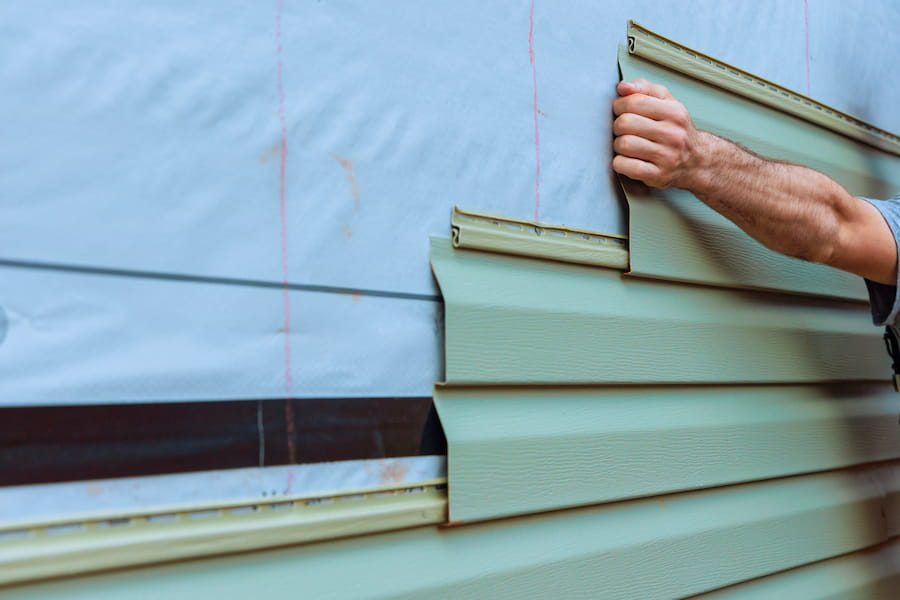
Does Insurance Cover Siding? A Homeowner’s Guide to Coverage
Southern Home Services knows that discovering damage to your home’s siding can be stressful, especially after a severe storm. One of the first questions homeowners in the greater Charlotte area ask is, does insurance cover siding? The answer is often yes, but only under certain circumstances. Understanding what your homeowners insurance policy covers, what it excludes, and how the claims process works can help you make informed decisions and avoid unexpected costs.
Whether your siding has been damaged by hail, strong winds, falling tree branches, or another unexpected event, it’s important to know when insurance is likely to step in and when the repairs become the homeowner’s responsibility.
The Short Answer
In many cases, homeowners insurance does cover siding damage if it results from a covered peril. Covered perils are sudden, accidental events that your insurance policy specifically protects against. If the damage falls under one of these events, your policy’s dwelling coverage may help pay for repairs or replacement, subject to your deductible and policy limits.
However, insurance generally does not pay for damage caused by aging, poor maintenance, normal wear and tear, or preexisting issues.
The key factor is not simply that your siding is damaged. It’s how the damage occurred.
What Types of Siding Damage Are Usually Covered?
Most standard homeowners insurance policies cover damage caused by sudden, unexpected events rather than gradual deterioration.
Common covered causes include:
- Windstorms
- Hail damage
- Fire and smoke
- Lightning strikes
- Falling trees or other falling objects
- Vehicle impact
- Aircraft damage
- Vandalism or malicious mischief
Storm damage is one of the most common reasons homeowners successfully file siding claims. High winds can loosen or tear off siding panels, while hail can crack, dent, or puncture many siding materials.
If your insurance company determines the damage resulted from one of these covered events, repairs or replacement may be approved.
When Insurance Usually Will Not Cover Siding
Unfortunately, not every siding problem qualifies for an insurance claim.
Insurance companies typically deny claims for issues caused by normal ownership responsibilities, including:
- Normal wear and tear
- Fading from sunlight
- Rot caused by long term moisture exposure
- Poor installation
- Lack of maintenance
- Pest or wild animal damage
- Existing damage that occurred before the policy or before the reported event
Insurance is designed for sudden losses, not routine maintenance or aging materials. If your siding simply reaches the end of its lifespan, replacement generally becomes a homeowner expense.
How Dwelling Coverage Protects Your Siding
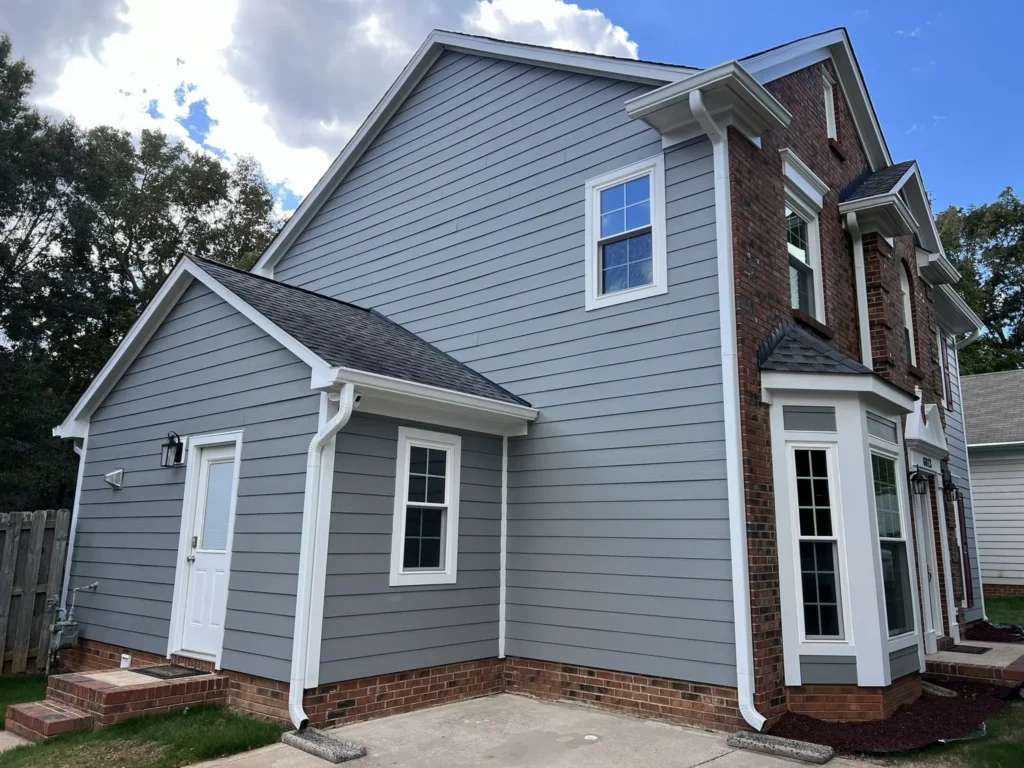
Your siding is considered part of your home’s structure, which means it typically falls under your policy’s dwelling coverage.
Dwelling coverage helps pay to repair or rebuild structural portions of your home when damaged by a covered peril. This includes components such as:
- Siding
- Roofing
- Attached garages
- Gutters
- Chimneys
- Permanent exterior features
Coverage is generally limited by:
- Your policy limits
- Your deductible
- Whether replacement cost or actual cash value applies to your policy
Replacement cost policies generally reimburse the cost to install new materials of similar quality, while actual cash value policies account for depreciation before paying a claim.
What If Only Part of the Siding Is Damaged?
One of the biggest frustrations homeowners face is partial siding damage.
Imagine hail damages only one wall of your home. Your insurance company agrees to replace those damaged panels, but your siding is 20 years old and no longer manufactured. The replacement pieces may not match the existing siding in color, texture, or profile.
This creates what’s known as a matching issue.
Some insurance policies include matching coverage that may help pay to replace additional undamaged siding so the home maintains a consistent appearance. Other policies only pay for the damaged sections, leaving homeowners with mismatched siding. State regulations and individual policy language also influence how matching claims are handled.
Before accepting a settlement, review your policy carefully or discuss matching provisions with your insurance representative.
Cosmetic Damage Versus Functional Damage
Not every dent or scratch automatically qualifies for replacement.
Insurance adjusters often distinguish between:
Cosmetic damage
This includes:
- Minor dents
- Surface scratches
- Small discoloration
- Minor chips
If the siding still performs its intended function of protecting your home, the insurer may classify the damage as cosmetic.
Functional damage
Functional damage affects your home’s ability to stay protected from weather.
Examples include:
- Cracked panels
- Holes
- Broken locking systems
- Loose siding
- Water intrusion
- Structural damage
Functional damage is much more likely to qualify for insurance coverage because it compromises your home’s protection.
Steps to Take After Storm Damage
If you suspect your siding has been damaged after severe weather, acting quickly can help strengthen your claim.
1. Inspect Your Home Safely
Walk around your property once conditions are safe.
Look for:
- Missing panels
- Cracks
- Holes
- Loose siding
- Impact marks
- Fallen branches
Avoid climbing ladders or entering unsafe areas.
2. Document Everything
Take clear photographs from multiple angles.
Capture:
- Close-up images of damaged areas
- Wide shots showing the location
- Fallen trees or debris
- Any related damage to roofing or gutters
The more documentation you have, the easier it becomes to support your claim.
3. Prevent Additional Damage
If temporary measures can prevent water intrusion or further deterioration, take reasonable steps to protect your home.
Keep receipts for any emergency repairs because your insurance company may request them during the claims process.
4. Contact Your Insurance Company
Notify your insurer promptly.
Be prepared to provide:
- Date of the storm
- Description of the damage
- Photos
- Contractor inspection reports if available

Your insurance company will usually assign an adjuster to inspect the property before approving repairs.
Should You File an Insurance Claim?
Not every repair justifies filing a claim.
Before submitting one, consider:
- Your deductible
- Estimated repair costs
- Potential out-of-pocket expenses
If repairs cost less than or only slightly more than your deductible, filing a claim may not provide much financial benefit. Obtaining an inspection and repair estimate first can help you make a more informed decision.
Why Professional Inspections Matter
Storm damage isn’t always obvious.
Some cracks, loosened fasteners, or hidden moisture issues may not be visible from the ground.
A professional inspection can help:
- Identify all storm-related damage
- Differentiate new damage from older issues
- Document findings thoroughly
- Provide repair estimates
- Support your insurance claim with detailed information
Having experienced professionals assess the damage can also reduce the chances of important issues being overlooked.
Common Misunderstandings About Siding Insurance
Many homeowners have misconceptions about what insurance will pay for.
Here are a few of the most common myths.
Myth: Insurance covers old siding.
Age alone is not a covered loss. Insurance generally only covers sudden accidental damage from covered perils.
Myth: Every storm automatically qualifies.
Not every storm causes covered damage. The insurer must determine that the weather event directly caused the siding damage.
Myth: Insurance replaces the whole house every time.
Some policies only cover damaged sections. Whole-home replacement depends on matching issues, policy language, and applicable state regulations.
Myth: Small cracks are always covered.
If damage is considered cosmetic and does not affect the siding’s ability to protect the home, coverage may be limited or denied.
How to Help Your Claim Go More Smoothly
While no one can guarantee claim approval, these best practices can improve the process:
- Maintain your siding regularly.
- Save records of inspections and maintenance.
- Report storm damage promptly.
- Take extensive photographs.
- Keep receipts for emergency repairs.
- Work with experienced exterior contractors.
- Review your insurance policy before filing.
Being organized and proactive often makes communication with your insurance company much easier.
Protecting More Than Just Your Siding
Storms rarely damage just one part of a home. High winds and hail can affect multiple exterior systems at the same time. Along with expert siding services, Southern Home Services also helps homeowners improve and restore their homes with roofing, replacement windows, exterior painting, interior painting, and solar panel solutions, making it easier to protect your home’s entire exterior after severe weather.
Final Thoughts
If you’ve been wondering, does insurance cover siding, the answer depends largely on what caused the damage. Homeowners insurance commonly covers siding that has been damaged by covered perils like hail, wind, fire, or falling objects. On the other hand, gradual deterioration, neglect, and normal aging are generally excluded from coverage.
Understanding your policy, documenting damage thoroughly, and working with knowledgeable professionals can make the claims process less stressful and help ensure your home receives the repairs it needs.
If your home’s siding has recently been damaged by a storm, Southern Home Services is here to help. Contact us online or call 704-531-2122 and our experienced team can inspect your exterior, identify storm-related damage, and help you understand your repair options so you can restore your home’s beauty and protection with confidence.
FAQ: Does Insurance Cover Siding?
1. Does insurance cover siding after a hailstorm?
In many cases, yes. Hail is commonly considered a covered peril under standard homeowners insurance policies, provided the damage is sudden and accidental.
2. Will homeowners insurance pay for faded or old siding?
No. Fading, aging, and normal wear and tear are generally considered maintenance issues and are not covered by homeowners insurance.
3. What if replacement siding does not match my existing siding?
Some insurance policies include matching coverage that may help pay to replace additional siding so your home has a consistent appearance. Coverage varies by policy and state.
4. Should I get my siding inspected before filing a claim?
Yes. A professional inspection can document storm damage, estimate repair costs, and help determine whether filing an insurance claim makes financial sense.
5. Can insurance cover both my roof and siding after a storm?
Yes. If both were damaged by the same covered event, such as hail or strong winds, your homeowners insurance may cover repairs to both, subject to your policy’s terms, deductible, and coverage limits.
