
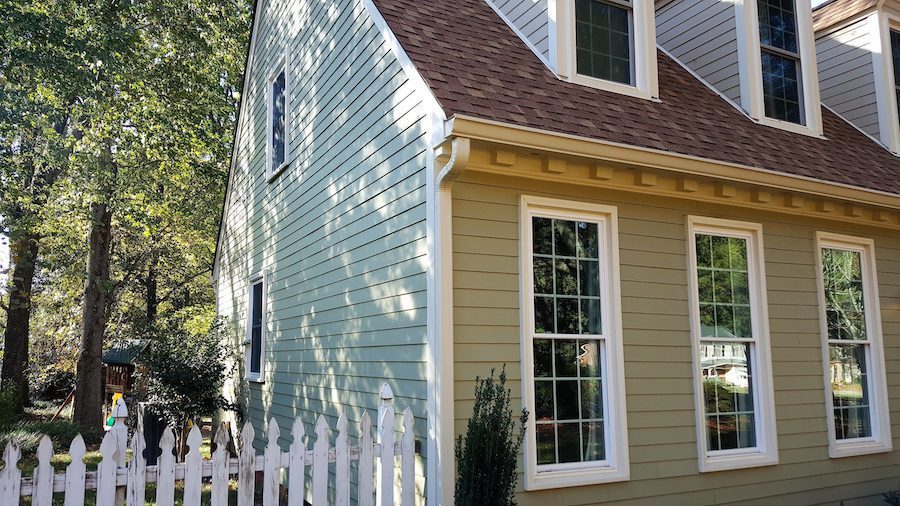
Choosing new siding is one of the biggest decisions you’ll make when upgrading your home’s exterior. Your siding affects curb appeal, energy efficiency, maintenance needs, and long-term value. While there are many siding materials available today, two of the most common options homeowners compare are vinyl and wood.
At Southern Home Services, we know every homeowner has different priorities. Some want a traditional, timeless appearance. Others want the easiest maintenance possible. Understanding the strengths and weaknesses of each material can help you make an informed investment that fits your budget and lifestyle.
This guide compares vinyl vs wood siding, including appearance, durability, maintenance, cost considerations, environmental impact, and more so you can determine which material is the better fit for your home.
Why Homeowners Compare Vinyl vs Wood Siding
Vinyl and wood have remained popular siding materials for decades, but for very different reasons.
Wood siding offers classic beauty, authentic texture, and natural character that many homeowners love. It has been used on homes for generations and remains a favorite for historic properties and custom homes.
Vinyl siding, on the other hand, has become one of the most widely installed siding materials because it offers affordability, low maintenance, and dependable performance without requiring frequent upkeep.
Neither material is universally better. The right choice depends on your home’s style, your maintenance expectations, your local climate, and your long-term goals.
What Is Vinyl Siding?
Vinyl siding is manufactured from durable PVC and is designed to imitate the appearance of traditional wood siding while requiring significantly less maintenance.
Modern vinyl siding comes in numerous:
- Colors
- Profiles
- Textures
- Widths
- Styles
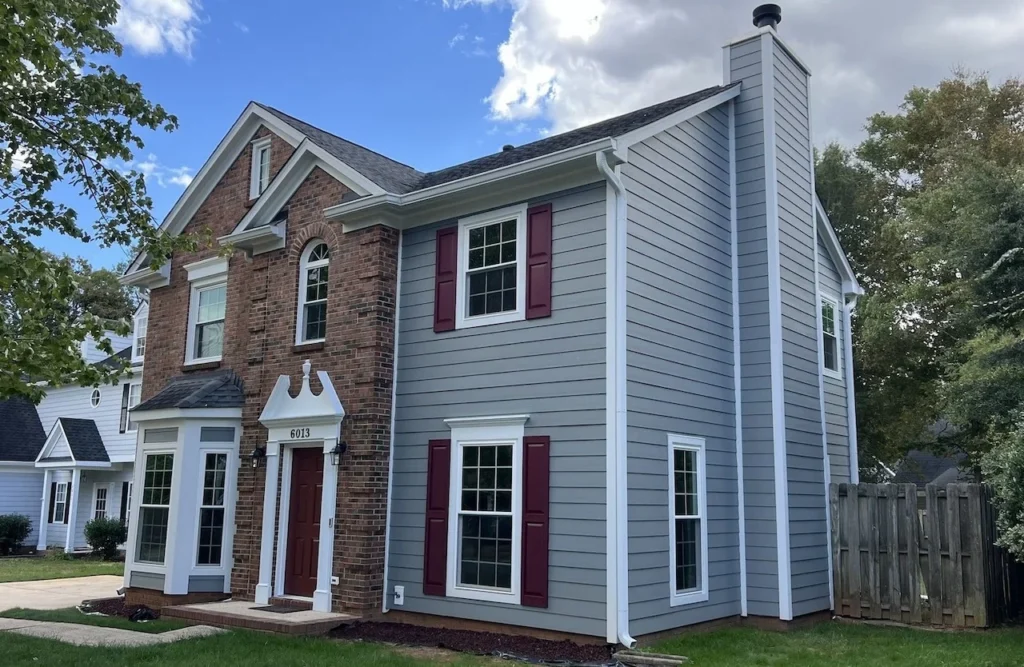
Many premium products even feature realistic wood grain textures that provide the appearance of painted wood without the ongoing maintenance.
What Is Wood Siding?
Wood siding is made from natural lumber and is available in several species and profiles.
Common wood siding options include:
- Cedar
- Pine
- Redwood
- Spruce
- Engineered wood products
Wood siding can be installed as:
- Clapboard
- Board and batten
- Shakes
- Shingles
- Bevel siding
Because it is a natural material, every board has its own unique grain pattern and appearance.
Appearance: Which Looks Better?
For many homeowners, appearance is the deciding factor.
Vinyl Siding Appearance
Vinyl siding has improved dramatically over the years. Today’s premium products offer:
- Realistic wood grain textures
- Numerous color choices
- Multiple profile options
- Consistent appearance
- Color that runs throughout the material
Since the color is built into the siding, small scratches are often less noticeable than chipped paint.
Wood Siding Appearance
Wood remains the benchmark for natural beauty.
Each board features unique:
- Grain patterns
- Knots
- Texture
- Character
Wood can also be:
- Painted
- Stained
- Refinished
- Customized over time
For homeowners seeking an authentic traditional appearance, wood often provides unmatched visual appeal.
Winner: Wood
If authentic beauty and natural character are your top priorities, wood siding remains the gold standard.
Durability Comparison
Both siding materials are durable, but they perform differently under various conditions.
Vinyl Siding Durability
Vinyl siding is resistant to:
- Moisture
- Rot
- Insects
- Peeling
- Rust
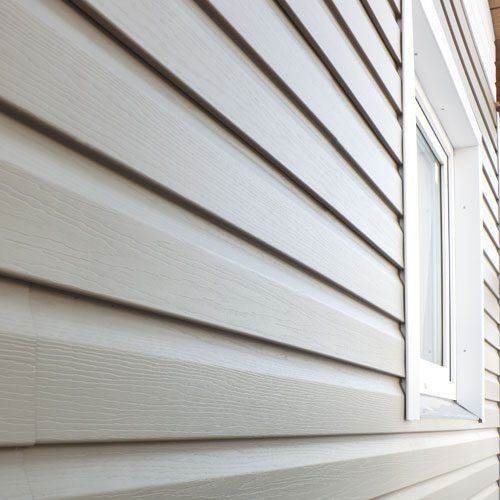
Because it does not absorb water like wood, it performs well in wet conditions.
However, vinyl can:
- Crack during severe impacts
- Warp when exposed to extreme heat
- Fade gradually after many years of sun exposure, depending on the product
Wood Siding Durability
Wood siding is naturally durable when properly maintained.
However, because it is an organic material, it may be susceptible to:
- Rot
- Moisture damage
- Insect activity
- Mold
- Mildew
Protective paint or stain helps reduce these risks, but ongoing maintenance remains important.
Certain wood species, such as cedar and redwood, naturally resist insects and decay better than others.
Winner: Vinyl
Its resistance to moisture, insects, and everyday wear gives vinyl the advantage for long term durability with less upkeep.
Maintenance Requirements
Maintenance is often where the biggest difference appears when comparing vinyl vs wood siding.
Vinyl Maintenance
Vinyl is popular largely because it requires very little upkeep.
Most homeowners simply need to:
- Wash the siding occasionally
- Remove dirt and debris
- Inspect for damage after severe storms
There is generally no need to:
- Paint
- Stain
- Seal
- Scrape old finishes
This makes vinyl especially appealing for busy homeowners.
Maintenance
Winner: Vinyl
For homeowners who want to spend less time maintaining their exterior, vinyl is the clear winner.
Wood Maintenance
Wood requires considerably more attention throughout its lifespan.
Maintenance typically includes:
- Repainting or restaining
- Sealing exposed wood
- Repairing damaged boards
- Inspecting for moisture issues
- Treating areas affected by insects
Regular maintenance helps preserve both appearance and structural integrity.
Winner: Vinyl siding.
Lifespan
How long your siding lasts depends on installation quality, maintenance, climate, and product quality.
Vinyl Siding
Quality vinyl siding can provide decades of dependable performance when properly installed and maintained.
Routine inspections and occasional cleaning help maximize its lifespan.
Wood Siding
Wood siding can also last for many decades when consistently maintained.
Without regular care, however, moisture, insects, and weather exposure can shorten its lifespan.
The biggest difference is that wood’s longevity depends much more heavily on ongoing maintenance.
Winner: Tie
Both vinyl and wood can last for decades when properly installed and cared for, making maintenance the deciding factor.
Cost Comparison
Cost is one of the first questions homeowners ask.
While prices vary by region, home size, product quality, and installation complexity, there are some general trends.
Vinyl Siding Costs
Vinyl is generally:
- Less expensive to purchase
- Faster to install
- Less expensive to maintain
- Lower in lifetime ownership costs
Because it rarely requires repainting or refinishing, ongoing expenses remain relatively low.
Wood Siding Costs
Wood often involves:
- Higher material costs
- Higher installation costs
- More maintenance expenses
- Periodic repainting or staining
While wood can add impressive character to a home, homeowners should budget for regular upkeep over the years.
Winner: Vinyl
Lower installation costs and minimal maintenance make vinyl the more budget friendly option over time.
Energy Efficiency
Neither vinyl nor wood siding alone provides insulation.
However, both systems can contribute to energy efficiency when installed alongside proper wall insulation.
Some vinyl products are available with insulated backing, which may help improve thermal performance and reduce air infiltration.
Wood also offers natural insulating properties compared to some other building materials.
Proper installation plays a much larger role in energy efficiency than the siding material alone.
Winner: Tie
Both materials can contribute to an energy efficient home, especially when installed with proper insulation and weather barriers.
Weather Resistance
Your local climate should influence your siding decision.
Vinyl Performs Well Against
- Rain
- Humidity
- Salt air
- Rot
- Insects
Wood Performs Well Against
- Moderate climates
- Temperature fluctuations when maintained properly
- Homes where regular maintenance is expected
If wood is neglected, prolonged moisture exposure can eventually lead to deterioration.
Winner: Vinyl
Its resistance to moisture, insects, and everyday wear gives vinyl the advantage for long term durability with less upkeep.
Environmental Considerations
Many homeowners also evaluate sustainability.
Vinyl
Vinyl typically requires fewer maintenance products over its lifespan because it does not need regular painting or staining.
Its long service life also reduces replacement frequency.
Wood
Wood is a renewable natural resource when responsibly harvested.
Some homeowners appreciate its natural composition and ability to be refinished rather than replaced.
Both materials have environmental considerations, making personal priorities an important part of the decision.
Winner: Wood
As a renewable natural material, responsibly sourced wood has the edge for homeowners focused on sustainability.
Home Value and Curb Appeal
Both siding materials can improve a home’s appearance.
Wood often creates a premium, traditional aesthetic that appeals to buyers looking for classic architecture.
Vinyl attracts buyers seeking:
- Lower maintenance
- Consistent appearance
- Long-term affordability
- Modern color options
Ultimately, professional installation has a significant impact on both curb appeal and resale value regardless of material.
Which Homeowners Prefer Vinyl?
Vinyl siding is often an excellent choice for homeowners who want:
- Minimal maintenance
- Lower overall ownership costs
- Many color options
- Reliable weather resistance
- Good long-term durability
- Faster installation
If you would rather spend weekends enjoying your home instead of maintaining it, vinyl may be the better fit.
Which Homeowners Prefer Wood?
Wood siding is often ideal for homeowners who prioritize:
- Natural beauty
- Authentic craftsmanship
- Historic home restoration
- Custom paint or stain options
- Traditional architectural styles
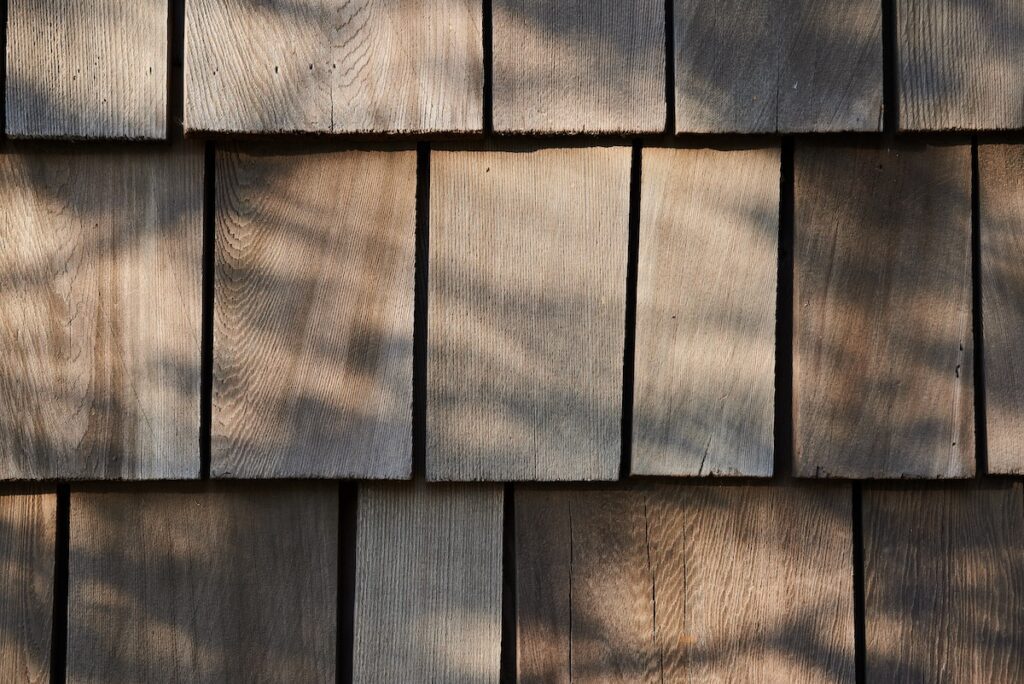
If maintaining your home’s exterior is something you’re comfortable with, wood can deliver timeless charm.
Quick Comparison Table
| Feature | Vinyl Siding | Wood Siding |
| Appearance | Consistent with many styles | Natural and unique |
| Maintenance | Low | High |
| Painting Required | No | Yes, periodically |
| Moisture Resistance | Excellent | Requires protection |
| Insect Resistance | Excellent | Can be susceptible |
| Initial Cost | Lower | Higher |
| Long-Term Costs | Lower | Higher due to maintenance |
| Customization | Wide variety | Nearly unlimited finishes |
| Lifespan | Long with minimal upkeep | Long with regular maintenance |
Making the Right Decision
There is no universal winner in the vinyl vs wood siding debate because every homeowner has different priorities.
Choose vinyl if you value convenience, affordability, and minimal maintenance.
Choose wood if you appreciate natural beauty, timeless craftsmanship, and are willing to invest in regular upkeep.
A professional siding consultation can help you evaluate your home’s architecture, your local climate, and your long-term goals before making a final decision.
Whether you’re upgrading your siding or planning a complete exterior transformation, Southern Home Services also offers roofing, replacement windows, exterior and interior painting, and solar panel solutions to help homeowners improve both the beauty and efficiency of their homes.
Want the Look of Wood Without the Maintenance?
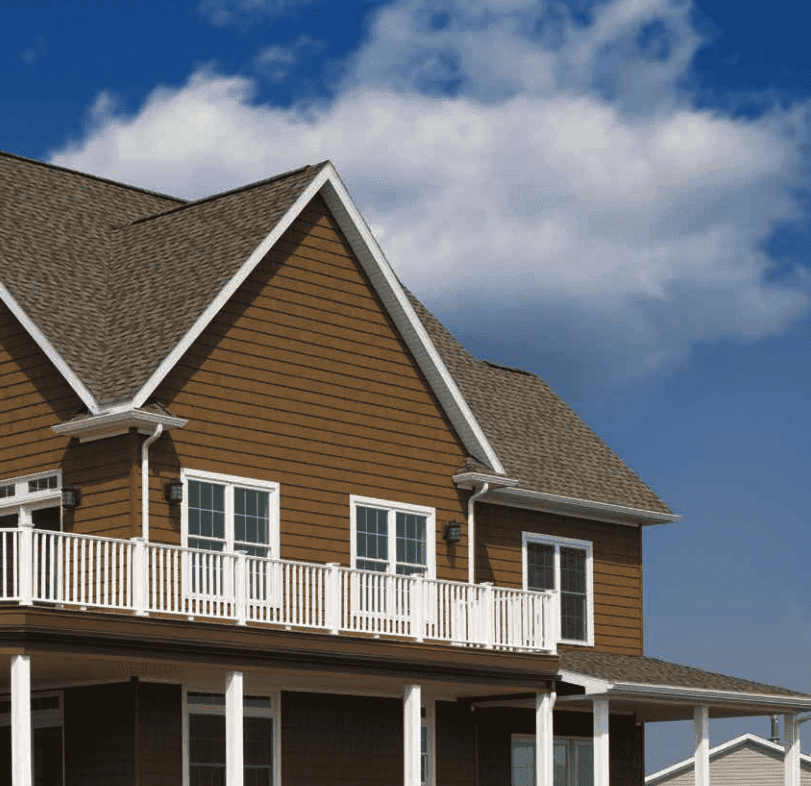
If you love the timeless appearance of wood but not the upkeep that comes with it, wood-look vinyl siding offers an excellent middle ground. At Southern Home Services, we install Mastic® vinyl siding, which is available in realistic wood grain textures that capture the charm of natural wood while delivering the durability and low maintenance benefits of vinyl. Homeowners can choose from a variety of profiles, including traditional lap siding and cedar shake styles, along with fade resistant colors designed to maintain their appearance for years. Mastic siding is also engineered to resist warping, cracking, and harsh weather, with optional insulated backing to improve energy efficiency. It is an ideal choice for homeowners who want the classic beauty of wood without the ongoing painting, staining, or maintenance.
Trust Southern Home Services for Your Exterior Remodeling Project
Choosing between vinyl and wood siding is easier when you have experienced professionals helping you evaluate your options. At Southern Home Services, we work with homeowners to find exterior solutions that balance appearance, durability, maintenance, and long-term value.
Whether you’re replacing aging siding or planning a full exterior renovation, our team is here to help you make a confident decision. Contact Southern Home Services online or call 704-531-2122 today to schedule your consultation and discover the siding solution that’s right for your home.
FAQ: Vinyl vs Wood Siding
1. Which lasts longer, vinyl or wood siding?
Both can last for decades when properly installed. Vinyl generally requires less maintenance over its lifespan, while wood’s longevity depends on consistent upkeep such as painting or staining.
2. Is vinyl siding cheaper than wood siding?
In most cases, yes. Vinyl typically has lower material, installation, and maintenance costs than traditional wood siding.
3. Does wood siding increase home value?
Wood siding’s natural appearance and classic appeal can be attractive to buyers, particularly on traditional or historic homes. Proper maintenance is important to preserve its value.
4. Which siding requires less maintenance?
Vinyl siding requires significantly less maintenance because it does not need regular painting, staining, or sealing. Occasional cleaning is usually all that is required.
5. How do I choose between vinyl and wood siding?
Consider your budget, desired appearance, willingness to perform maintenance, local climate, and long-term goals. A professional siding contractor can help you compare the options and determine which material best suits your home.
