
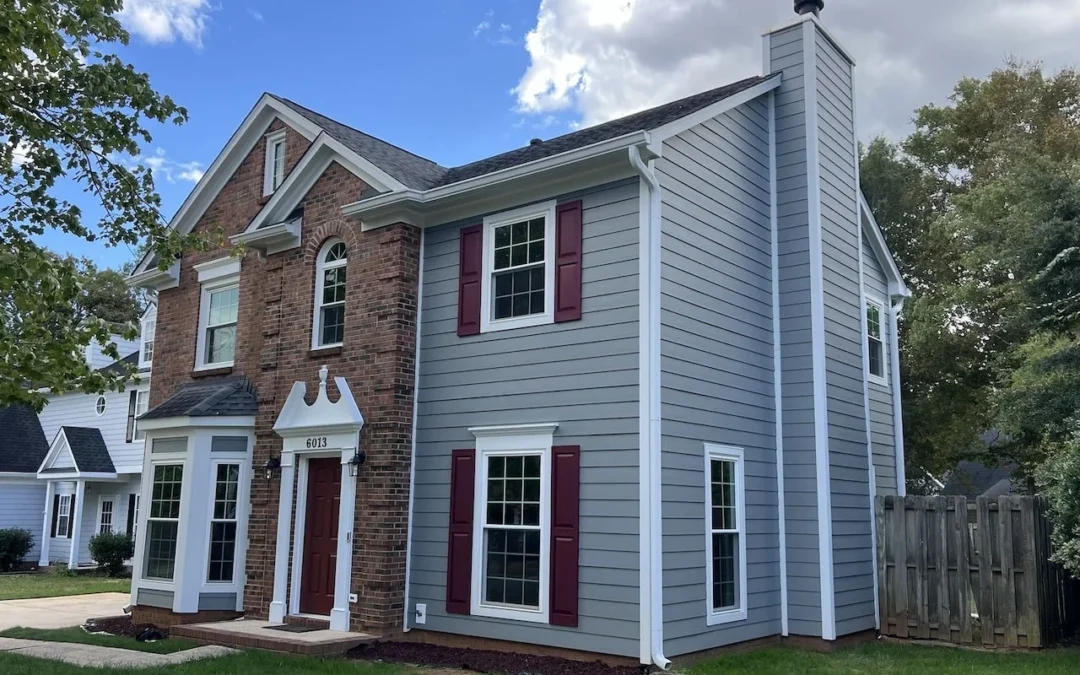
Once you decide it is time for new windows, the next question surprises a lot of homeowners: do you replace the whole window or just what sits inside the frame? The answer affects your cost, your timeline, how much glass you end up with and how well the new windows perform for decades. The choice between full frame vs insert window replacement mostly comes down to one thing: the condition of your existing frames. Below, we break down how each method works, the pros and cons, what each means for cost and energy efficiency, and how to tell which one your home needs. If you would rather have an expert take a look, request a free estimate from Southern Home Services.
Full Frame vs Insert Window Replacement at a Glance
| Insert (Pocket) Replacement | Full Frame Replacement | |
|---|---|---|
| What is removed | Sashes, stops and hardware; existing frame stays | Entire window, frame and interior/exterior trim, down to the rough opening |
| Best for | Square, solid, rot-free frames | Rotted, damaged or out-of-square frames, or size and style changes |
| Upfront cost | Lower | Higher |
| Install time | Faster; several windows a day is common | Longer, depending on repairs and trim work |
| Glass area | Slightly smaller | Same or larger |
| Hidden damage | Stays hidden | Exposed and repaired |
| Interior and exterior trim | Usually kept | Replaced or reinstalled |
| Change size or style | No | Yes |
What Is Insert Window Replacement?
Insert window replacement, also called pocket or retrofit replacement, places a new, fully assembled window inside your existing frame. The installer removes the old sashes, stops and hardware, then sets the new unit into the “pocket” left behind, insulates and seals the gaps, and finishes with new trim or capping. Your existing interior casing, exterior trim and siding stay in place.
Pros of Insert Replacement Windows
- Lower cost: Less labor and fewer materials than a full tear-out.
- Faster installation: A crew can often install several insert windows in a single day.
- Less disruption: Interior trim, drywall, siding and brick are left alone.
- Keeps original details: A good fit for homes with trim you want to preserve.
Cons of Insert Replacement Windows
- Slightly less glass: The new frame sits inside the old one, so the visible glass shrinks a bit.
- Hidden problems stay hidden: Rot, water damage or missing insulation around the old frame is not exposed or fixed.
- Depends on the old frame: If the existing frame is not square, level and solid, an insert cannot perform its best.
- No size or style changes: You are limited to the existing opening.
What Is Full Frame Window Replacement?
Full frame window replacement removes everything: sashes, frame, interior casing and exterior trim, down to the rough opening in the wall framing. The installer inspects and repairs the opening, adds new flashing and weatherproofing, installs a complete new window, insulates around it and finishes with new or reinstalled trim. It is the more involved method, and it gives you a fresh start.
Pros of Full Frame Replacement Windows
- Repairs hidden damage: Rot, water intrusion and pest damage around the opening are exposed and fixed.
- Better weatherproofing: New flashing and insulation go in around the entire unit.
- Maximum glass: No frame-within-a-frame, so you keep or increase your view.
- Design freedom: Change window size, style or configuration, or convert a window to a door.
Cons of Full Frame Replacement Windows
- Higher cost: More labor, more materials and trim work add up.
- Longer project: Each opening takes more time, especially if repairs are needed.
- More disruption: Interior trim and sometimes exterior siding or brick around the window must be removed and finished.
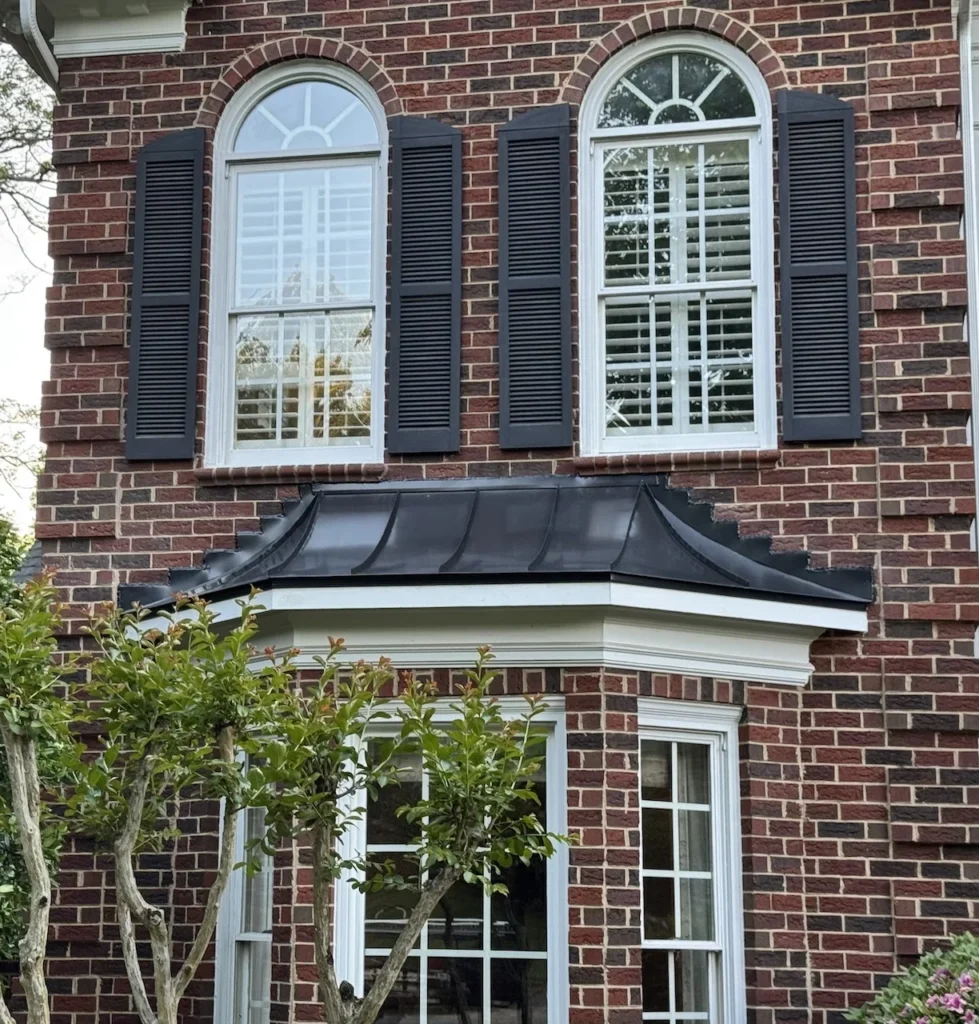
How to Check Your Window Frames Before Choosing
Because frame condition decides the method, a quick self-check can tell you a lot before an estimate. Look for:
- Soft spots when you press a screwdriver into the sill or lower frame
- Peeling paint, dark stains or swelling around the window
- Gaps between the frame and the wall, or daylight you can see around the edges
- Windows that stick, will not stay open or no longer close square
- Water stains on the wall or floor below the window
- Drafts you can feel around the frame, not just through the glass
If you find none of these, your frames may be good candidates for inserts. If you find several, especially soft wood, full frame window replacement is usually the safer choice. A professional inspection confirms what is behind the trim.
Full Frame vs Insert Window Replacement Cost
Insert replacement almost always costs less per window because there is less labor, no trim to rebuild and no opening repairs. Full frame replacement costs more for the same reasons, and the price climbs if rot or water damage needs repair or if you change the size of the opening.
The cheapest option is not always the best value, though. An insert placed in a failing frame can let air and water keep getting in, which means you may pay twice. Full frame replacement costs more now but addresses the whole opening at once. Your total price also depends on the window material, style, size, glass package and how many windows you replace. Southern Home Services offers financing options to help spread the cost over time.
Energy Efficiency, Glass Area and Comfort
Both methods can deliver a big efficiency upgrade, because most of the gain comes from the new window itself. According to ENERGY STAR, replacing old windows with ENERGY STAR certified windows lowers household energy bills by an average of up to 13 percent nationwide when replacing single-pane windows. Learn more in our guide to energy-efficient windows.
Where the methods differ is around the window. Full frame installation lets the installer seal and insulate the entire opening, which matters most when the old frame is leaky or poorly insulated. An insert relies on the old frame staying tight, so it performs best when that frame is in good shape. Inserts also give up a little glass because the new frame sits inside the old one, which can make rooms feel slightly darker. If natural light is a priority, full frame keeps every inch.
Signs It’s Time to Replace Your Windows
Before choosing a method, it helps to confirm replacement is the right move. Common signs include:
- Fog or condensation between the panes, which means a failed seal
- Drafts you can feel on a calm day, or rising heating and cooling bills
- Sashes that stick, will not lock or will not stay open
- Rot, soft wood or peeling paint on frames and sills
- Single-pane glass or windows that are 20 or more years old
- Outside noise that seems louder than it should be
If more than one of these sounds familiar, new windows will likely improve comfort and efficiency, and the condition of your frames will point you toward insert or full frame replacement.
Window Materials for Full Frame and Insert Replacement
Both installation methods work with every major frame material. Your choice affects cost, maintenance, appearance and how long the window lasts.
Vinyl Replacement Windows
Vinyl is the most budget-friendly option and needs almost no maintenance. It never needs painting and resists moisture well. Color choices are more limited than other materials, and vinyl frames are typically bulkier.
Fiberglass Replacement Windows
Fiberglass is strong and stable, so it expands and contracts very little with temperature swings. That helps seals stay tight over time. It costs more than vinyl but offers slimmer frames and can be painted.
Wood and Aluminum-Clad Replacement Windows
Wood offers a warm, traditional look inside and out, but it needs regular painting or staining and can rot in humid weather if neglected. Aluminum-clad wood windows pair a wood interior with a low-maintenance aluminum exterior, giving you the look of wood inside without the exterior upkeep.
Understanding Window Energy Ratings
Every new window should carry a National Fenestration Rating Council (NFRC) label. Two numbers on that label matter most:
- U-factor: How well the window keeps heat from passing through. Lower numbers insulate better.
- Solar Heat Gain Coefficient (SHGC): How much of the sun’s heat comes through the glass. Lower numbers block more heat.
ENERGY STAR sets different requirements for different parts of the country, so look for a window certified for your climate zone. The zone finder on the ENERGY STAR windows page shows which products fit your area. Glass options such as low-E coatings and gas fills affect these ratings whether you choose an insert or full frame window.
How Charlotte’s Climate Affects Your Choice
Charlotte’s hot, humid summers, frequent thunderstorms and mild winters put specific demands on windows. Heat gain through glass drives air conditioning costs for much of the year, so solar heat gain is just as important as insulation here. Humidity and wind-driven rain also make wood frames and sills more vulnerable to rot, which is why we check frames closely before recommending inserts.
Older homes that have gone decades without frame maintenance are more likely to need full frame replacement, while newer homes with sound frames are often great candidates for inserts. Not sure what your current windows are made of? Our window product guides can help.
How Siding, Brick and Trim Affect the Decision
Your home’s exterior plays a bigger role than many people expect.
- Brick homes: Common across the Charlotte area. Inserts avoid disturbing the brick mold and masonry around the window, which can save time and cost when frames are sound.
- Siding replacement on the horizon: If you plan to replace siding soon, full frame windows installed at the same time allow flashing and trim to be integrated with the new siding. See our James Hardie siding and vinyl siding options.
- Historic or custom trim: Inserts help preserve original interior casing you love.
Older Homes and the EPA Lead-Safe Rule
If your home was built before 1978, lead-based paint is a real consideration for any window project. The EPA’s Renovation, Repair and Painting Rule lists window replacement among the activities that require a certified firm when work disturbs paint in pre-1978 homes. According to the EPA, about half of homes built before 1978 have lead-based paint. Full frame replacement disturbs more painted trim than an insert, so ask any contractor how they handle lead-safe work practices before your project starts.
What Affects the Cost of Each Method
Beyond the installation method itself, these factors move your price up or down:
- Window material: Vinyl typically costs least, followed by fiberglass, then wood and aluminum-clad wood.
- Size and style: Large, custom, bay, bow and specialty shapes cost more than standard sizes.
- Glass package: Low-E coatings, gas fills and triple-pane glass add cost and improve performance.
- Repairs: Rot, water damage or framing fixes found during full frame work add labor and materials.
- Trim and finishing: New interior casing, exterior trim and paint add to full frame projects.
- Number of windows: Replacing several windows at once is usually more efficient per window.
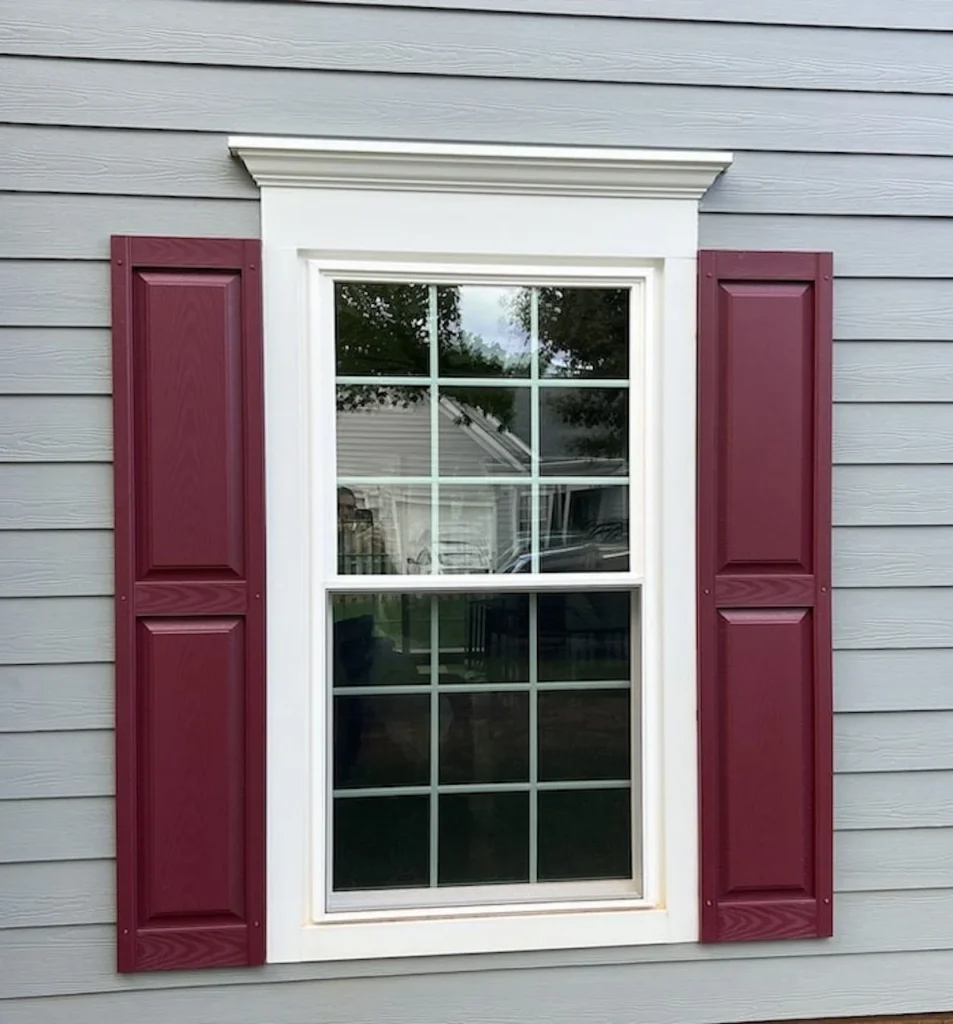
Window Styles That Work With Both Methods
Most common window styles are available for both insert and full frame installation, so you rarely have to give up the style you want.
Double-Hung and Single-Hung Windows
The most common style in Charlotte-area homes. Both sashes slide vertically on double-hung windows, which makes cleaning easy. They are straightforward to replace with either method.
Casement and Awning Windows
Hinged windows that crank open and seal tightly when closed. Converting from a double-hung to a casement usually works within the same opening. Read our casement window pros and cons.
Sliding and Picture Windows
Sliders open horizontally and suit wide openings. Picture windows do not open at all and offer the most glass, which makes full frame installation especially appealing when you want to maximize the view.
Bay and Bow Windows
These project outward and typically require full frame installation, since they change the shape of the opening. Compare them in our bay vs bow windows guide.
What to Expect on Installation Day
Knowing the steps ahead of time makes the day go smoother. Here is how each method typically unfolds.
Insert Window Replacement Steps
- Remove the old sashes, stops, balances and hardware.
- Inspect the existing frame and sill to confirm they are solid and square.
- Set the new insert window into the opening, then level, plumb and fasten it.
- Insulate and seal the gap between the new unit and the old frame.
- Install interior stops and exterior capping or trim, then clean up.
Full Frame Window Replacement Steps
- Remove interior casing, exterior trim and the entire old window.
- Inspect the rough opening and repair any rot or water damage.
- Install a sill pan or flashing and weather-resistive barrier tape.
- Set, level and fasten the new window, then insulate around it.
- Reinstall or replace trim inside and out, then seal, finish and clean up.
Our window installation process includes pre-install measuring, protecting your home with tarps, trim inspection, installation with flashing tape and foam insulation, cleanup, a final inspection and warranty registration. Most projects take one to two days. See the full process on our window replacement page.
Common Mistakes to Avoid With Replacement Windows
Whichever method you choose, these missteps can cost you comfort and money:
- Choosing inserts for failing frames: The new window can only be as tight as the frame around it.
- Skipping flashing and sealing: Most window leaks come from poor installation, not the window itself.
- Ignoring energy ratings: Pick ratings suited to a hot, humid climate, not just the lowest price.
- Replacing only the worst windows: Mixed old and new windows can leave drafts and mismatched looks.
- Overlooking warranty terms: Ask what covers the product and what covers the labor.
- Hiring an uncertified installer: Many manufacturers require trained installers to keep warranty coverage in force.
Questions to Ask Before Your Window Replacement
A good contractor should answer these clearly before you sign:
- Do you recommend full frame or insert replacement for my home, and why?
- How will you check my frames for rot or water damage?
- What flashing, insulation and sealing methods do you use?
- Is your firm EPA lead-safe certified if my home was built before 1978?
- What do the product and workmanship warranties cover, and for how long?
- How long will installation take, and how will you protect my home?
Clear, specific answers are a good sign. Vague ones are a reason to keep looking.
How to Tell Which Method a Window Quote Includes
Window quotes do not always spell out the installation method, and the terms vary by company. Insert installations may be listed as retrofit, pocket, insert or frame-in-frame. Full frame installations may be called full tear-out, new construction style or complete replacement. When comparing quotes, confirm which method each contractor plans for every window, whether trim replacement is included, and how unexpected rot repair will be priced. Two quotes can look far apart simply because one is for inserts and the other is for full frame work.
Can You Mix Insert and Full Frame Replacement?
Yes, and it is common. A home’s windows rarely age evenly. South- and west-facing windows take more sun, and windows near gutters or downspouts take more water. A practical plan uses inserts where frames are solid and full frame replacement where frames are damaged or where you want to change size or style. Using the same product line on both keeps the look consistent from the street.
Replacing Windows All at Once or in Stages
Some homeowners replace every window at once, while others start with the worst windows and finish later. Replacing all at once usually lowers the cost per window, gives the whole house a consistent look and delivers the full comfort and energy benefit right away. Working in stages spreads out the cost, which can help with budgeting. If you go in stages, start with the windows that have failing frames, leaks or drafts, and choose a product line you can match later. Financing can also make a whole-house project more manageable.
How Long Do Replacement Windows Last?
With quality products and proper installation, new windows can serve your home for decades. Lifespan depends on the frame material, how well the window was flashed and sealed, sun and weather exposure and basic upkeep. Warranty coverage is a good indicator of how a manufacturer expects its product to perform. Pella offers limited lifetime warranty coverage on many of its windows, and Soft-Lite’s lifetime warranty is non-prorated and fully transferable. Southern Home Services adds its own workmanship protection on installation. Review the details on our warranties page.
Caring for Your New Windows
A little routine care keeps new windows working and looking their best:
- Clean the glass and frames a few times a year with mild soap and water.
- Vacuum dirt out of tracks and sills so sashes slide and seal properly.
- Check exterior caulk and sealant once a year and touch up gaps.
- Keep weep holes at the bottom of the frame clear so water can drain.
- Open and close operating windows periodically to keep hardware moving freely.
For brand-specific tips, see our guide to cleaning your Pella windows.
When to Choose Insert vs Full Frame Window Replacement
Choose insert window replacement if:
- Your frames are solid, square and free of rot
- You are happy with the current size, shape and style of your windows
- You want a faster, lower-cost project with minimal disruption
- You want to keep existing interior trim or avoid disturbing brick
Choose full frame window replacement if:
- Frames are rotted, water damaged, warped or out of square
- You want to change window size, style or layout
- You are seeing drafts or leaks around the frame, not just the glass
- You are replacing siding or remodeling at the same time
- You want the most glass and the most complete weatherproofing
Many homes end up with a mix: inserts where frames are healthy and full frame where they are not. Comparing styles too? Read about casement window pros and cons or bay vs bow windows.
Get Expert Advice on Full Frame vs Insert Window Replacement in Charlotte
There is no single right answer for every house, but there is a right answer for yours, and it starts with an honest look at your frames. Southern Home Services has helped Charlotte-area homeowners with exterior projects since 2001. We install Pella windows and Soft-Lite windows in vinyl, fiberglass, wood and aluminum-clad options, backed by manufacturer warranties and our own workmanship protection. If you are weighing full frame vs insert window replacement, our team will inspect your windows, explain what we find and recommend the method that fits your home and budget. We serve Charlotte and the surrounding service areas. Contact us or call 704-531-2122 to schedule your free estimate.
FAQ: Full Frame vs Insert Window Replacement
What is the difference between full frame and insert window replacement?
Insert replacement installs a new window inside your existing frame and keeps your trim. Full frame replacement removes the entire window and frame down to the rough opening and installs a complete new unit.
Is insert window replacement cheaper than full frame?
Yes, in most cases. Inserts need less labor and no trim or opening repairs. Full frame costs more but fixes hidden damage and allows design changes.
Do insert windows reduce glass size?
Slightly. Because the new frame sits inside the old one, the visible glass is a bit smaller than the original window. Full frame replacement keeps the full opening.
Are pocket windows the same as insert windows?
Yes. Pocket, insert and retrofit replacement all describe installing a new window inside the existing frame.
Is full frame window replacement more energy efficient?
It can be, especially when the old frame is leaky or poorly insulated, because the installer seals and insulates the entire opening. With sound frames, a quality insert can also perform very well.
Can you put insert windows in rotted frames?
It is not recommended. An insert depends on the old frame for support and sealing, so rot should be repaired or the window replaced with a full frame unit.
How long does window replacement take?
Inserts are faster, and crews can often complete several windows in one day. Full frame jobs take longer per opening, especially when repairs or trim changes are needed.
Does full frame window replacement mean replacing my siding?
No. Full frame replacement removes the exterior trim around each window, and sometimes a small amount of siding right at the opening, but the rest of your siding stays in place. The area around the window is patched and finished once the new unit is installed. If you are already planning a siding project, though, doing both at once is efficient.
Related Topics
