
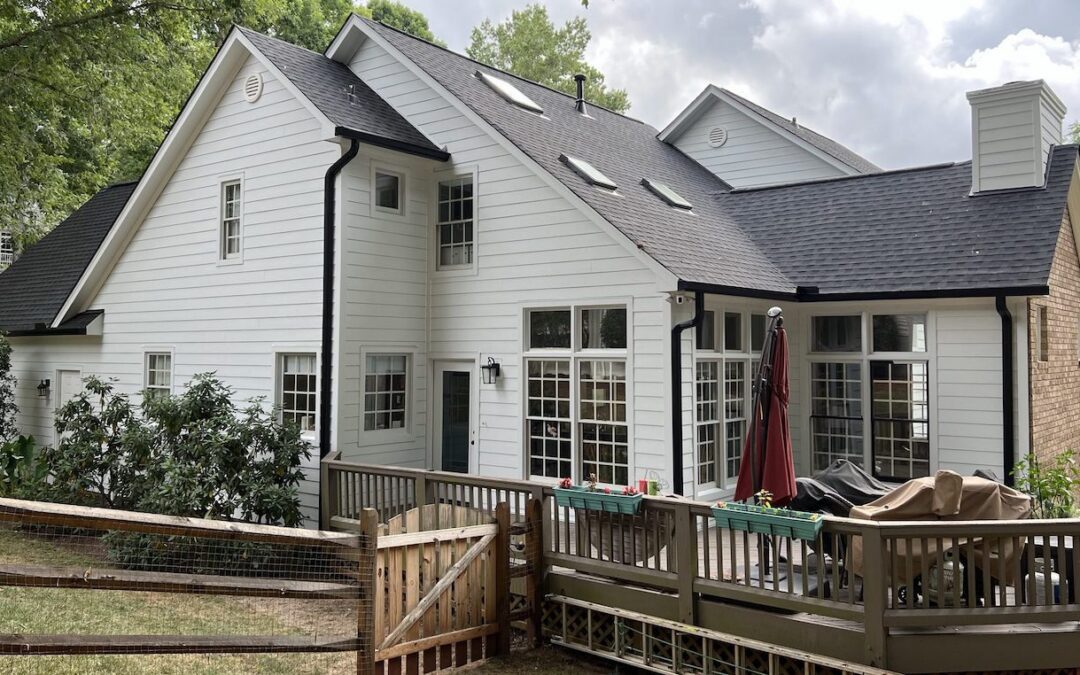
Hardie Plank vs Hardie Panel: Key Differences
Southern Home Services knows that choosing new siding is about more than picking a color. The style of siding you select has a major impact on your home’s appearance, maintenance needs, and overall curb appeal. Among the most popular fiber cement products available today are Hardie Plank and Hardie Panel. Both are manufactured from the same durable material, but they create very different looks and require different installation methods.
If you’re researching hardie plank vs hardie panel, understanding how each option performs and where it works best can make your decision much easier. While both offer outstanding durability and weather resistance, one may be a better fit depending on your home’s architectural style and your design goals.
This guide compares Hardie Plank and Hardie Panel in detail so you can confidently choose the right siding for your home.
What Is Hardie Plank?
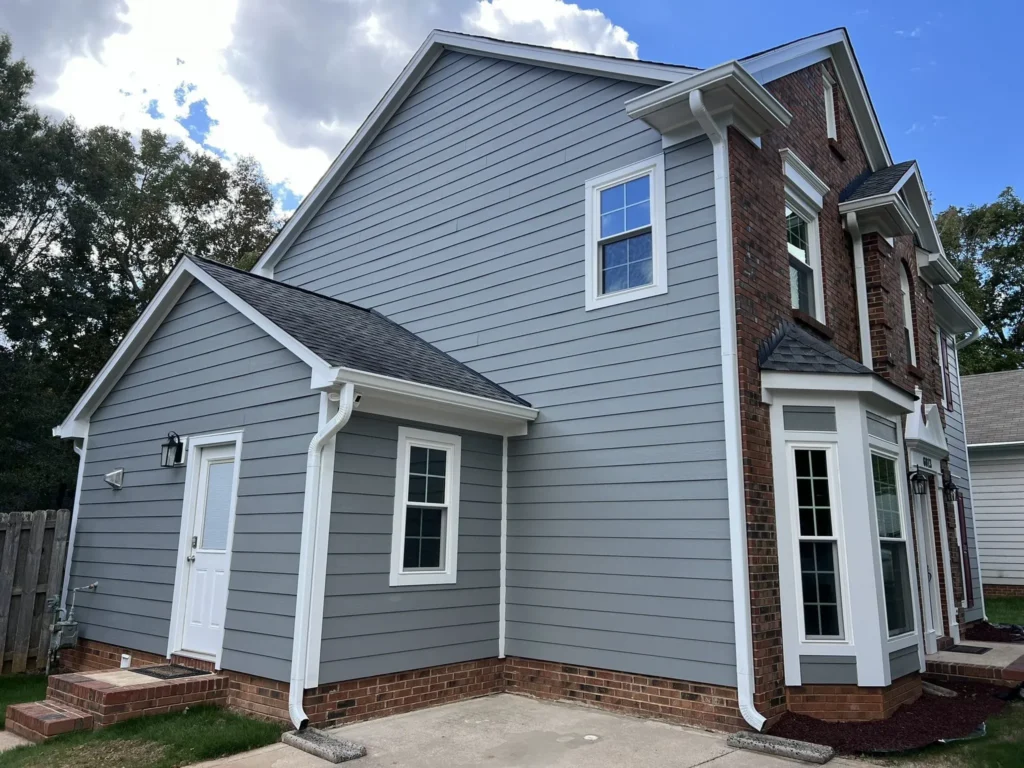
Hardie Plank is the traditional horizontal lap siding product made from fiber cement. It is designed to mimic the appearance of painted wood clapboard while offering significantly greater durability and lower maintenance.
Each individual board overlaps the one below it, creating the classic horizontal lines seen on many American homes. Because of its timeless appearance, Hardie Plank complements nearly every architectural style, from Colonial and Craftsman homes to farmhouses and contemporary designs.
Homeowners often choose Hardie Plank because it provides:
- Traditional curb appeal
- Realistic wood grain texture options
- Long-lasting color with factory finishes
- Excellent resistance to moisture, fire, pests, and harsh weather
- A versatile appearance that works with many home styles
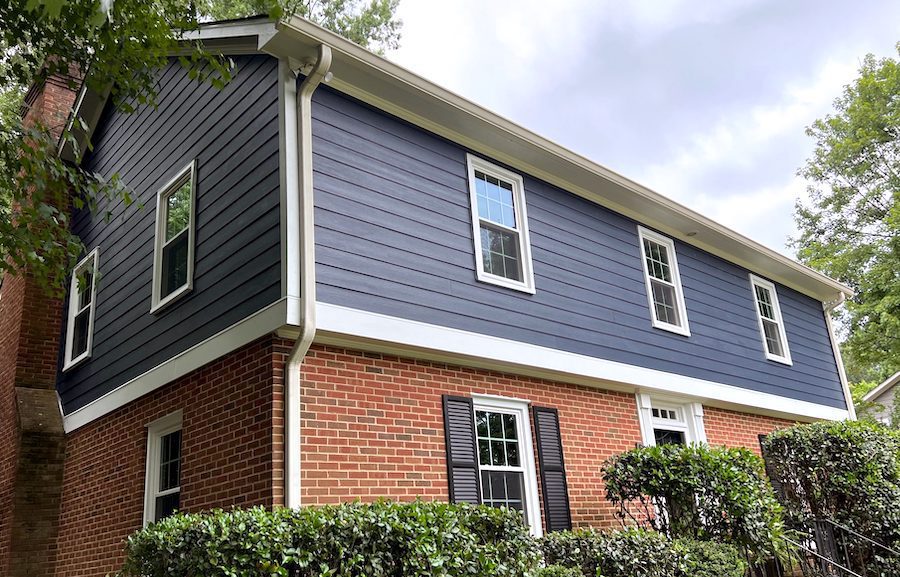
Hardie Plank remains one of the most popular siding products because it offers the familiar look of wood without many of wood’s maintenance challenges.
What Is Hardie Panel?
Hardie Panel is another fiber cement siding product, but instead of individual overlapping boards, it consists of large vertical panels. The panels can be installed with trim strips called battens to create a board and batten appearance or without battens for a sleek, modern look.
Rather than emphasizing horizontal lines, Hardie Panel creates strong vertical lines that can make a home appear taller and more contemporary.
Many homeowners choose Hardie Panel because it offers:
- Clean architectural lines
- Modern farmhouse styling
- Contemporary exterior designs
- Board and batten aesthetics
- Large uninterrupted siding surfaces
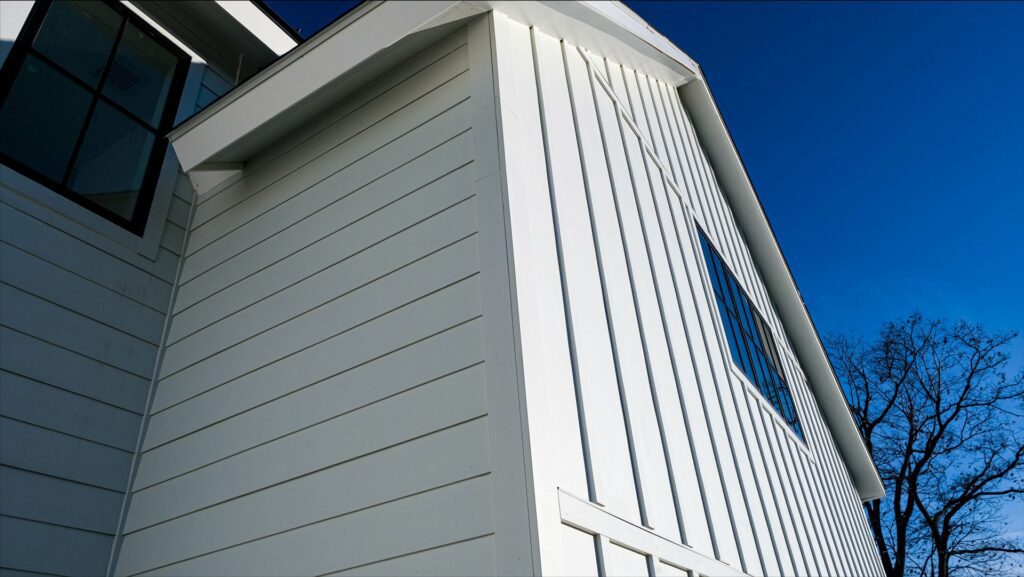
Although it uses the same durable fiber cement material as Hardie Plank, the finished appearance is dramatically different.
Hardie Plank vs Hardie Panel at a Glance
| Feature | Hardie Plank | Hardie Panel |
| Installation | Horizontal lap boards | Large vertical panels |
| Appearance | Traditional | Modern or farmhouse |
| Best For | Most architectural styles | Contemporary and board & batten homes |
| Visual Effect | Makes homes appear wider | Makes homes appear taller |
| Panel Size | Individual boards | Large sheets |
| Common Texture | Wood grain or smooth | Smooth, stucco, cedar texture, or other finishes |
Neither option is objectively better. The right choice depends on the style you’re trying to achieve.
Appearance Differences
When comparing hardie plank vs hardie panel, appearance is usually the deciding factor.
Hardie Plank Creates a Classic Look
Horizontal lap siding has been used on homes for generations. It offers a timeless appearance that rarely goes out of style.
Hardie Plank works especially well on:
- Colonial homes
- Cape Cod homes
- Craftsman homes
- Ranch homes
- Traditional suburban homes
Its overlapping boards create subtle shadow lines that add depth and character.
Hardie Panel Creates Bold Visual Impact
Hardie Panel offers a completely different aesthetic.
Instead of emphasizing width, vertical panels draw the eye upward, making the home feel taller and more dramatic.
This style is especially popular for:
- Modern farmhouses
- Contemporary homes
- Scandinavian-inspired architecture
- Minimalist designs
- Accent walls
Board and batten installations have become increasingly popular because they blend rustic charm with clean modern lines.
Installation Differences
Although both products are made from fiber cement, they are installed differently.
Hardie Plank Installation
Individual boards are installed one at a time.
Each course overlaps the next, requiring careful spacing and alignment to maintain consistent reveals across the home.
The process involves:
- Installing moisture barriers
- Measuring each course
- Maintaining even overlap
- Fastening every individual plank
- Installing trim around windows and doors
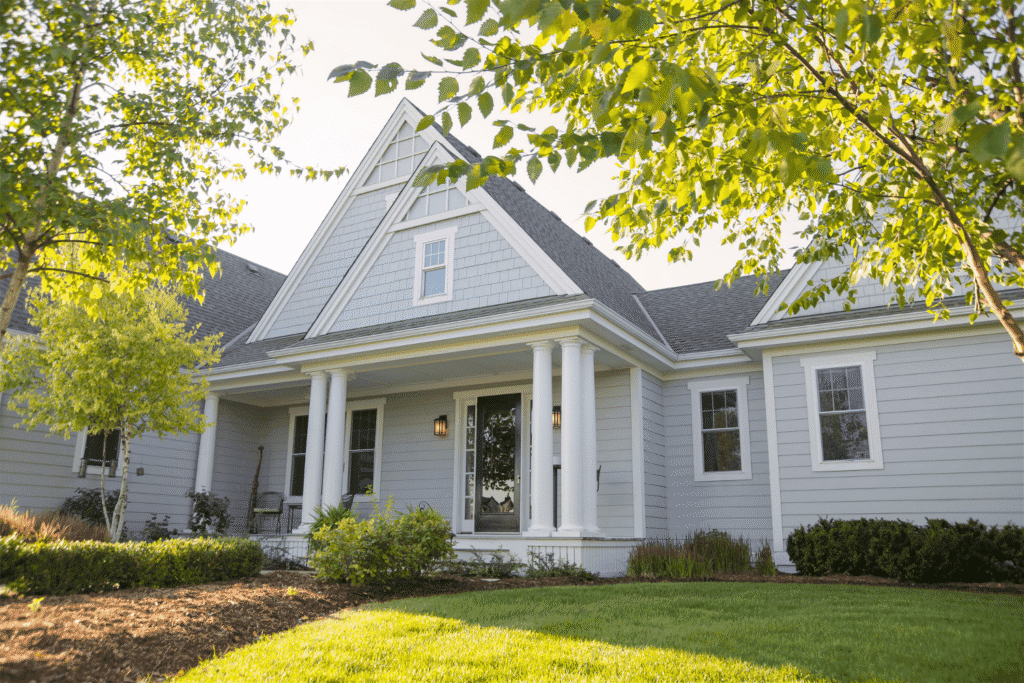
Because each board is separate, installers have flexibility around architectural details.
Hardie Panel Installation
Hardie Panel uses much larger sections.
Installers secure full-size panels directly to the home’s exterior before adding trim or battens if desired.
The installation generally includes:
- Positioning large panels
- Aligning seams
- Installing vertical trim
- Adding battens for board and batten styles
- Sealing joints
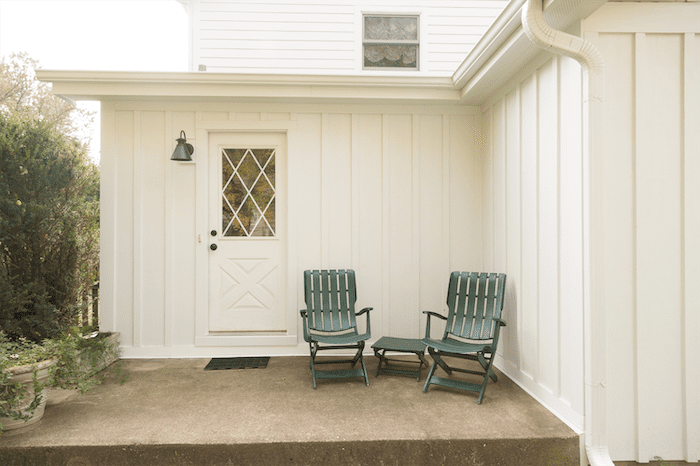
Large panels can speed installation on simple wall sections but require careful planning due to their size.
Architectural Styles Each Product Fits Best
Choosing siding that matches your home’s architecture creates a more cohesive exterior.
Hardie Plank pairs well with:
- Colonial
- Craftsman
- Cottage
- Ranch
- Victorian
- Traditional two-story homes
Hardie Panel pairs well with:
- Modern farmhouse
- Contemporary homes
- Industrial-inspired designs
- Scandinavian homes
- Minimalist architecture
- Transitional designs
Many homeowners also combine both products.
For example, they may install Hardie Plank across most of the home while using Hardie Panel on front-facing gables, dormers, or entryways to create visual interest.
Durability and Performance
One of the reasons James Hardie siding has become so popular is because both products offer exceptional durability.
Whether you choose Plank or Panel, you’ll receive fiber cement siding that is designed to resist many of the issues that affect traditional wood siding.
Benefits include:
- Resistance to moisture damage
- Resistance to rot
- Non-combustible material
- Resistance to many pests
- Excellent durability during changing weather conditions
- Long-lasting performance
Since both products are manufactured from the same material, there is virtually no difference in overall durability.
Maintenance Requirements
Homeowners often compare maintenance before making a final decision.
Fortunately, both Hardie Plank and Hardie Panel require relatively little maintenance compared to natural wood siding.
Recommended maintenance includes:
- Washing dirt from the siding periodically
- Inspecting caulk around trim
- Checking for damage after severe storms
- Repainting when needed depending on the finish
- Keeping landscaping trimmed away from the siding
Neither product requires regular staining like wood siding.
Design Flexibility
One advantage of James Hardie products is the wide range of available design options.
Hardie Plank offers:
- Multiple reveal sizes
- Smooth finishes
- Cedar mill textures
- Numerous factory colors
- Traditional horizontal layouts
Hardie Panel offers:
- Smooth finishes
- Stucco textures
- Cedar-inspired textures
- Board and batten styles
- Modern minimalist installations
Because the products can be mixed together, homeowners have almost unlimited design possibilities.
Many homes use horizontal lap siding on the main body while incorporating vertical panels in decorative areas for added contrast.
Cost Considerations
When homeowners compare hardie plank vs hardie panel, they often ask which one costs less.
The answer depends on several factors, including:
- Home size
- Design complexity
- Labor requirements
- Trim details
- Number of windows and corners
- Local installation costs
Material costs can be similar because both products are fiber cement. However, labor costs may vary depending on the installation style and architectural details involved.
Rather than focusing only on upfront pricing, homeowners should consider the long-term value of durable, low-maintenance siding that enhances curb appeal.
Can You Mix Hardie Plank and Hardie Panel?
Absolutely.
Many of today’s most attractive homes combine both siding styles to create visual contrast.
Popular combinations include:
- Horizontal Plank on the main walls with vertical Panel in the gables
- Plank siding with board and batten accents
- Panel entryways with horizontal siding throughout the rest of the home
- Modern designs featuring multiple siding textures
Mixing products allows homeowners to create a custom exterior without committing to only one style.
In many cases, this blended approach provides the best balance of traditional charm and modern character.
Which Option Is Right for Your Home?
The best choice depends on your home’s architecture and your personal style preferences.
Choose Hardie Plank if you:
- Prefer traditional curb appeal
- Want classic horizontal siding
- Own a Colonial, Craftsman, Ranch, or Cottage home
- Like the appearance of wood clapboard
Choose Hardie Panel if you:
- Love modern farmhouse design
- Want bold vertical lines
- Prefer board and batten styling
- Are designing a contemporary exterior
If you cannot decide, consider using both products together for a custom exterior that highlights your home’s best architectural features.
Beyond Siding: Creating a Complete Exterior
New siding often inspires homeowners to update other parts of their home’s exterior as well. Southern Home Services can help create a cohesive look by pairing new siding with complementary improvements like roofing, replacement windows, exterior and interior painting, or even solar panel installations, allowing your entire exterior to work together for both beauty and performance.
Make the Right Choice with Southern Home Services
When comparing hardie plank vs hardie panel, there is no universal winner. Both products provide the durability, weather resistance, and long-lasting performance that fiber cement siding is known for. The biggest difference comes down to appearance and how each style complements your home’s architecture.
Hardie Plank delivers timeless horizontal lines that work beautifully on traditional homes, while Hardie Panel creates bold vertical designs that fit modern farmhouse and contemporary styles. Many homeowners even combine both products to achieve a unique, custom exterior.
If you’re ready to transform your home’s curb appeal, Southern Home Services can help you evaluate your options, choose the right James Hardie siding style, and ensure professional installation that will look beautiful for years to come. Contact Southern Home Services online or call 704-531-2122 today to schedule your consultation and take the next step toward a durable, stunning new exterior.
Frequently Asked Questions
1. What is the main difference between Hardie Plank and Hardie Panel?
Hardie Plank consists of horizontal lap boards, while Hardie Panel uses large vertical panels. Both are made from fiber cement but create very different exterior styles.
2. Is Hardie Panel only used for modern homes?
No. While it is popular on modern and farmhouse homes, Hardie Panel can also be used as an accent on traditional homes, especially in gables or entryways.
3. Can Hardie Plank and Hardie Panel be installed together?
Yes. Many homeowners combine both products to add architectural interest and create a customized exterior design.
4. Which lasts longer, Hardie Plank or Hardie Panel?
Both products are manufactured from the same fiber cement material and offer comparable durability and longevity when professionally installed and properly maintained.
5. Which siding style adds more curb appeal?
Both can improve curb appeal. Hardie Plank appeals to homeowners seeking a traditional look, while Hardie Panel creates a more modern, bold appearance. The best choice depends on your home’s architectural style and your personal preferences.
