
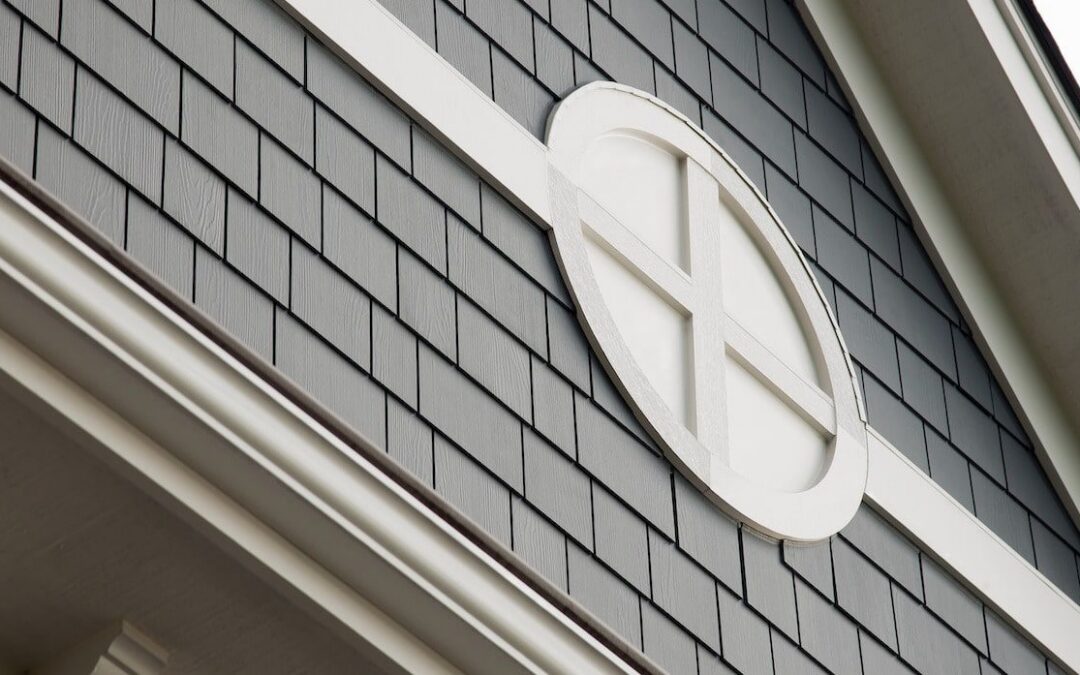
At Southern Home Services, we know that replacing your siding is about much more than protecting your home. It is one of the biggest opportunities to improve curb appeal, express your personal style, and even increase your home’s value. With so many siding styles available today, homeowners in the greater Charlotte area have more design flexibility than ever before.
Whether you prefer a timeless traditional appearance, a rustic farmhouse aesthetic, or a sleek modern exterior, the right siding style can completely transform your home’s appearance. Understanding the differences between each option helps you choose a design that fits both your taste and your home’s architecture.
In this guide, we’ll explain the most popular siding styles, discuss where each style works best, and share tips for mixing different profiles to create a truly custom exterior.
Why Your Siding Style Matters
Many homeowners focus on selecting a siding material first, but the style or profile is just as important. Two homes with the exact same siding material can look completely different simply because of the way the panels are installed.
The style you choose affects:
- Overall curb appeal
- Architectural character
- Visual height and width of the home
- Modern or traditional appearance
- Accent opportunities
- Resale value
The right siding style should complement your home’s architecture rather than compete with it.
Horizontal Siding: America’s Classic Favorite
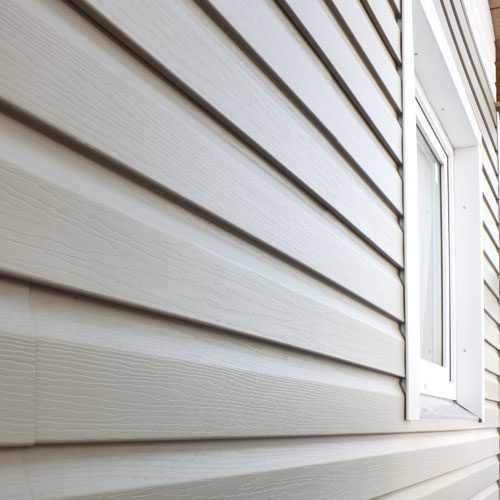 Horizontal siding is easily the most recognizable siding style across the United States. Long boards are installed side by side across the home, creating clean horizontal lines that have remained popular for generations.
This style works well with nearly every home, including:
- Colonial homes
- Ranch homes
- Cape Cod homes
- Craftsman homes
- Traditional suburban homes
Horizontal siding creates a balanced appearance that never goes out of style. Because of its versatility, it is available in virtually every siding material, including vinyl, fiber cement, engineered wood, and composite products.
Another advantage is that homeowners can choose from several horizontal profiles, including traditional lap siding, Dutch lap, and beveled designs.
If you’re looking for a timeless exterior that appeals to future buyers while remaining easy to coordinate with trim and roofing, horizontal siding is difficult to beat.
Vertical Siding Creates Height and Modern Appeal
Vertical siding has become increasingly popular as modern farmhouse and contemporary home designs continue gaining popularity.
Instead of running across the home, vertical panels extend from the foundation toward the roofline. This naturally draws the eye upward, making homes appear taller.
Vertical siding is commonly found on:
- Modern farmhouses
- Contemporary homes
- Barn-inspired architecture
- Coastal homes
- Accent walls and entryways
One of the most recognizable vertical profiles is board and batten siding. Wide boards are installed with narrow battens covering the seams, creating bold shadow lines and excellent visual texture.
Many homeowners also combine vertical siding with horizontal siding to create contrast without overwhelming the home’s appearance.
Board and Batten Brings Farmhouse Charm
Although technically a type of vertical siding, board and batten deserves its own discussion because of its popularity.
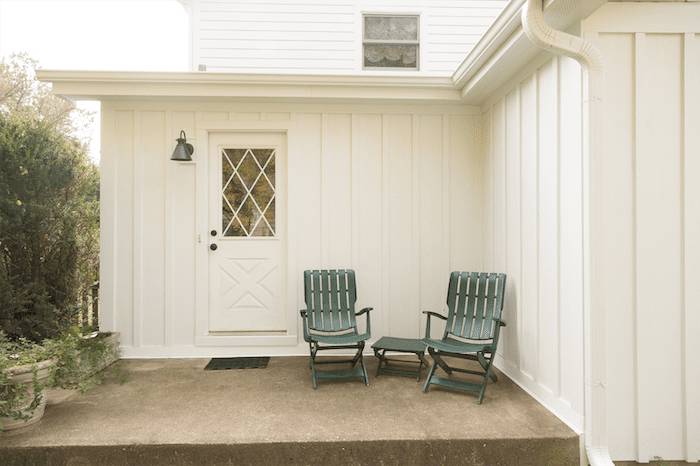
Originally used on barns and agricultural buildings, board and batten has become one of today’s most requested residential siding styles.
Its distinctive appearance comes from alternating wide boards with narrow strips covering each seam.
Benefits include:
- Strong architectural character
- Excellent visual texture
- Clean vertical lines
- Works with both traditional and modern homes
- Pairs beautifully with stone and brick accents
Board and batten is especially popular for homeowners looking to create a welcoming farmhouse aesthetic without sacrificing modern curb appeal.
Even homes with traditional architecture can benefit from board and batten when used selectively on dormers, gables, or front-facing sections.
Shingle and Shake Siding Adds Character
For homeowners who appreciate texture and craftsmanship, shingle and shake siding creates an eye-catching exterior unlike traditional lap siding.
While the two are often grouped together, there are subtle differences.
Shingles feature smooth, uniform edges that create a refined appearance.
Shakes have a more rugged, textured look that mimics hand-split wood.
Both styles are commonly used on:
- Gables
- Dormers
- Accent walls
- Coastal homes
- Cottage-style homes
- Craftsman architecture
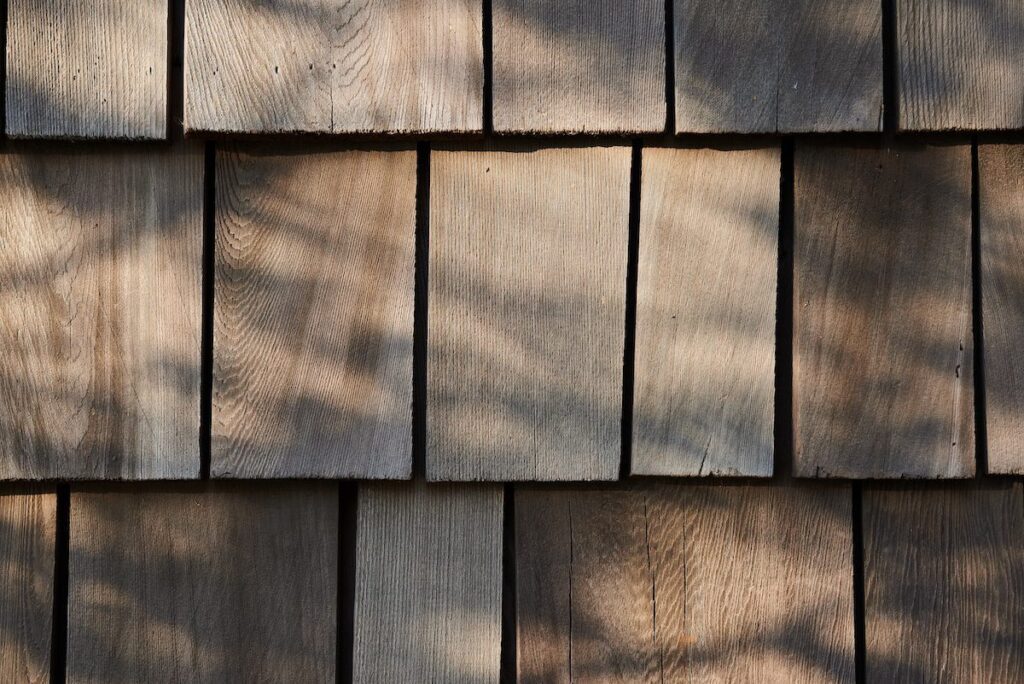
Today’s manufactured siding products replicate the appearance of cedar shakes while requiring significantly less maintenance than natural wood.
Instead of covering an entire house, many homeowners use shake siding as an accent above windows or roof peaks to add visual interest.
Dutch Lap Siding Adds Extra Dimension
Dutch lap siding is a variation of traditional horizontal siding that features a decorative notch along the upper edge of each panel.
This profile creates deeper shadow lines than standard lap siding, making the exterior appear richer and more textured.
Dutch lap works especially well for homeowners who want something classic but with a little more character.
Advantages include:
- Greater visual depth
- Enhanced curb appeal
- Traditional appearance
- Excellent compatibility with many architectural styles
- Wide availability across multiple siding materials
It offers an easy way to elevate a familiar siding style without making the home look overly modern or trendy.
Beaded Siding Offers Traditional Elegance
Beaded siding features a rounded decorative bead along the lower edge of each panel.
This subtle detail creates refined shadow lines and has long been associated with historic Southern homes.
Beaded siding complements:
- Colonial homes
- Victorian homes
- Historic renovations
- Coastal architecture
Although the profile is understated, it gives homes a finished, upscale appearance that many homeowners appreciate.
It works especially well when paired with detailed trim and classic color palettes.
Channel Rustic Siding Creates Natural Warmth
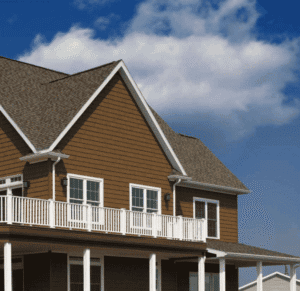 Channel rustic siding is another vertical profile known for its textured appearance and strong visual lines.
Originally associated with cabins and rustic homes, today’s versions have expanded into mountain homes, modern retreats, and custom residential construction.
Its deep grooves create bold shadows while emphasizing natural textures.
This siding style pairs beautifully with:
- Stone veneers
- Heavy timber accents
- Natural landscaping
- Earth-tone color palettes
Homeowners looking for a warm, handcrafted appearance often appreciate channel rustic siding.
Mixing Siding Styles Creates a Custom Exterior
One of today’s biggest exterior design trends is combining multiple siding styles on a single home.
Instead of covering the entire exterior with one profile, designers strategically mix styles to create contrast and highlight architectural features.
Popular combinations include:
- Horizontal siding with board and batten gables
- Lap siding with shake accents
- Vertical siding paired with stone veneer
- Horizontal siding with decorative shingles above entryways
- Board and batten with brick or natural stone
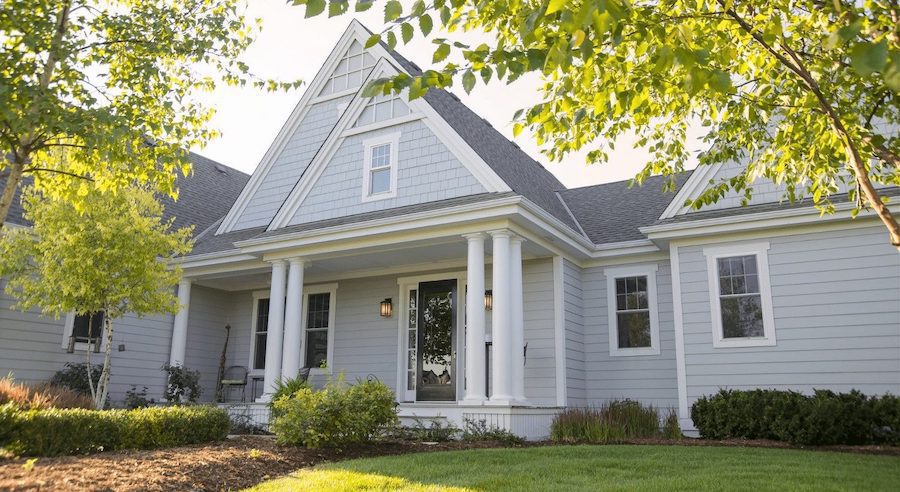
Mixing styles helps break up large wall sections while giving the home a more custom-built appearance.
The key is maintaining consistency through color selection and complementary textures.
When done correctly, combining siding styles creates visual interest without making the exterior appear busy.
How to Choose the Right Siding Style
Selecting the right siding style involves more than simply choosing your favorite appearance.
Consider several important factors before making a final decision.
Your Home’s Architecture
The siding should enhance your home’s original design rather than clash with it. Traditional homes often look best with horizontal or Dutch lap siding, while modern homes may benefit from vertical profiles.
Neighborhood Aesthetic
While your home should reflect your style, it should also fit comfortably within the surrounding neighborhood.
Maintenance Preferences
Some profiles collect dirt or debris more easily than others depending on installation orientation. Understanding maintenance expectations can help narrow your options.
Accent Opportunities
Think about where decorative styles such as shakes or board and batten can create focal points without overwhelming the overall design.
Color Selection
The same siding style can look dramatically different depending on the color. Lighter shades create a classic appearance, while darker colors often emphasize modern architecture.
Taking all of these elements into consideration helps create a finished exterior that feels balanced and cohesive.
Your Siding Style Should Work With Your Entire Exterior
Your siding doesn’t exist in isolation. It should coordinate with your roof, windows, trim, doors, and landscaping to create a cohesive exterior.
Many homeowners find that updating multiple exterior features at the same time creates the most dramatic transformation. In addition to expert siding installation, Southern Home Services also helps homeowners enhance their homes with roofing, replacement windows, professional interior and exterior painting, and solar panel solutions, making it easier to create a unified exterior design.
Thinking about the entire exterior instead of just the siding often leads to a more polished final result.
Find the Perfect Siding Style With Southern Home Services
With so many beautiful siding styles available, choosing the right one can feel overwhelming. Fortunately, you don’t have to make the decision alone.
At Southern Home Services, we help homeowners compare different siding styles, materials, colors, and design combinations to find the perfect fit for their home. Whether you’re drawn to the timeless appeal of horizontal lap siding, the bold look of board and batten, or the rich texture of shake accents, our experienced team can help bring your vision to life.
If you’re ready to transform your home’s exterior with new siding, contact Southern Home Services online or call 704-531-2122 today to schedule your consultation. We’ll help you choose a siding style that enhances your home’s beauty, protects it for years to come, and gives you curb appeal you’ll enjoy every time you pull into the driveway.
FAQ: Siding Styles
1. What is the most popular siding style?
Horizontal lap siding remains the most popular siding style because it complements nearly every architectural design and offers a timeless appearance.
2. Can I combine different siding styles on one house?
Yes. Many homeowners combine horizontal siding with board and batten or shake accents to create a more customized, visually interesting exterior.
3. Which siding style is best for modern homes?
Vertical siding, especially board and batten, is a popular choice for modern and modern farmhouse homes thanks to its clean lines and contemporary appearance.
4. Is shake siding only for coastal homes?
No. While shake siding is common on coastal homes, it is also widely used on Craftsman, cottage, and traditional homes as an accent feature.
5. How do I know which siding style is right for my home?
The best siding style depends on your home’s architecture, your design preferences, your maintenance expectations, and how you want your home’s exterior to look overall. A professional siding consultation can help you narrow down the best options.
