
If you are shopping for replacement windows, the debate over single hung vs double hung windows comes up fast. The two styles look almost identical from the street, yet they open, clean, ventilate and price out differently. Picking the wrong one can mean a window you struggle to clean from a second-floor bedroom or paying for a feature you never use.
Southern Home Services has helped Charlotte homeowners choose and install replacement windows since 2001, and this guide breaks down everything you need to make a confident decision. Ready to talk through your options with a pro? Schedule a free in-home window consultation.
What Is the Difference Between Single Hung vs Double Hung Windows?
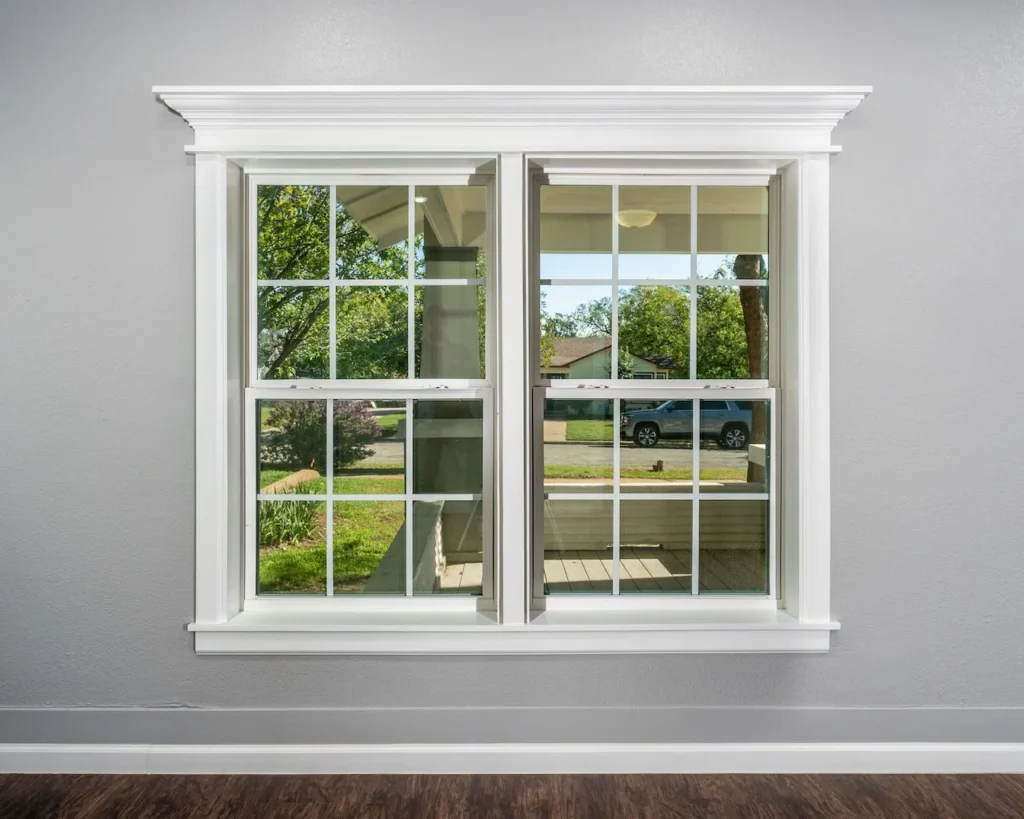
Both styles are “hung” windows, meaning they have two panels of glass, called sashes, stacked vertically inside one frame. The sashes slide up and down within tracks in the frame. The core difference comes down to how many of those sashes move.
How a Single Hung Window Works
On a single hung window, only the bottom sash moves. You lift it up to open the window, and the top sash stays fixed in place. Because only one sash operates, there is only one set of balances, one set of moving weatherstripping and fewer parts to wear out over time. Some single hung models let the bottom sash tilt in for cleaning, but the fixed top sash never does.
How a Double Hung Window Works
On a double hung window, both sashes move. You can raise the bottom sash, lower the top sash, or open both at once. Most modern double hung windows also let both sashes tilt inward, so you can clean the outside of the glass while standing inside your home. That flexibility is the main reason double hung windows remain one of the most popular window styles in American homes.
Can You Tell Them Apart From the Curb?
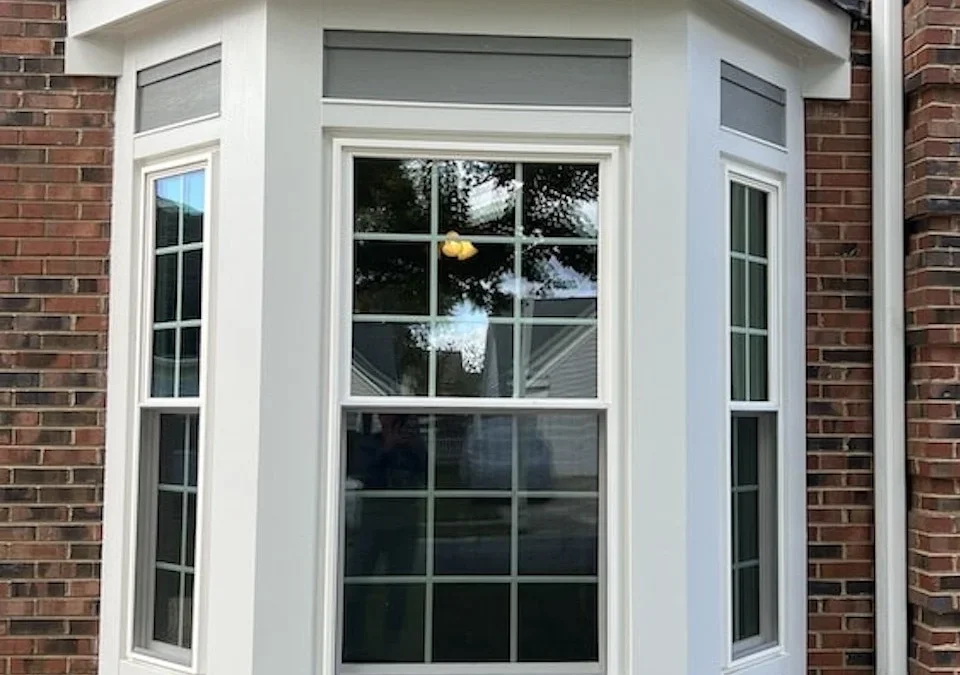
Usually not. When both windows are closed, they share the same proportions, the same meeting rail across the middle and the same grid options. That is good news if you want to mix styles around your home. You can use double hung windows where they make sense and single hung windows elsewhere without creating a mismatched look from the street.
Single Hung vs Double Hung Windows at a Glance
| Feature | Single Hung | Double Hung |
|---|---|---|
| Operating sashes | Bottom only | Top and bottom |
| Upfront cost | Generally lower | Generally higher |
| Cleaning exterior glass from inside | Bottom sash only (if it tilts) | Both sashes tilt in |
| Ventilation options | Bottom opening only | Top, bottom or both |
| Moving parts | Fewer | More |
| Air leakage potential | Slightly lower | Slightly higher |
| Best fit | Ground floor, budget projects, rooms with easy exterior access | Upper floors, bedrooms, kids’ rooms, rooms that need airflow control |
Pros and Cons of Single Hung Windows
Single hung windows are common in new construction and builder-grade homes because they keep costs down without changing the look of the house. Here is how they stack up.
Pros
- Lower price per window: Fewer operating parts and hardware usually mean a lower upfront cost, which adds up on a whole-house project.
- Fewer parts to fail: With only one moving sash, there is less to adjust, lubricate or replace over the life of the window.
- Tighter fixed top sash: The upper sash does not move, so it has fewer potential air leakage points at the top of the frame.
- Simple operation: One sash, one direction. There is nothing to figure out.
Cons
- Harder to clean: The outside of the top sash cannot be reached from inside. On a second story, that often means a ladder or a professional cleaner.
- Limited airflow control: You can only open the bottom half of the window.
- Less flexible for safety: You cannot open the window up high and keep the lower opening closed, which matters in homes with small children or pets.
Pros and Cons of Double Hung Windows
Double hung windows cost more, but many homeowners find the added convenience worth it, especially on upper floors.
Pros
- Easy cleaning: Both sashes tilt in, so you can wash every pane from inside. No ladders and no balancing on the roof.
- Better ventilation: Open the top, the bottom or both to control how air moves through the room.
- Safer opening options: Lowering the top sash lets fresh air in while keeping the opening out of reach of kids and pets.
- Traditional look: Double hung windows suit colonial, craftsman, farmhouse and other classic architectural styles found throughout the Charlotte area.
Cons
- Higher upfront cost: The second operating sash adds hardware and labor in the factory.
- More moving parts: Two sets of balances and seals means more components that need occasional attention.
- Slightly more air leakage potential: Two moving sashes create more seams where air can sneak through, especially as weatherstripping ages.
Energy Efficiency: Single Hung vs Double Hung Windows
In practice, the gap between a quality single hung and a quality double hung window is small. Air leakage also rises over time as seals and weatherstripping wear, so build quality matters as much as the style you choose.
What Matters More Than Sash Count
Upgrading from old, poorly performing windows will usually do far more for your energy bills than choosing one hung style over the other. According to ENERGY STAR, replacing old windows with certified models can lower household energy bills by an average of up to 13 percent nationwide. To get the most out of either style, focus on:
- Glass package: Double or triple pane glass, low-E coatings and gas fills have a bigger impact on comfort than the number of moving sashes.
- Frame material: Vinyl windows offer strong value and low maintenance, while fiberglass windows resist expansion and contraction in heat.
- NFRC ratings: Compare U-factor, solar heat gain coefficient and air leakage on the label of each window you are considering.
- Installation: A well-built window installed poorly will still leak. Proper flashing, insulation and sealing around the frame are critical.
For a deeper look at ratings and glass options, read our guide to energy-efficient windows.
Cost of Single Hung vs Double Hung Windows
Single hung windows typically cost less than double hung windows of the same size, brand and material. The savings come from fewer operating parts and simpler hardware. On a single window, the difference may feel small. Across a 15 or 20 window home, it can add up.
That said, the hung style is only one piece of your total price. Other factors include:
- Window size and whether you need standard or custom dimensions
- Frame material, such as vinyl, fiberglass, wood or aluminum-clad
- Glass package and energy features
- Grids, hardware finishes and interior colors
- The condition of your existing frames and the installation method
- The number of windows in the project
Window replacement can also return a solid share of its cost when you sell. The 2025 Cost vs. Value Report found that a midrange vinyl window replacement project averaged $22,073 nationally and recouped about 75.5 percent of its cost at resale. If budget is a concern, Southern Home Services offers window financing options to help spread out the cost.
Cleaning and Maintenance
For many homeowners, cleaning is the deciding factor in the single hung vs double hung windows debate. With a double hung window, you tilt both sashes in and wash every surface from inside. With a single hung window, the outside of the top sash has to be cleaned from outside.
On the first floor, that might just mean a hose and a squeegee. On the second floor, it means a tall ladder or hiring a window cleaner every season. If you have a two-story home, that ongoing cost and hassle can outweigh the upfront savings of single hung windows.
Maintenance is fairly simple for both styles:
- Vacuum dirt and debris from the tracks a few times a year.
- Check weatherstripping for cracks, gaps or compression.
- Make sure locks engage fully so the sashes seal tightly.
- Follow your manufacturer’s care instructions to protect your warranty.
If you have Pella windows, see our post on the benefits of cleaning your Pella windows for brand-specific tips.
Ventilation and Airflow
Double hung windows give you more ways to move air through your home. Warm air rises, so opening the top sash lets heat escape near the ceiling while opening the bottom sash draws cooler air in low. Opening both at once sets up a natural circulation pattern that can freshen a stuffy room quickly.
Single hung windows only open at the bottom. They still provide fresh air, but you lose the ability to vent from the top or fine-tune the flow. In rooms where airflow matters most, like kitchens, bedrooms and bonus rooms over the garage, double hung windows give you more control.
Safety: Kids, Pets and Security
Window falls are a real risk for young children. A study from Nationwide Children’s Hospital found that about 14 children are treated in U.S. emergency departments for window fall injuries every day, and the researchers stressed that insect screens will not stop a child from falling.
Double hung windows give families an easy layer of protection. You can lower the top sash for fresh air and leave the bottom sash closed and locked, keeping the opening above a child’s reach. Pets get the same benefit. The U.S. Consumer Product Safety Commission also recommends window stops that limit openings to 4 inches and keeping furniture away from windows. Many hung windows can be fitted with opening control devices for either style.
For security, both styles lock at the meeting rail where the two sashes come together. Look for sturdy cam locks, and ask about secondary locks or sash limiters if you want extra peace of mind.
Which Rooms Suit Single Hung vs Double Hung Windows?
You do not have to choose one style for the entire house. Many homeowners mix and match based on how each room is used.
- Second-floor bedrooms: Double hung. Easy cleaning and the top-opening safety feature are hard to beat upstairs.
- Nurseries and kids’ rooms: Double hung, paired with window opening control devices.
- Kitchens: Double hung if the window is above a sink or counter where you want top ventilation. A single hung can work if the window is easy to reach from outside.
- Ground-floor living areas: Either style works. Single hung saves money where exterior cleaning is simple.
- Basements, garages and utility rooms: Single hung is often the practical, budget-friendly pick.
- Bathrooms: Double hung lets steam escape from the top while keeping the lower sash closed for privacy.
Charlotte Factors to Consider
Local conditions should shape your choice too. Charlotte summers are long, hot and humid, so your windows need to block solar heat and seal tightly when the air conditioning is running. In spring and fall, many homeowners prefer to open their windows, and double hung windows let you vent warm air from the top of the room on mild evenings.
Spring pollen season is another consideration. Yellow pollen settles on glass and screens, and double hung windows make it easier to keep both sashes clean without climbing outside. Finally, many homes across the Charlotte area are two stories, which makes the cleaning advantage of double hung windows even more valuable.
When Another Window Style Makes More Sense
Single and double hung windows are versatile, but they are not right for every opening. Consider other styles when:
- Energy efficiency is the top priority: Hinged styles seal tighter. Read our breakdown of casement window pros and cons.
- The window is hard to reach: Over a sink or deep counter, a crank-operated casement is easier to open than lifting a hung sash.
- You want a focal point: Bay and bow windows add space and light. Compare them in our guide to bay vs bow windows.
- The opening is wider than it is tall: Sliding windows often fit horizontal openings better than hung windows.
Questions to Ask Before Choosing
Before you decide between single hung vs double hung windows, walk through these questions with your family and your window consultant:
- Which windows are on the second floor or otherwise hard to reach from outside?
- Do you have young children or pets who spend time near windows?
- How often do you open your windows, and in which rooms?
- What is your total budget, and how many windows are in the project?
- Do the single hung and double hung options you are comparing have the same glass package and frame material?
- What warranty coverage applies to the sashes, hardware and installation labor?
Comparing quotes apples to apples matters. A low-priced double hung window with a basic glass package may perform worse than a well-built single hung with upgraded glass. Our window product guides can help you compare features before your consultation.
What to Expect When Southern Home Services Replaces Your Windows
Whichever style you choose, the installation process is what protects your investment. When you work with Southern Home Services, here is what happens:
- Free consultation: Meet with us in your home or visit our showroom to review styles, materials and pricing.
- Precise measurements: We confirm every measurement before your windows go into production. Curious how it works? See our guide on how to measure windows for replacement.
- Dedicated project manager: One point of contact oversees your project from start to finish.
- Careful installation: We protect your home and landscaping, inspect trim, and install flashing and foam for a weathertight seal.
- Cleanup and final inspection: We haul away debris, walk the job with you and register your warranty.
Most projects are completed in one to two days, depending on the number of windows and the complexity of the job. Learn more about our window replacement services in Charlotte, including the Pella windows and Soft-Lite windows we install.
Choosing Between Single Hung vs Double Hung Windows
There is no single winner in the single hung vs double hung windows comparison. Single hung windows make sense for budget-conscious projects, ground-floor rooms and spaces where exterior cleaning is easy. Double hung windows earn their higher price on upper floors, in kids’ rooms and anywhere you want flexible airflow and easy cleaning. Many Charlotte homeowners get the best of both by mixing styles room by room.
The Southern Home Services team can walk through your home, look at every opening and recommend the right style for each room and your budget. Contact Southern Home Services today or call 704-531-2122 to schedule your free window consultation.
Single Hung vs Double Hung Windows FAQ
Are double hung windows worth the extra cost?
For most upper-floor rooms, yes. The ability to tilt both sashes in for cleaning and open the top sash for safe ventilation provides value every year you own the home. On ground-floor windows that are easy to reach from outside, single hung windows can be a smart way to save.
Are single hung windows more energy efficient than double hung windows?
Slightly, in most cases. Because the top sash is fixed, single hung windows have fewer air leakage points. However, the glass package, frame material and quality of installation have a much bigger effect on your energy bills than the hung style.
How can I tell if I have single hung or double hung windows?
Unlock the window and try to lower the top sash. If it slides down, you have double hung windows. If it does not move, you most likely have single hung windows. You can also look for tilt latches on the top of the upper sash, which only appear on double hung models.
Can I mix single hung and double hung windows in my home?
Yes. Because the two styles look nearly identical when closed, you can use double hung windows upstairs and single hung windows downstairs without affecting your home’s curb appeal.
Do single hung windows tilt in for cleaning?
Some do. Many single hung models allow the bottom sash to tilt in, but the top sash is fixed and must be cleaned from outside.
Are double hung windows safer for children?
They give you a safer way to ventilate. Lowering only the top sash keeps the opening above a young child’s reach. For full protection, pair any window with opening control devices or window guards, and never rely on screens to prevent falls.
How long do single hung and double hung windows last?
Quality vinyl, fiberglass and clad windows of either style commonly last 20 years or more with proper installation and care. Single hung windows have fewer moving parts, but both styles last longer when tracks are kept clean and weatherstripping is maintained.
Related Topics
